
Love in Technicolor
Love in Technicolor
Allendale United Methodist Church
May 29, 2026
Allendale United Methodist Church
May 29, 2026
Ain't No Mountain High Enough
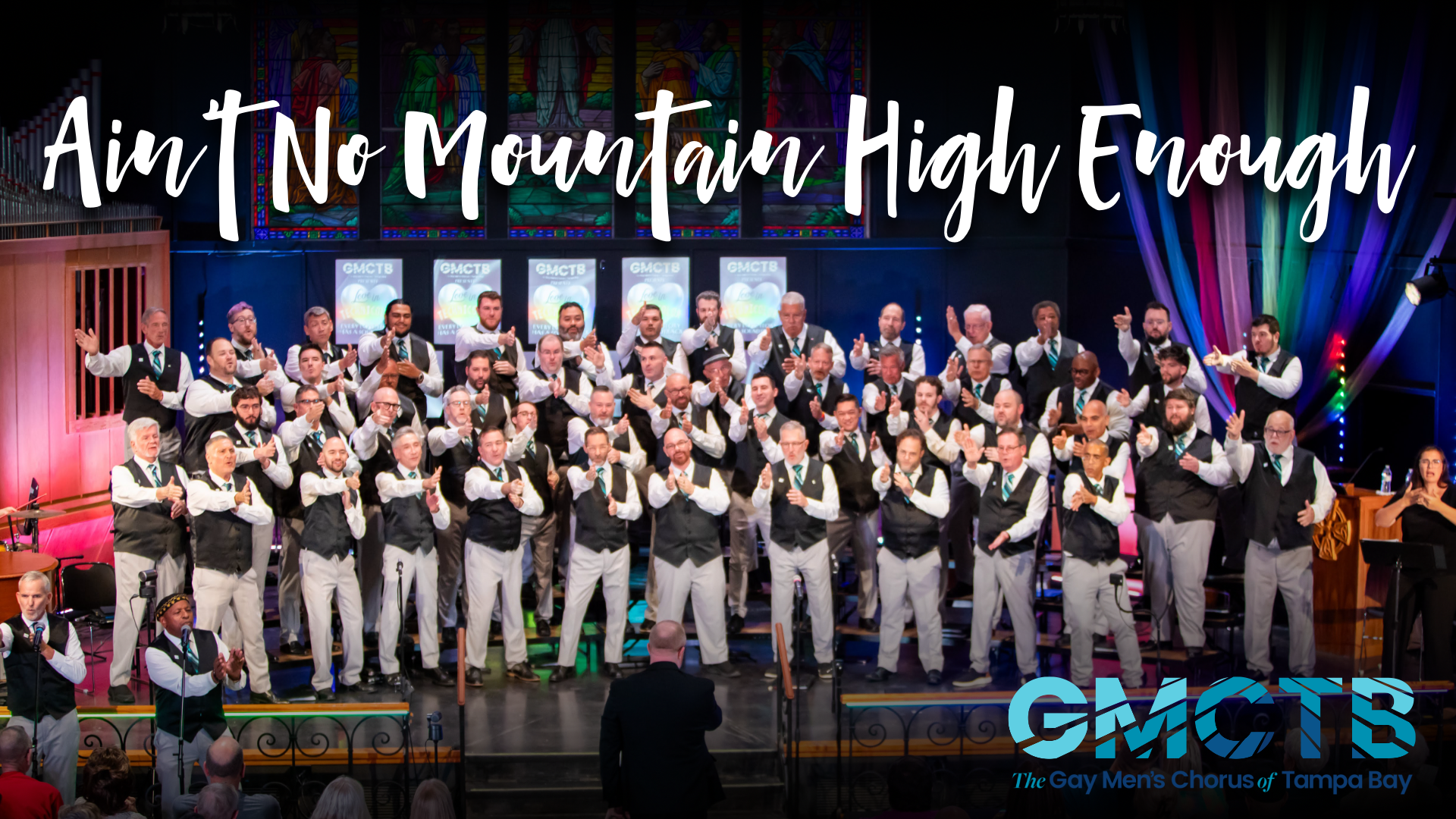
Fields and Webster-English handled their exchanges with warmth and easy showmanship, one voice gritty and grounded, the other soaring into the upper register on the title hook. Around them the chorus delivered crisp diction and tight rhythmic blend, the basses anchoring the backbeat while the upper voices snapped the offbeat "ooh" responses cleanly into place.
I Want It That Way
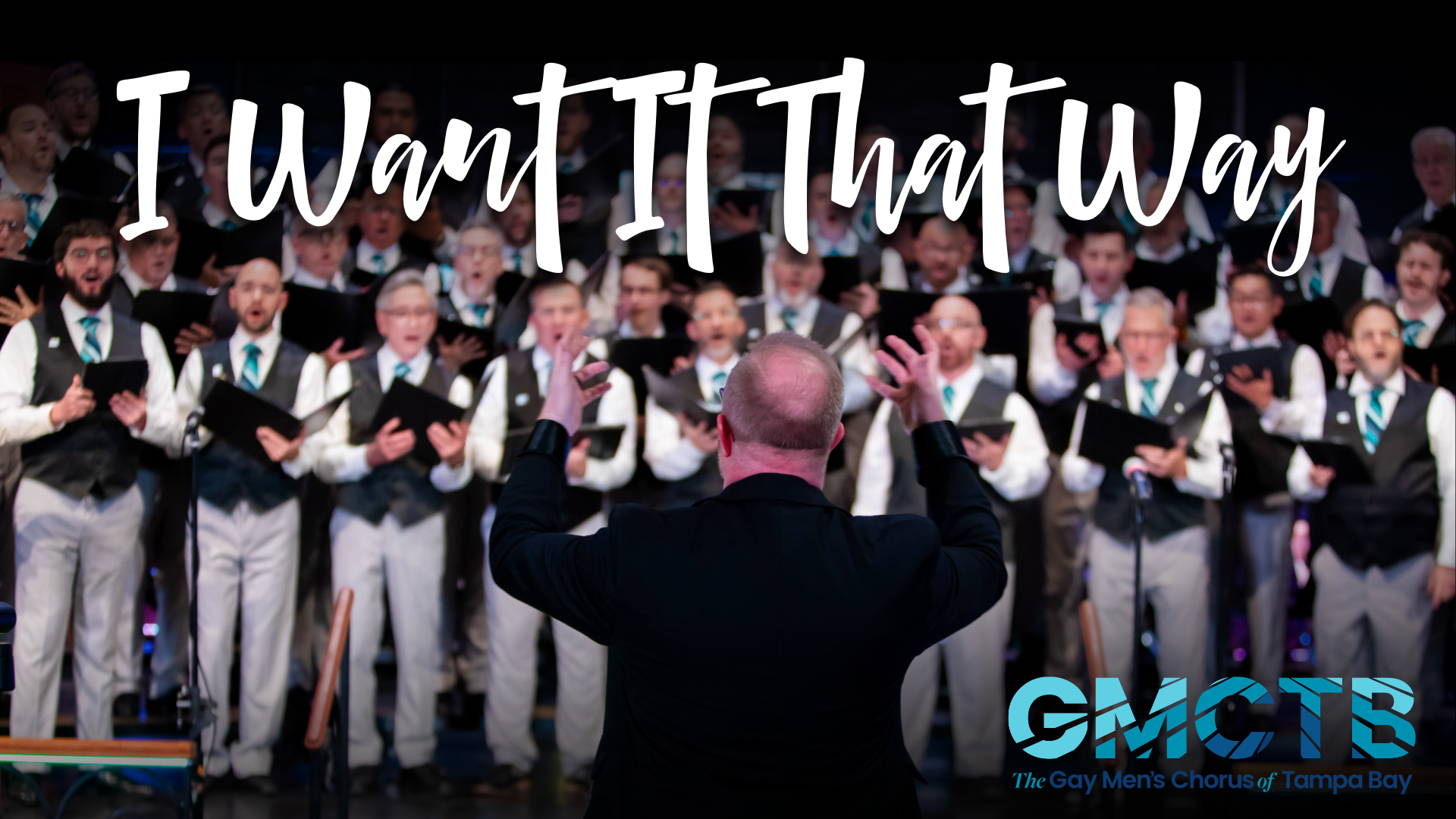
Rather than imitate the original's glossy studio production, the arrangement rebuilds the song from voices alone, planting the famous melody in the Tenor 2 line and ringing barbershop-tinged harmonies around it. Vocal-percussion syllables and sustained pads stand in for the drum machine and synth bed, giving the chorus a buoyant, self-propelled groove.
Tu Amor Me Hace Bien
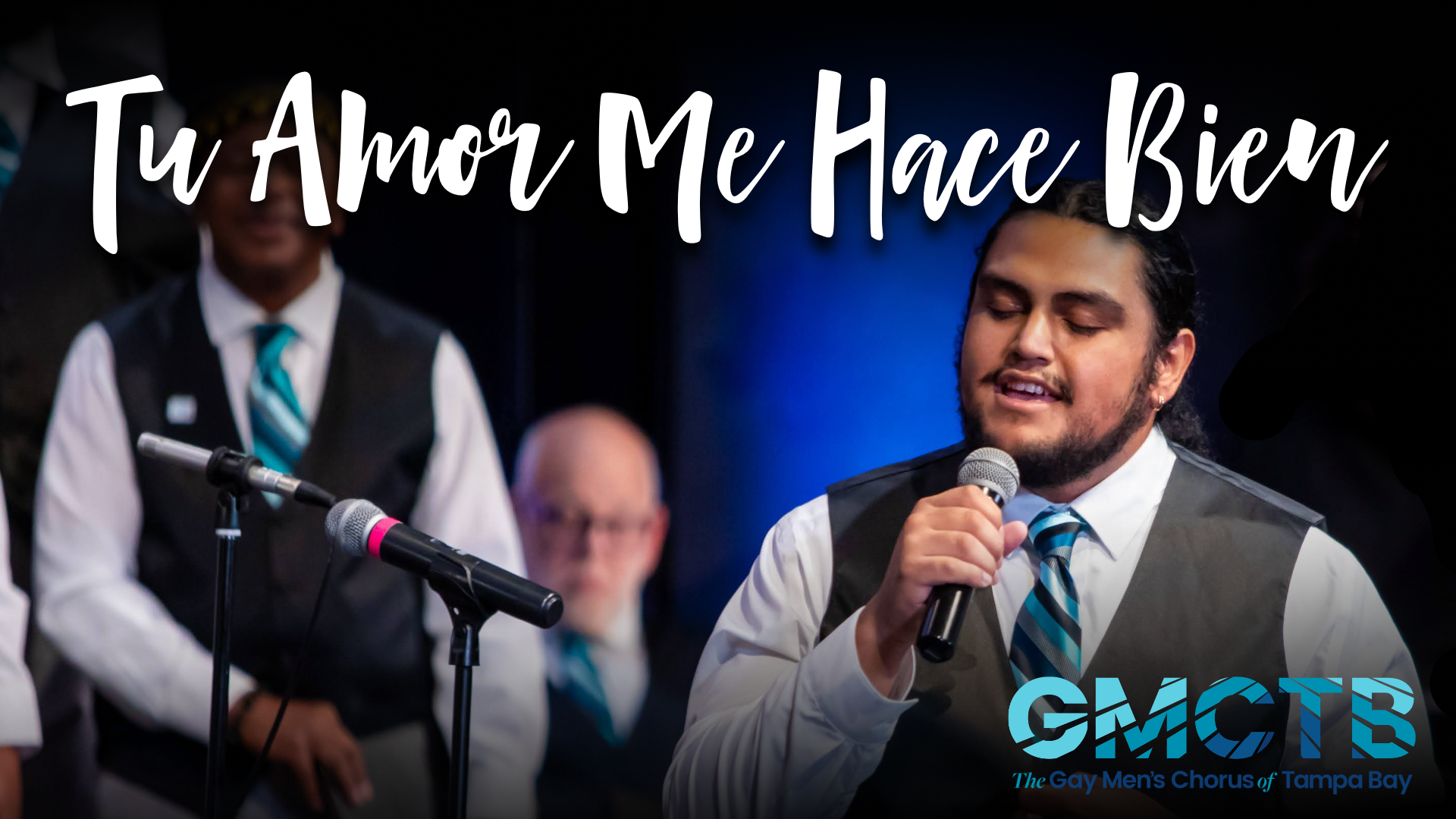
Cruz sang it as a love letter rather than a showpiece. His tenor stayed honeyed in the verses and gained a bright, ringing edge at the climaxes, and his diction carried the lyric's gratitude without ever pushing the line. The phrasing breathed; small ritards at cadences let key words land.
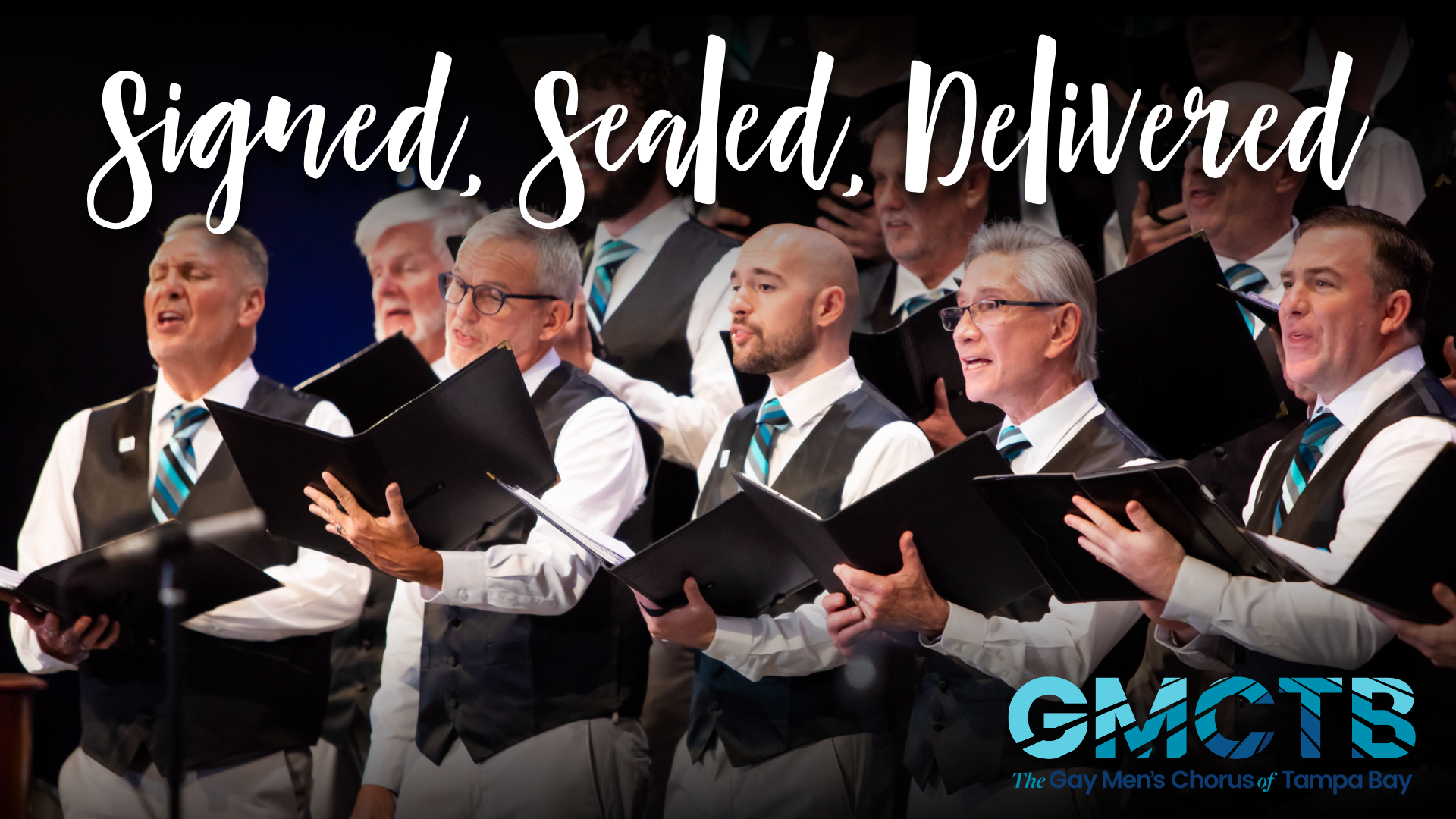
Signed, Sealed, Delivered
The chorus performed with infectious commitment. Sectional balance stayed clean across the funk-driven verses, the basses anchoring a buoyant bottom while tenors snapped the upper hooks into place. Diction was bright and percussive, every consonant landing on the beat, and the dynamic shaping built each refrain toward a triumphant, fully-voiced release.
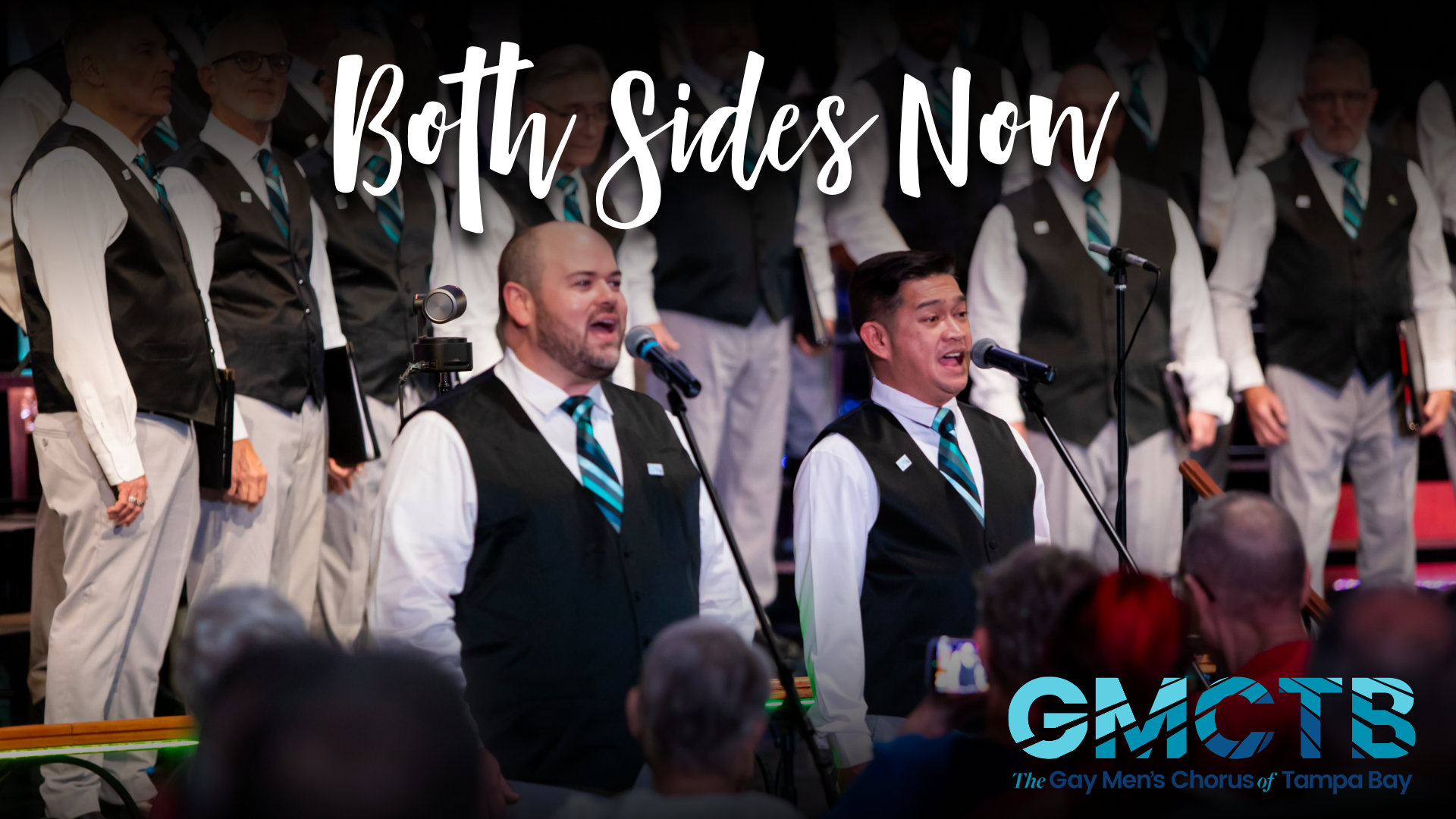
Both Sides Now
Smith and Omila handled that intimacy with care. Smith's warm, grounded lines anchored the verses, while Omila floated above with a brighter, more searching tone; on the choruses the two locked into close thirds that felt less like performance than shared remembering. Their phrasing breathed together, and the dynamic restraint they kept in the early verses made the final swell land with real weight.
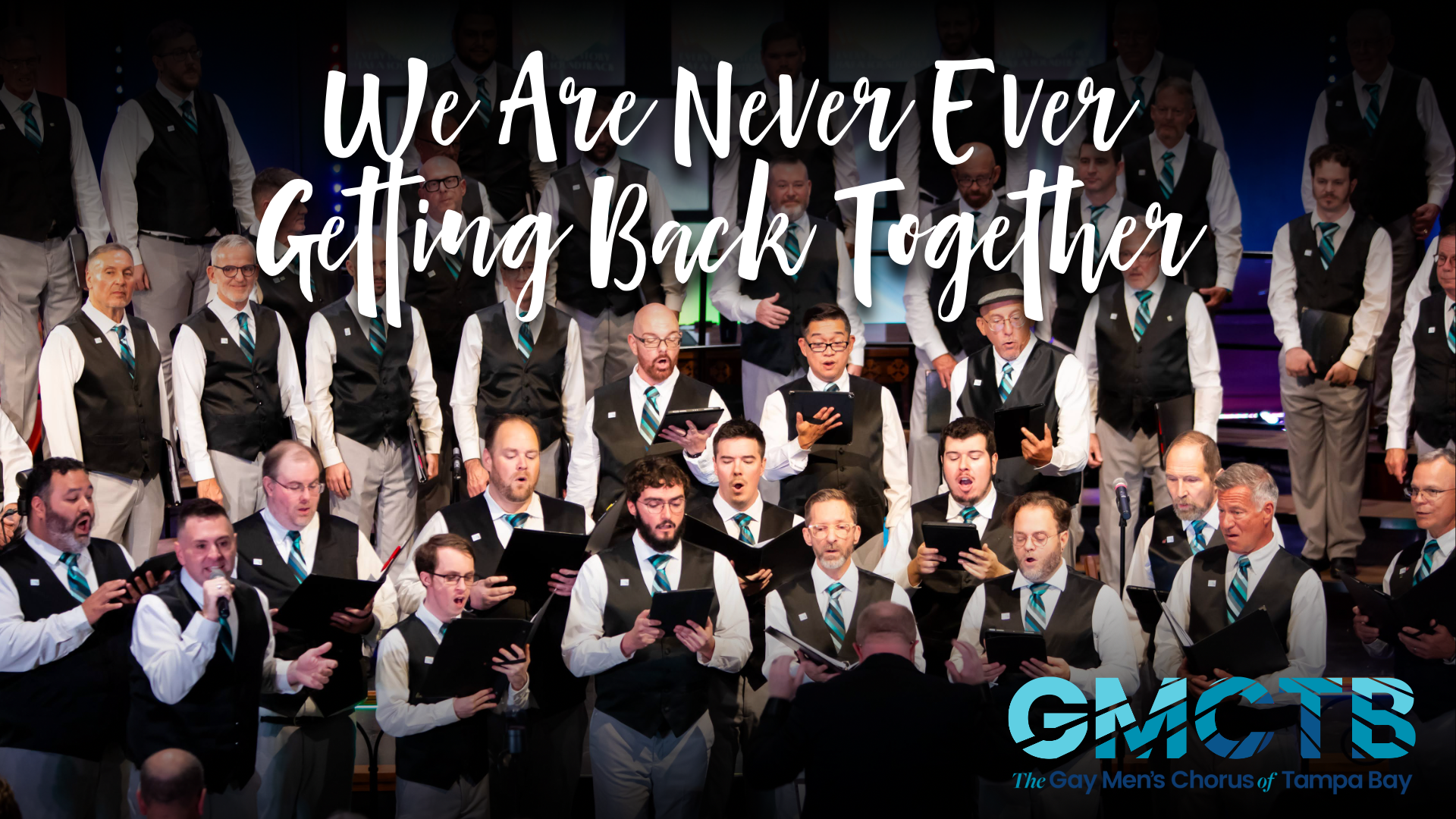
We Are Never Ever Getting Back Together
Wright's chart strips the 2012 pop hit, written by Swift with Max Martin and Shellback, down to a nimble a cappella frame. Without a band to lean on, the ensemble itself becomes the rhythm section, snapping out the chugging eighth-note pulse with consonants and clipped vowel hits while the close harmonies stack into bright, slightly tart chords that mirror the song's eye-rolling defiance.
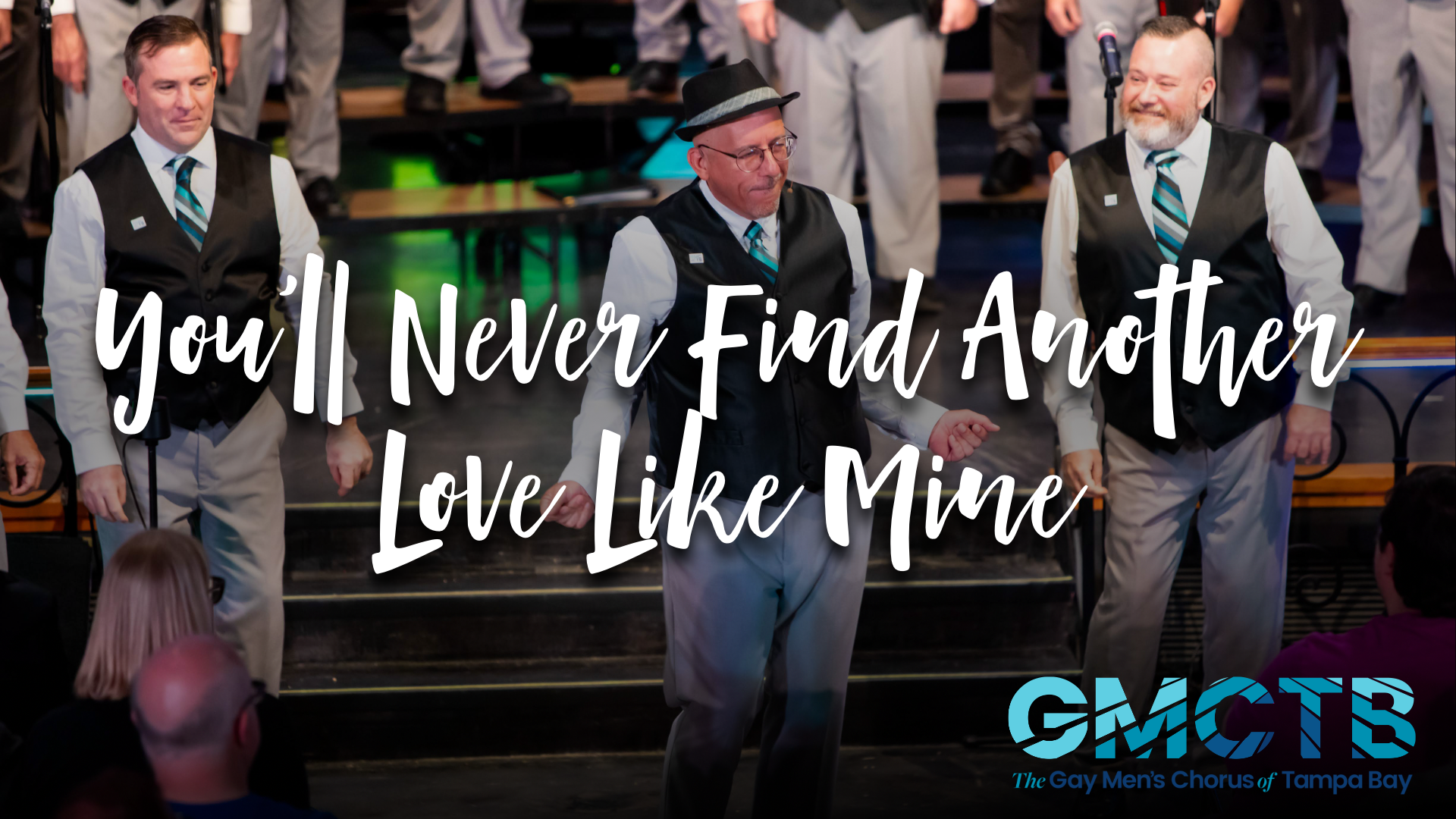
You'll Never Find Another Love Like Mine
What distinguishes this song is its smooth, mid-tempo glide, a lush groove built for an unhurried baritone confession. The arrangement leaned into that lineage, framing Beaty's lead with cushioned backing harmonies and the easy, conversational swing Rawls himself favored when he recorded it live.
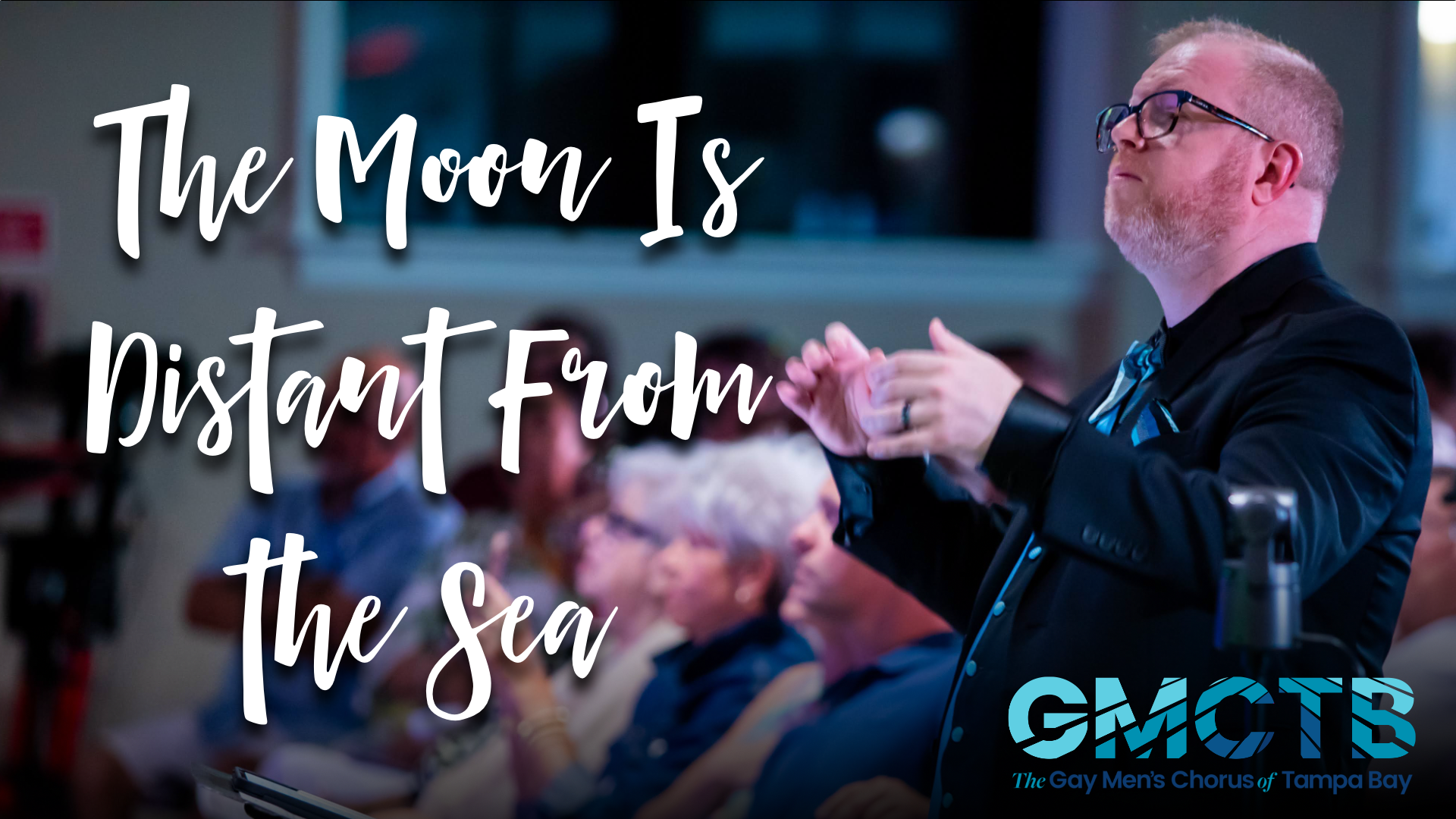
The Moon Is Distant from the Sea
Childs treats Dickinson's compact, image-rich verse with a sparkling lyricism. Soaring vocal lines float above a piano part that supplies shifting color and gentle current, mirroring the poem's central conceit of a sea drawn obediently by the distant moon. The harmonic language is warm and largely diatonic, but Childs threads in suspensions and tidal swells that keep the texture luminous rather than static.
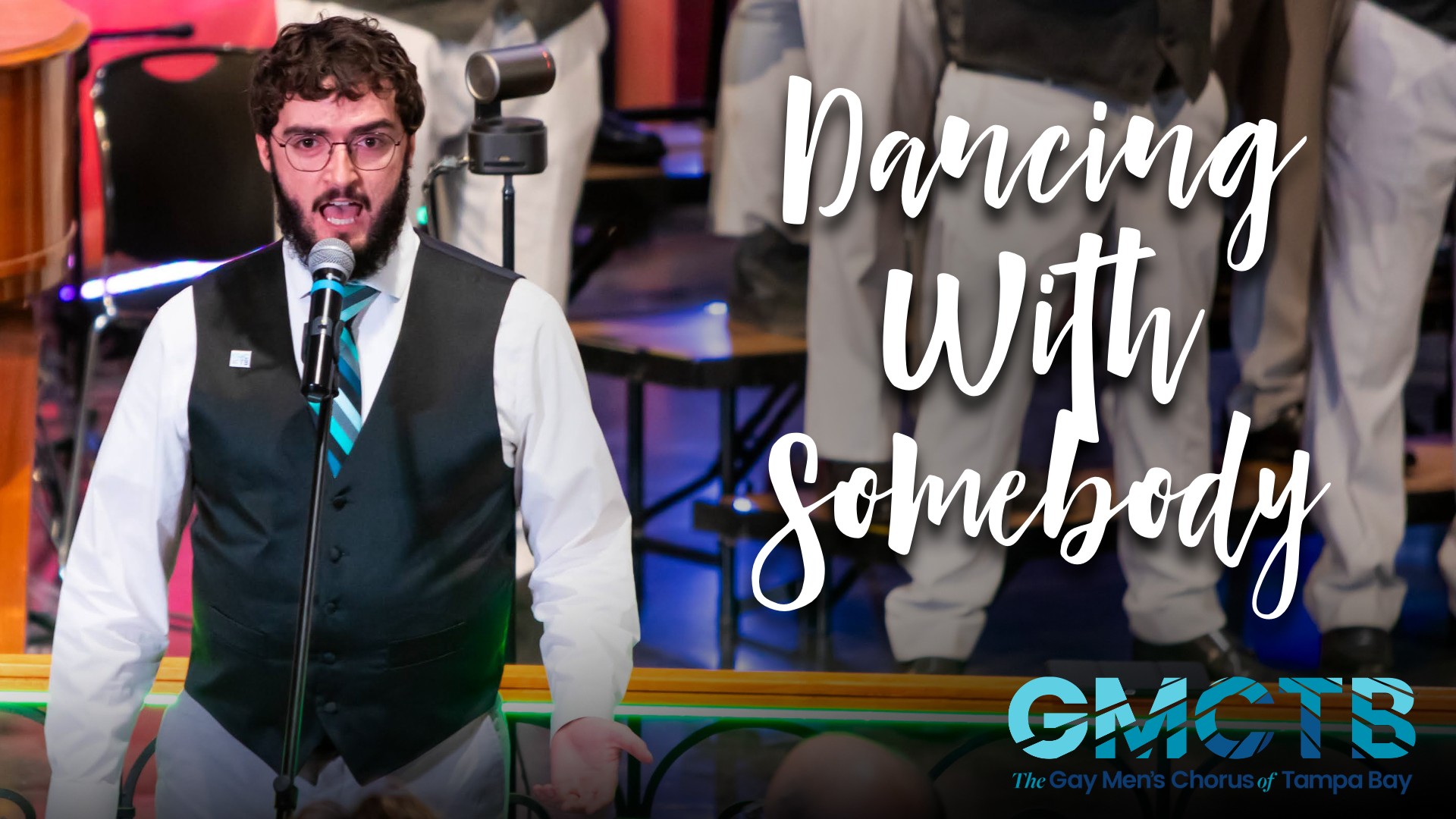
Dancing with Somebody
The genius of Ash's arrangement lies in its tension. Robyn's lonely, four-on-the-floor pulse sets a melancholy floor of close harmony, while Houston's anthem rises against it in bright, open voicings. The two songs argue and then embrace, the heartbreak of watching from the edge of the dance floor giving way to the irrepressible wish to be held.
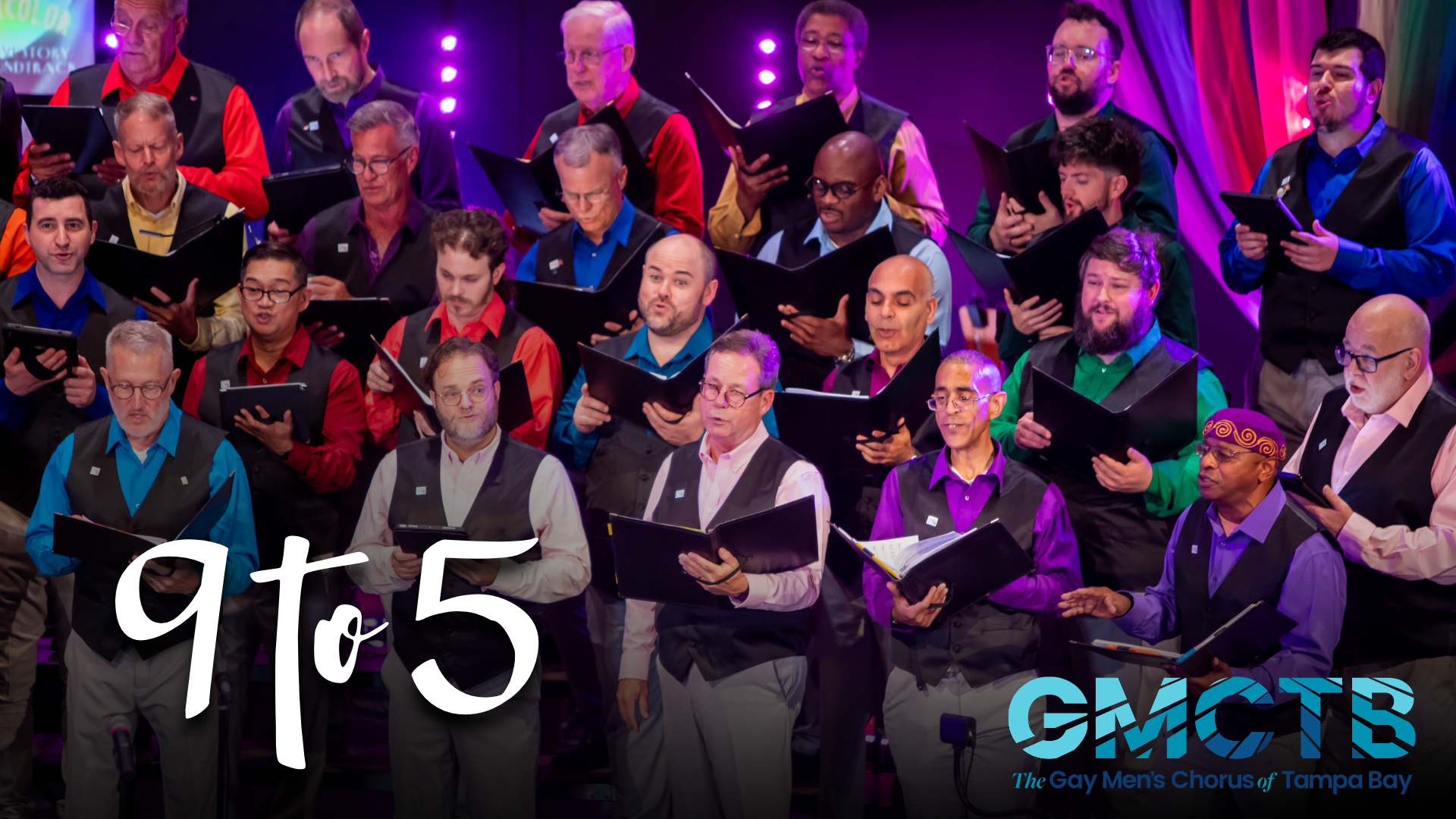
9 to 5
Weirick's chart leans hard into that working-day swagger, translating Parton's honky-tonk piano and clattering rhythm into stacked male voices. The arrangement thrives on a propulsive, syncopated groove, building from a wry verse into a full-throated, harmonized hook that lets the chorus pile up close, country-flavored chords behind the famous title line.
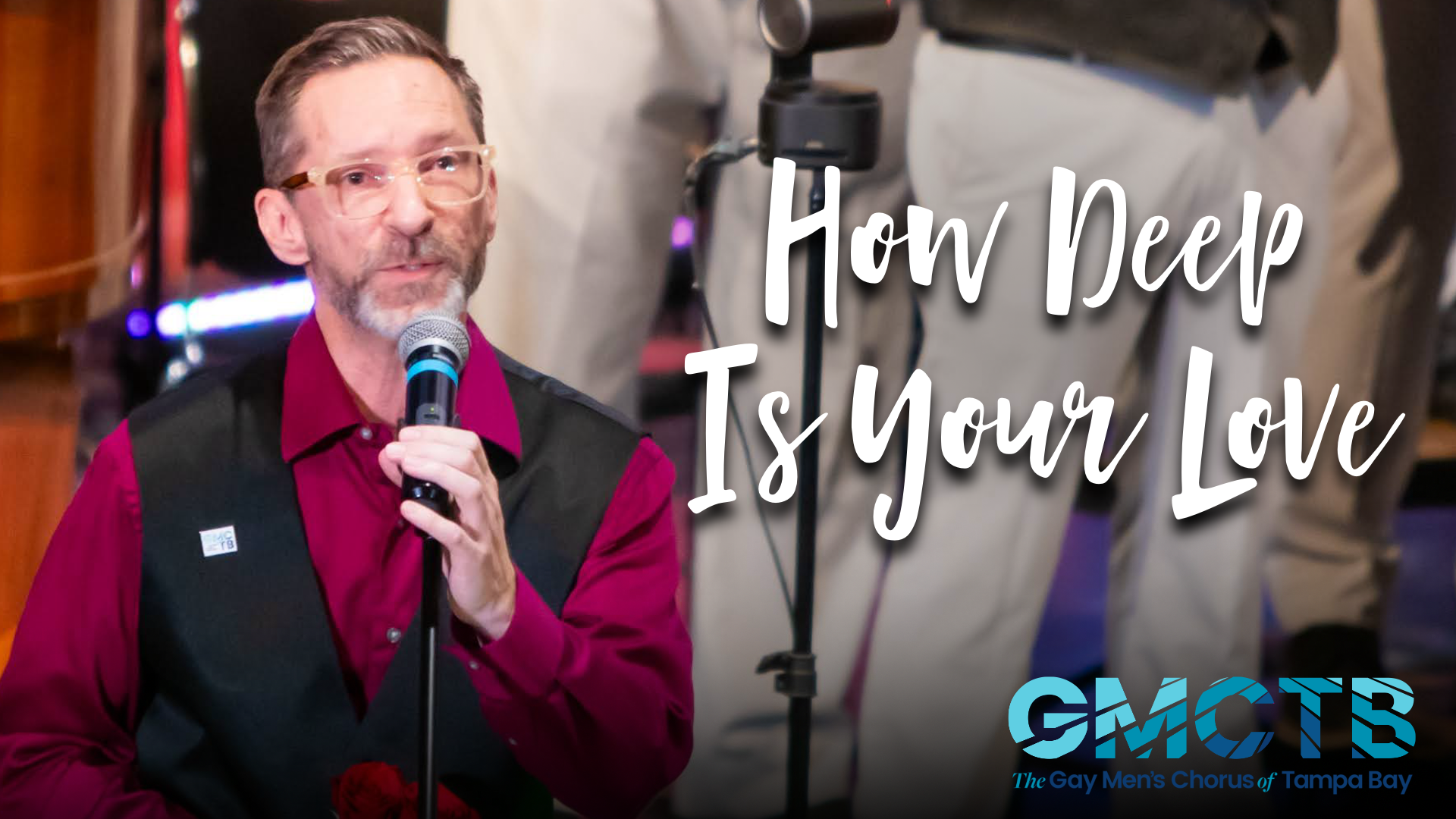
How Deep Is Your Love
Hession sang with an unhurried, conversational ease, floating the verses in a light upper register before the choir gathered beneath him. The ensemble's blend was notably even, basses anchoring without weight, the tenor and baritone sections trading phrases with clean diction. Dynamic shaping stayed gentle, swelling only into the chorus.
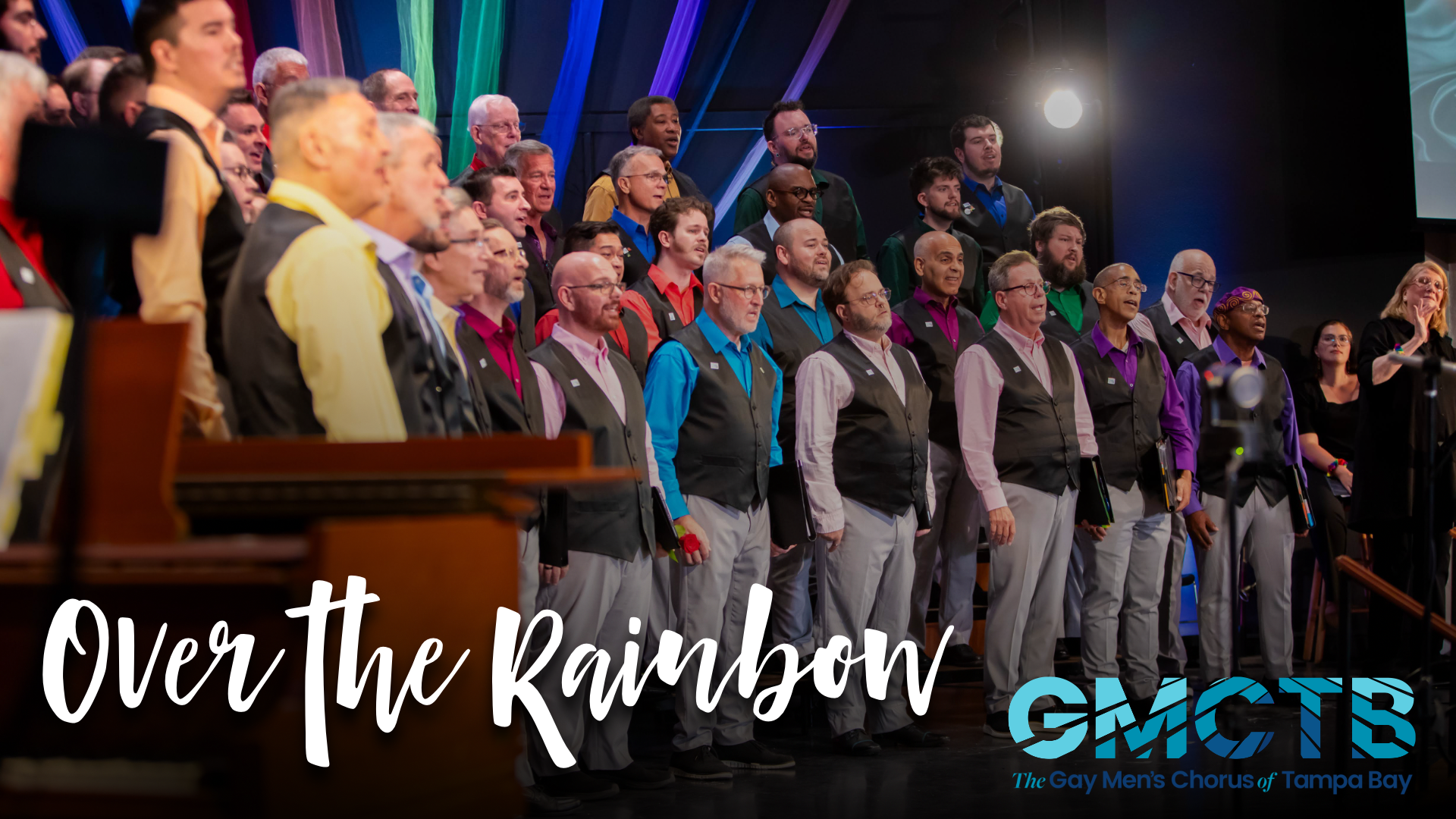
Over the Rainbow
The chorus answered with disciplined ensemble blend. That signature opening interval bloomed cleanly from the lower voices, and the sectional balance held steady through Hayes's shifting textures. Diction stayed crisp on Harburg's wistful imagery, while the singers shaped each dynamic swell with patience, withdrawing to a hushed pianissimo before the final, glowing cadence.
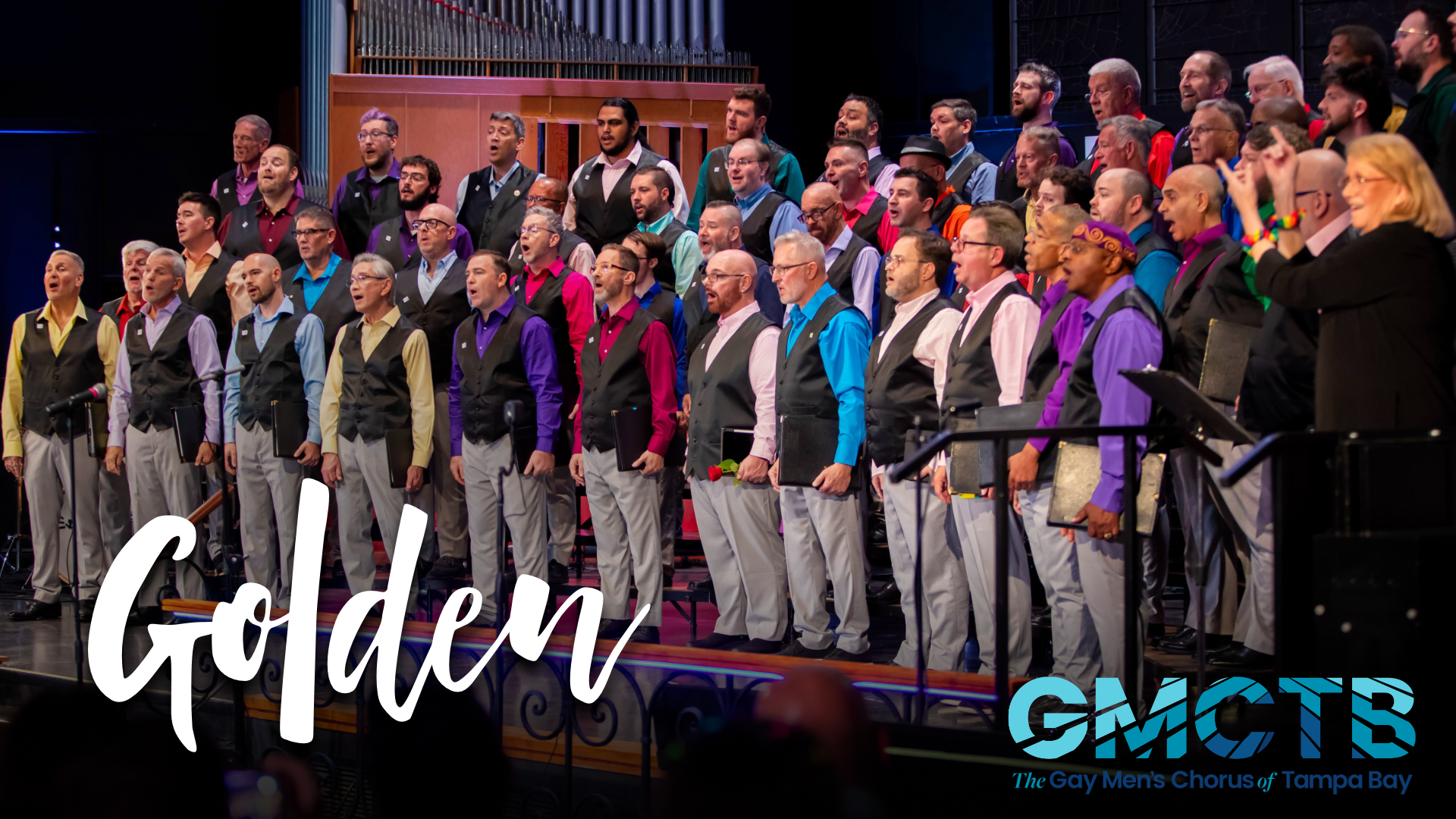
Golden
Beckett sang with a bright, unforced top and clean intonation through the rangy melody, shaping the verses with intimacy and then yielding generously to the choir. Behind him the sections balanced beautifully: a warm tenor core, tight homophonic stacks on the title word, and crisp consonants that kept the rapid lyric legible. The dynamic shaping, from near-whisper to full-throated release, never blurred the blend.
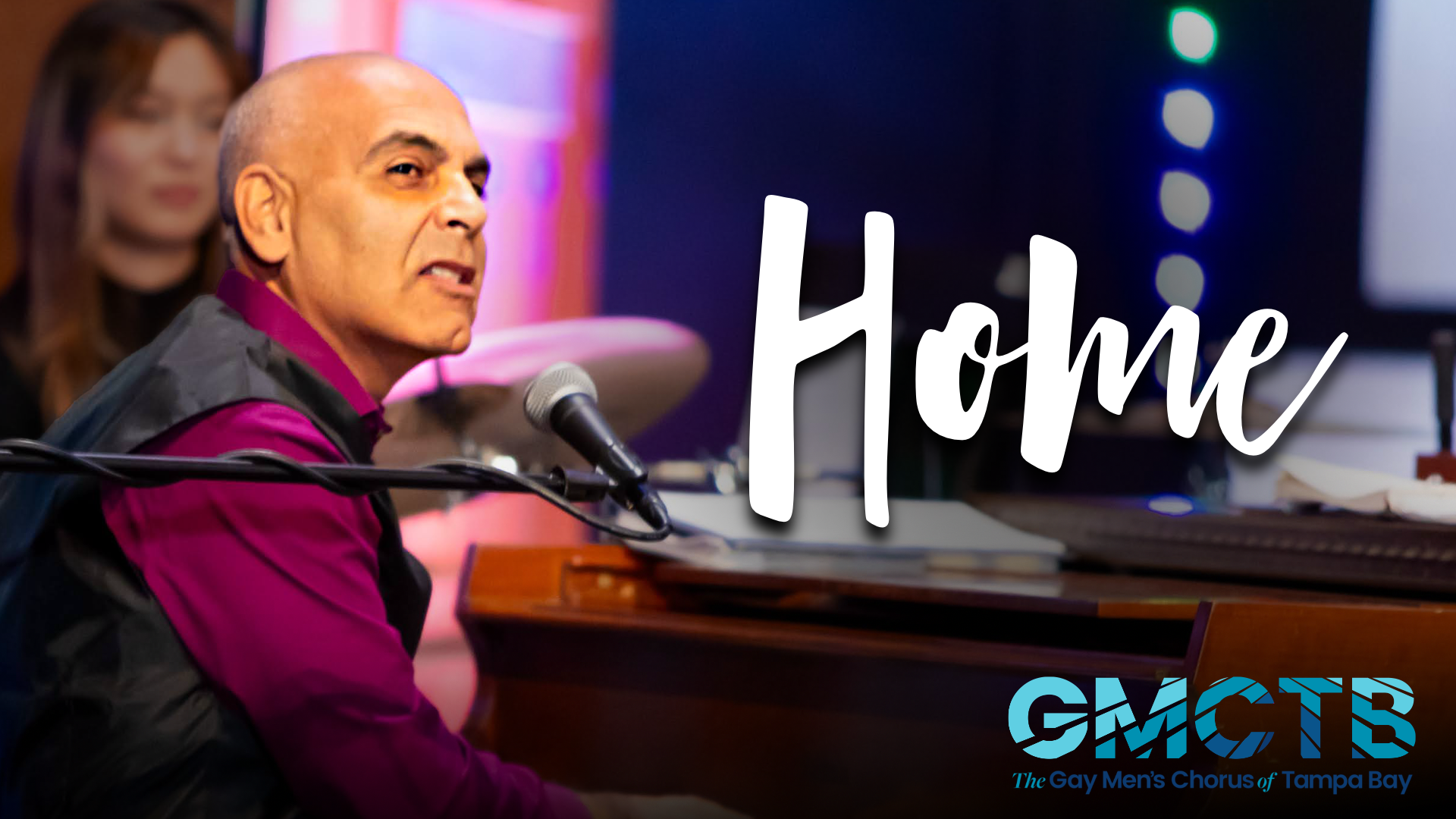
Home
Elias reading was unhurried and beautifully controlled. He kept the opening phrases close and warm, letting the lyric breathe, then released into the chorus with a chest-voice fullness that never tipped into shouting. The climactic lines, where the melody reaches and holds, were met with steady, supported tone and a sense of hard-won release that earned every rising note.
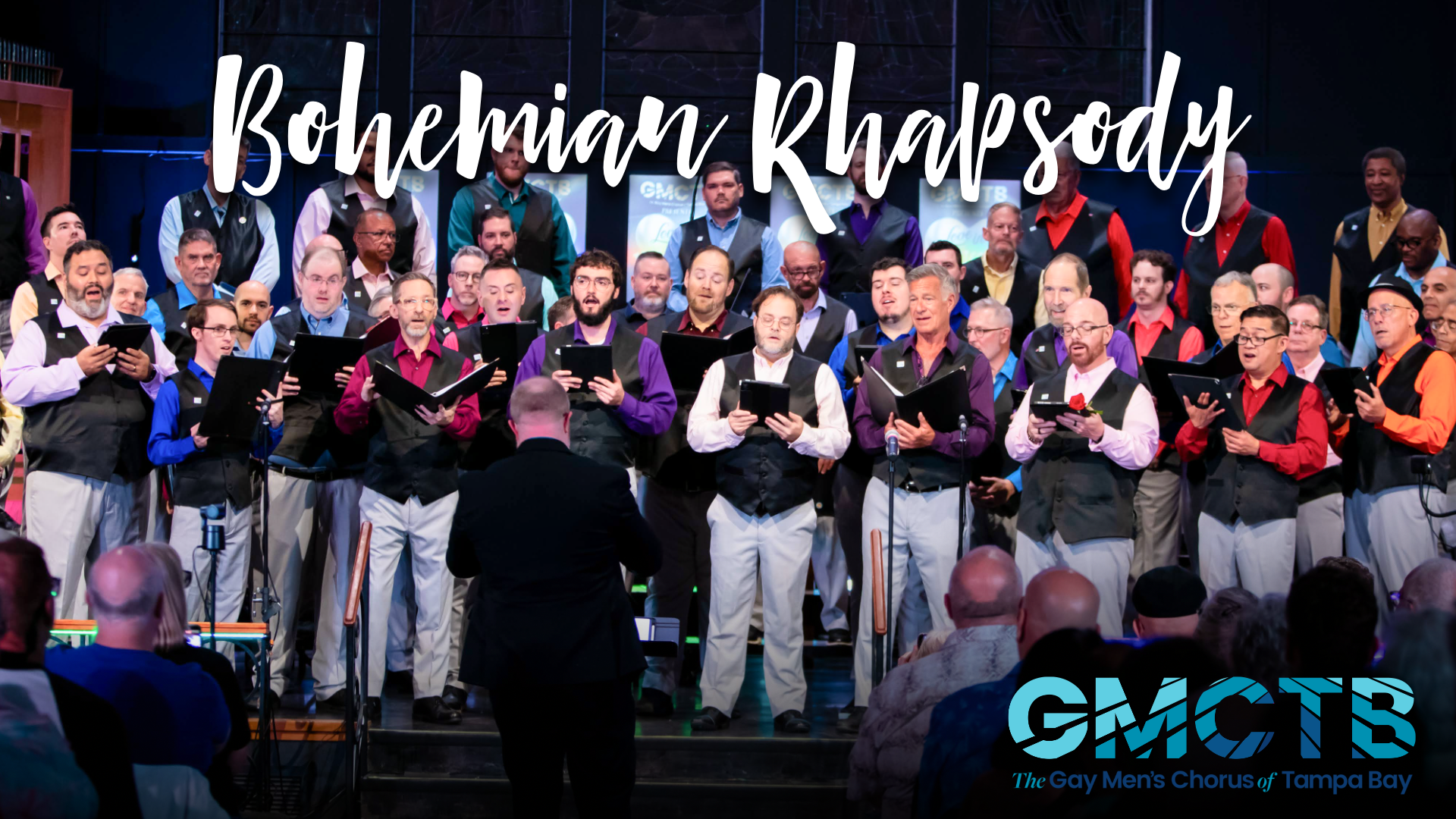
Bohemian Rhapsody
The Rainbros met that demand with tight, transparent close harmony. Their small numbers turned out to be an asset: entrances landed cleanly, the mock-operatic call-and-response volleyed back and forth with comic precision, and the dynamic swings, from whispered confession to full-throated defiance, registered without ever turning muddy. Intimacy, not bombast, carried the drama.
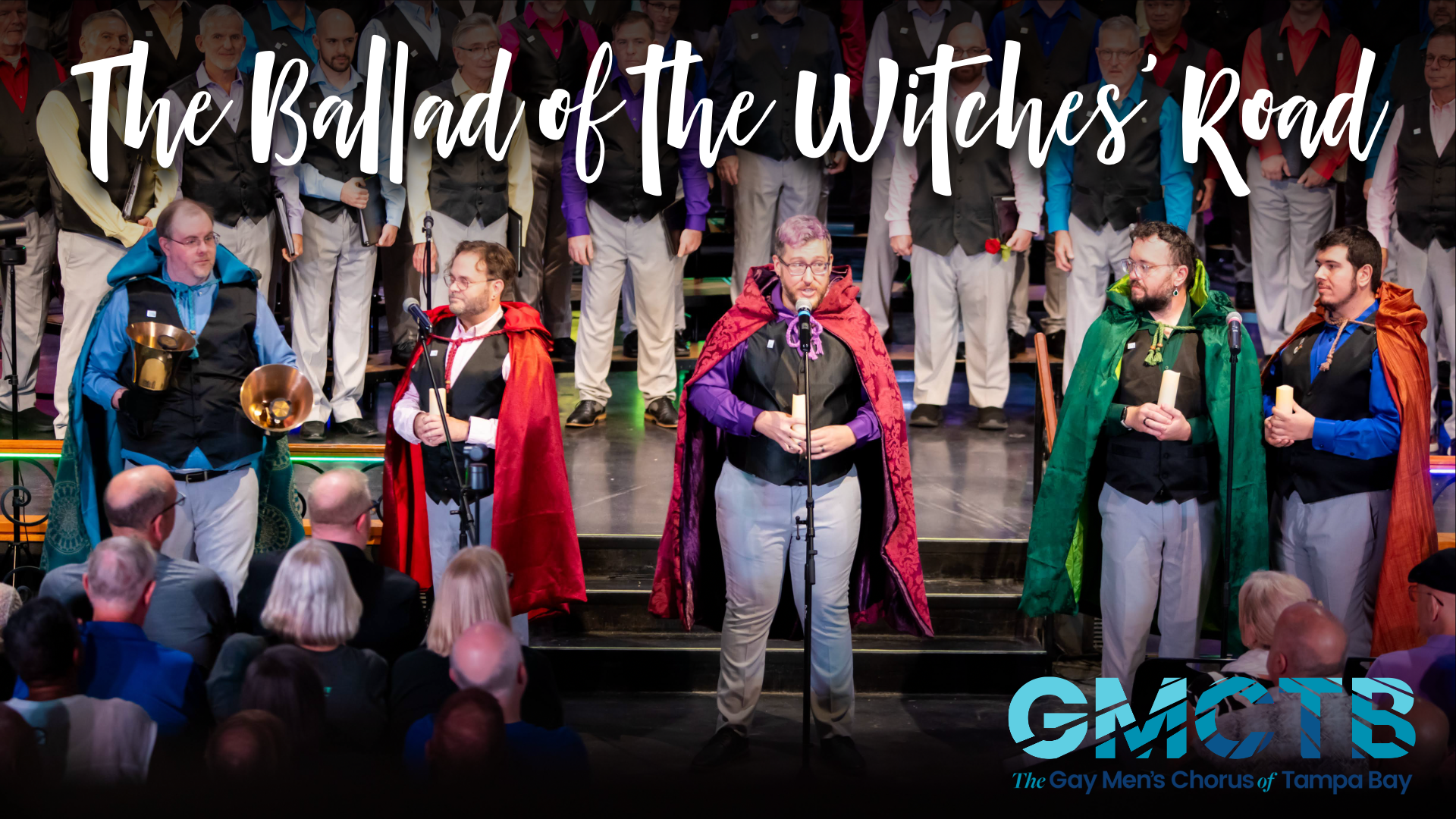
The Ballad of the Witches' Road
Greer sang it with patient, conspiratorial command. The lower range glowed with dusky warmth, while the climbing phrases tightened to a fine, focused edge, each "follow me" landing like an invitation you were not sure you should accept. Behind the solo, the four-man group laid a hushed, drone-like cushion, their close intervals shading the verses without ever crowding the lead.
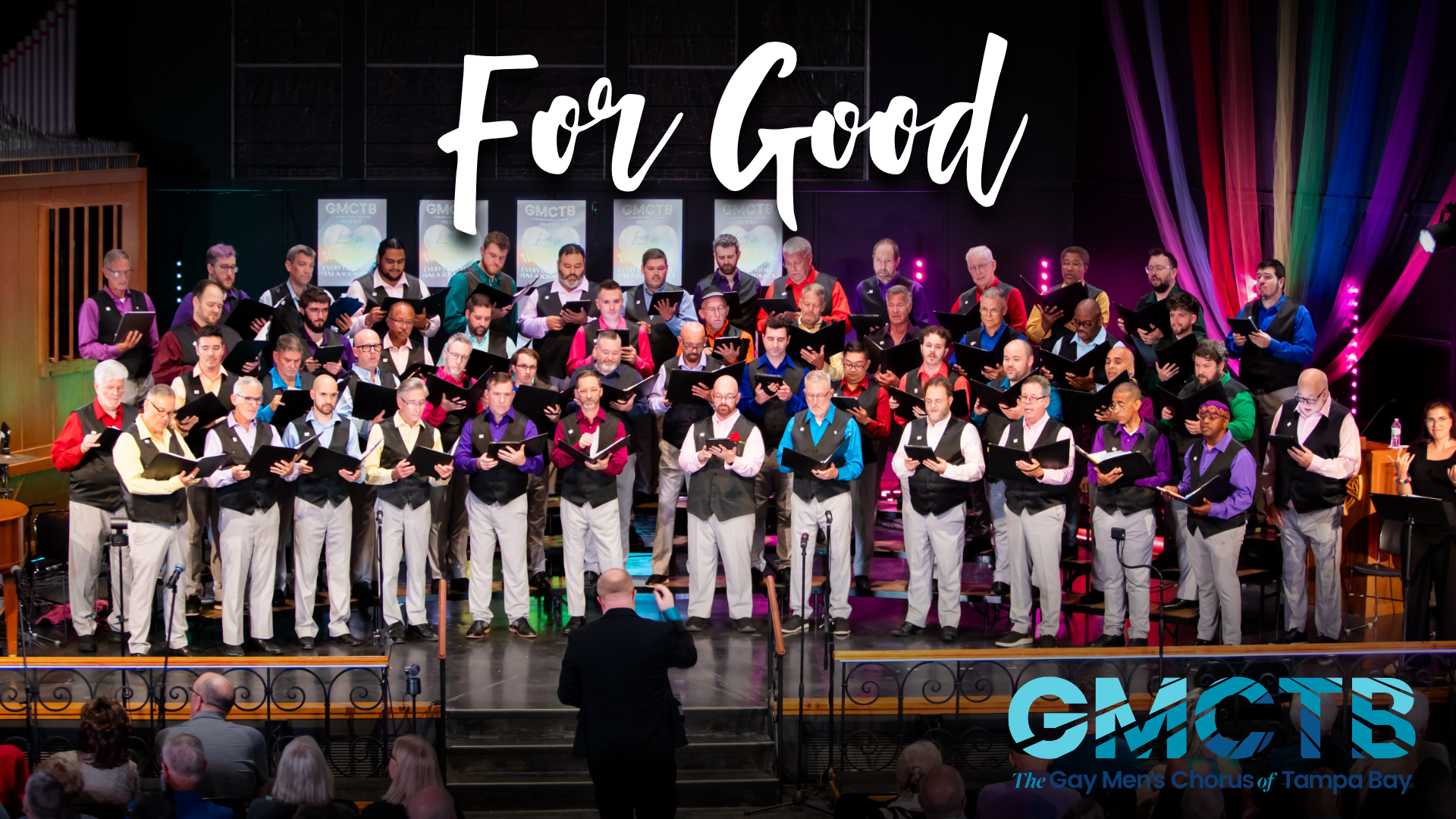
For Good
The chorus sang it with disciplined tenderness. The blend was seamless through the quiet opening, baritones and basses anchoring a soft cushion beneath the tenors' rising line, and the diction stayed clear so Schwartz's plainspoken lyric registered. The dynamic shaping was patient, building from near-whisper to a full, ringing climax without ever forcing the tone.
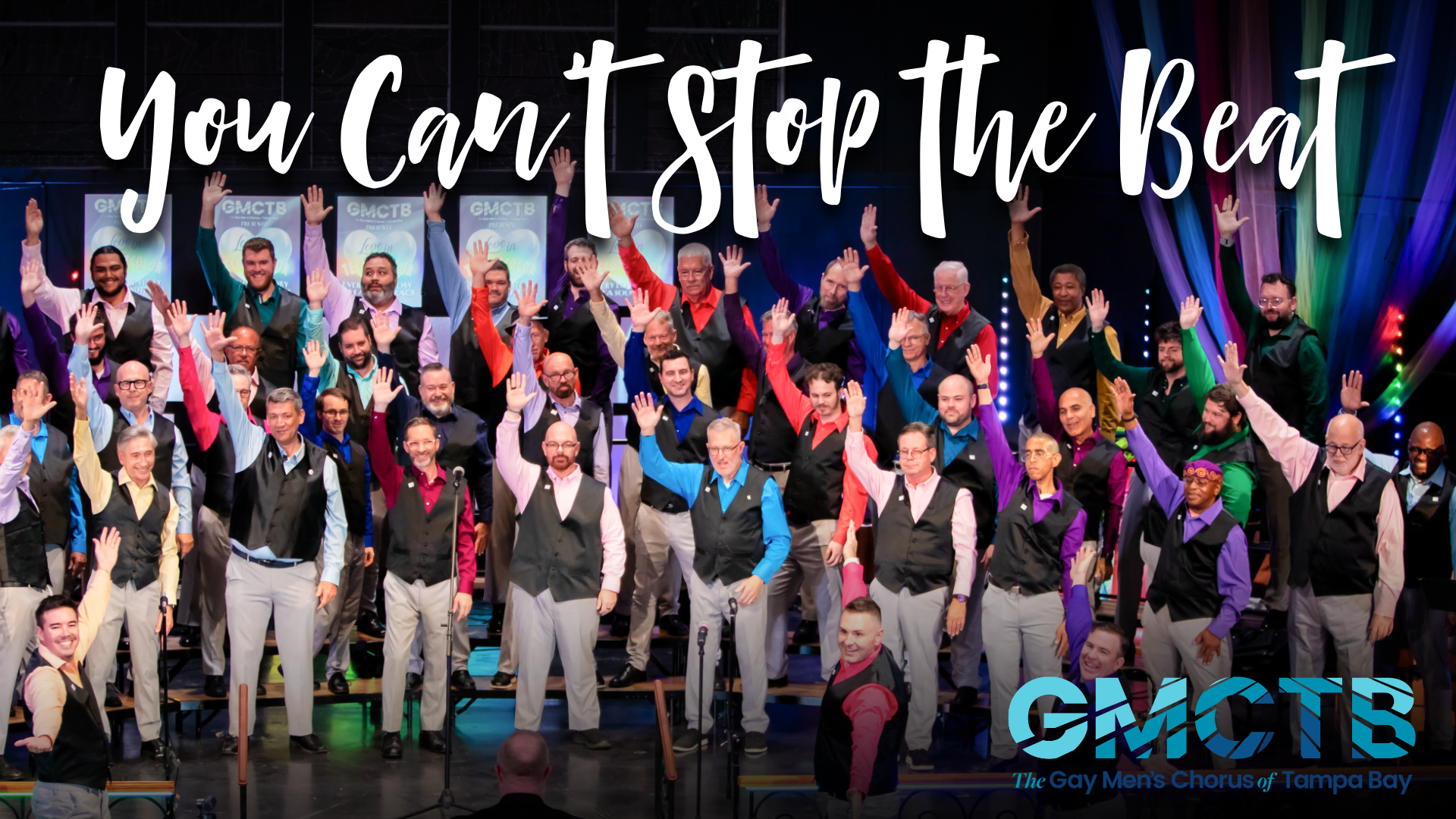
You Can't Stop the Beat
The performance crackled. Lockard's bright, forward tenor and Williams's warmer, grounded delivery gave the solo lines real contrast, and the chorus answered with crisp diction that kept the rapid-fire lyric intelligible at tempo. Sectional balance held even as the dynamics surged; the men shaped the swells without ever letting the beat slacken, and the final modulations landed with a punch.