
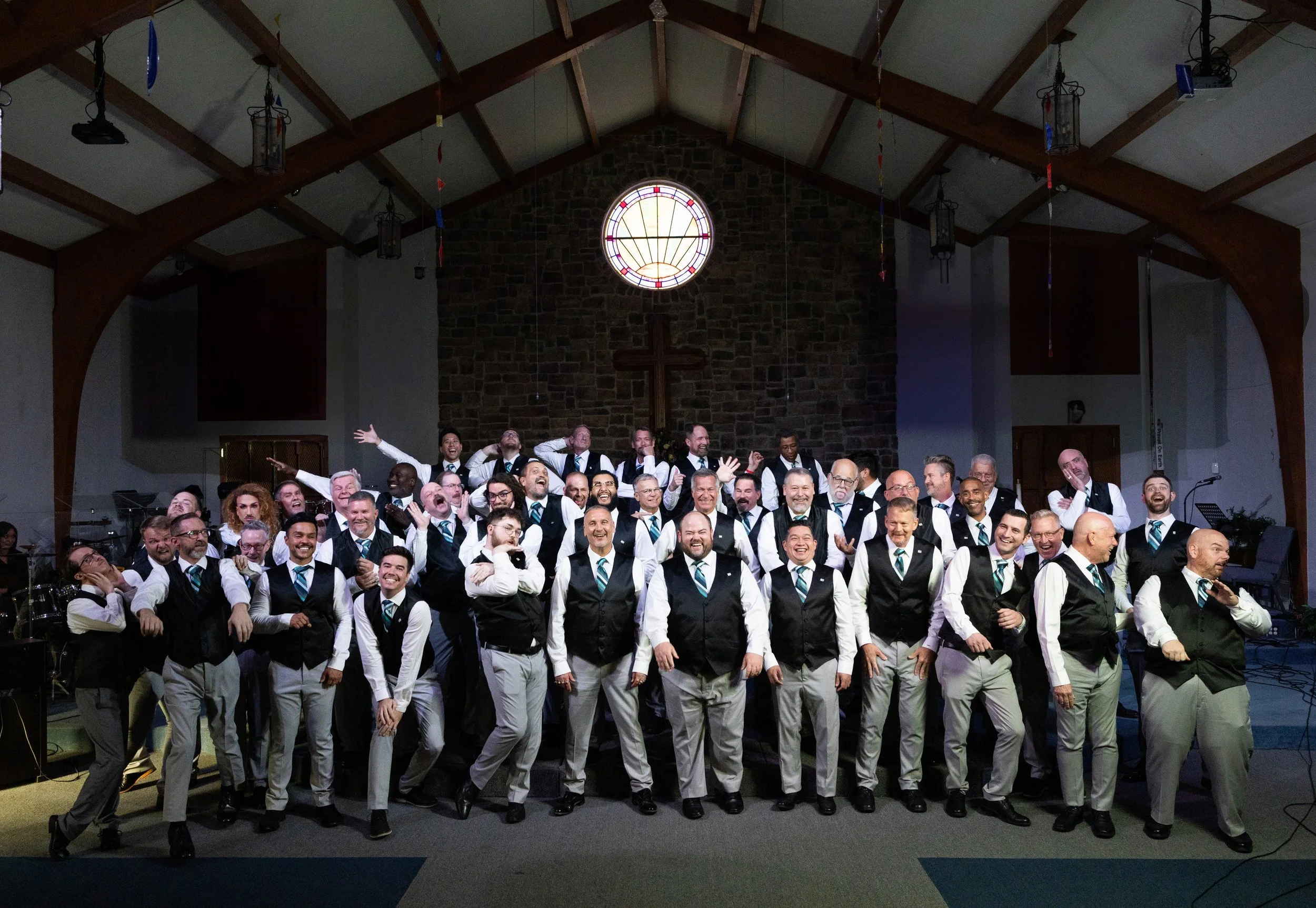
Songs of a Man’s Heart
I Love the ‘80s
Allendale United Methodist Church
May 17, 2024
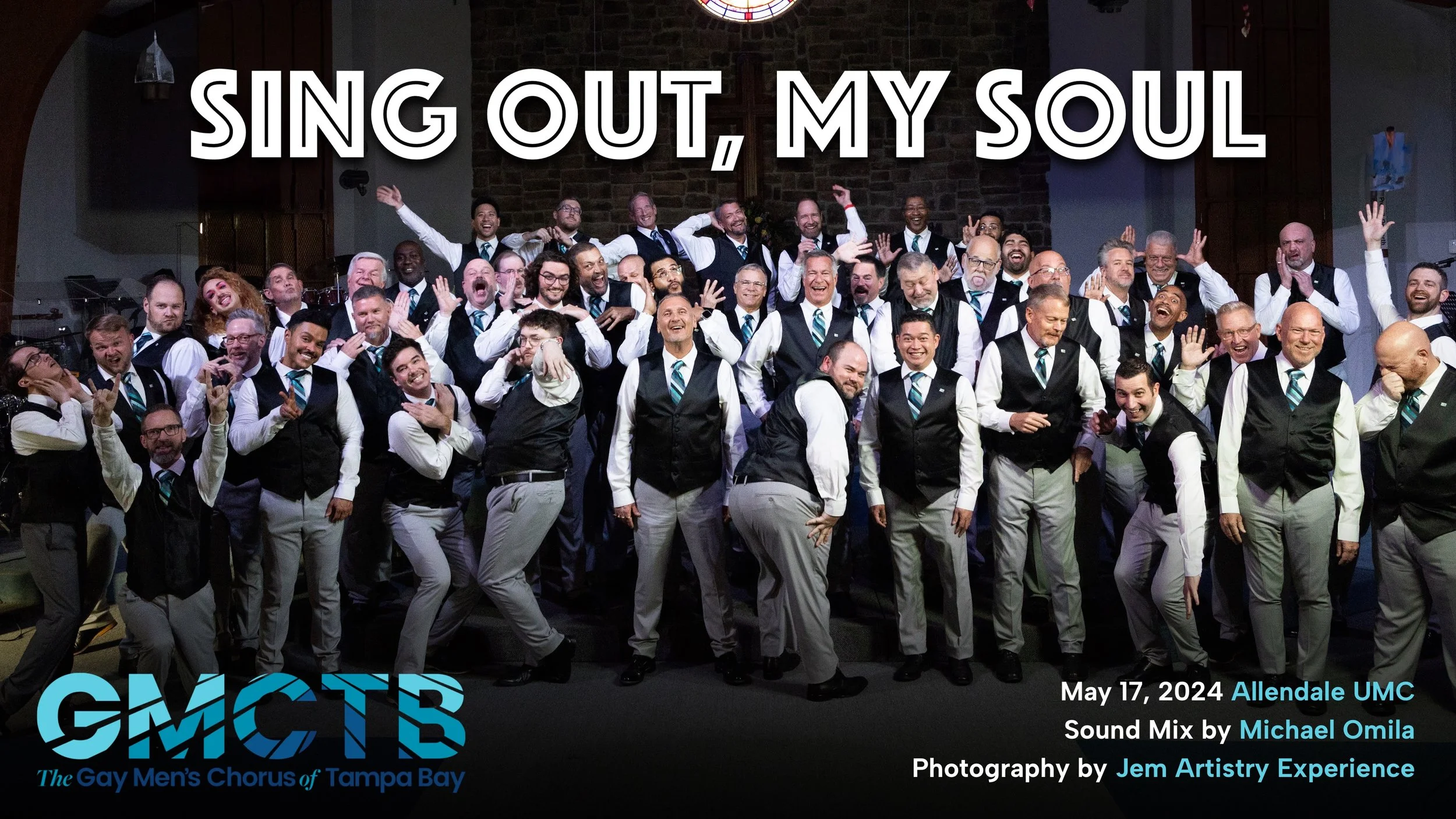
Sing Out My Soul
The contrast between hushed unison passages and richer, fuller harmonic moments highlighted the chorus's collective sensitivity. Each section of the ensemble contributed clearly defined color while remaining seamlessly blended in the larger texture. Garrett's writing rewards careful listening, and the singers' attentive musicianship made the piece's quiet emotional arc deeply felt.
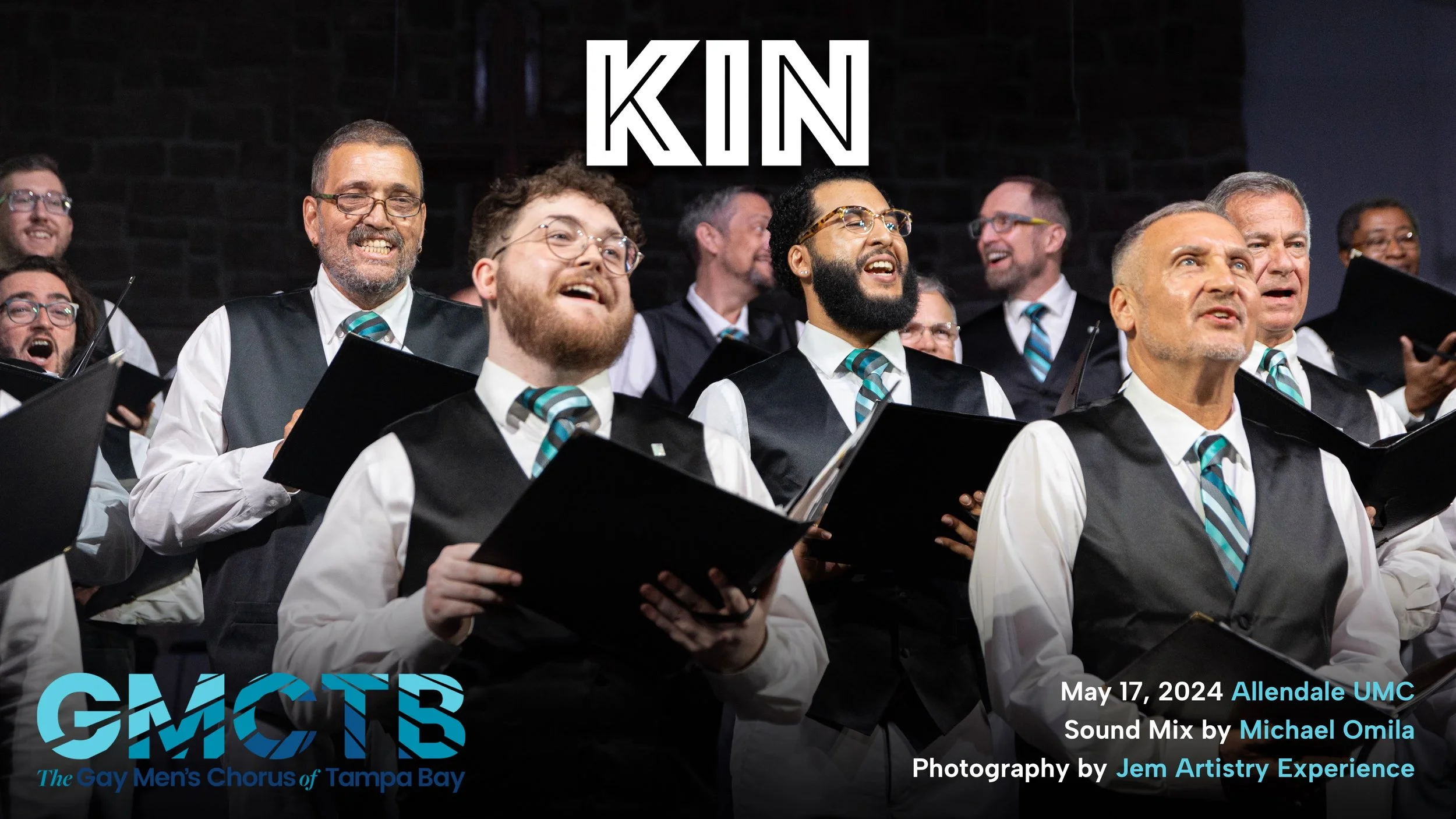
Kin
The chorus approached the piece with warmth and intention, allowing the text to unfold naturally over Takach's flowing harmonic lines. Carefully shaped phrasing emphasized the emotional contours of the music, while balanced blend across all sections gave the work a unified, embracing quality.
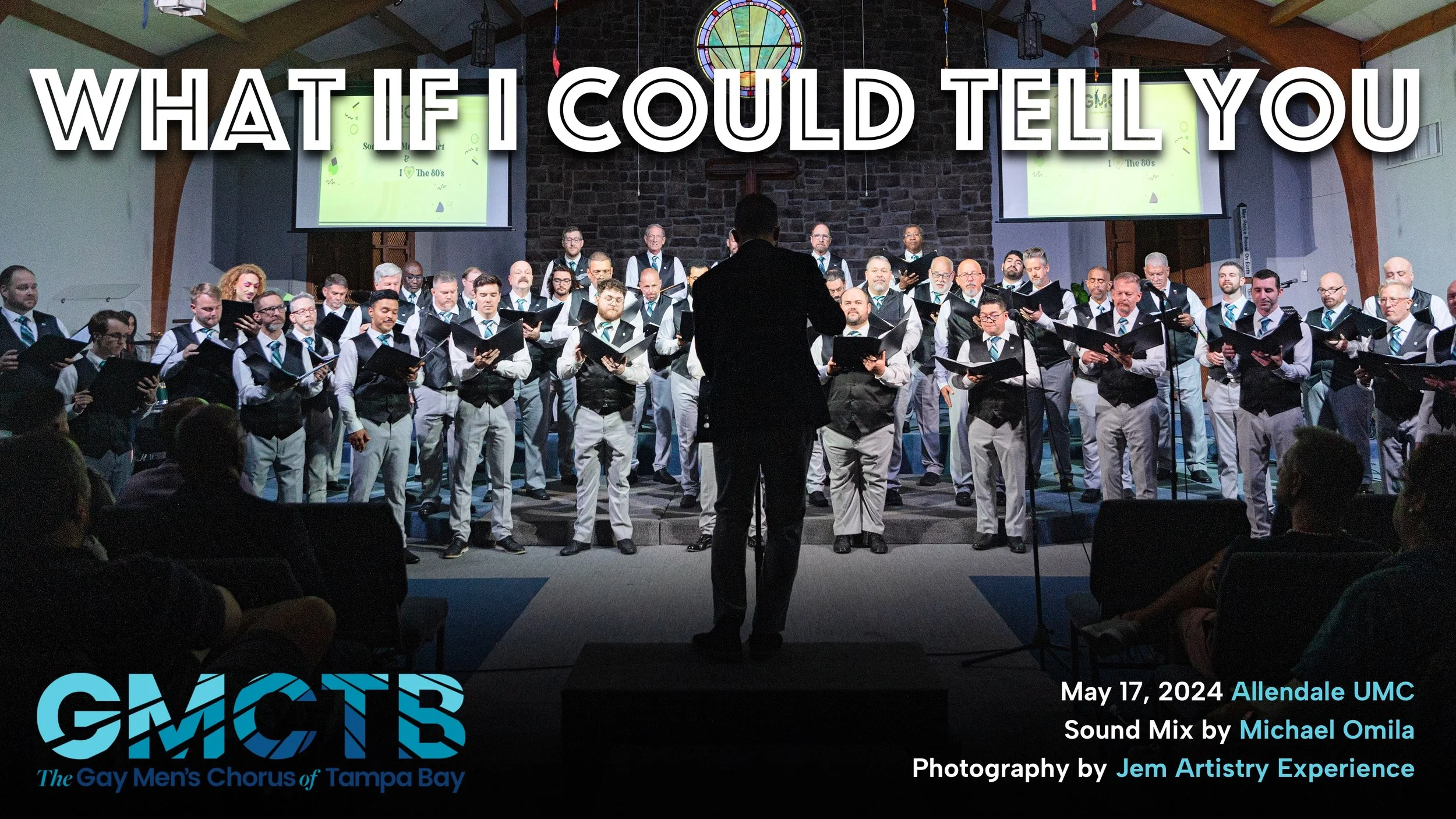
What If I Could Tell You?
The chorus approached the piece with the sensitivity it demands, allowing the text to emerge slowly and clearly. Each phrase was given space to breathe, with carefully shaped dynamics drawing listeners into the music's quiet emotional core. The singers' careful attention to phrasing and tonal warmth gave the work a sense of intimacy that felt almost like a private conversation.
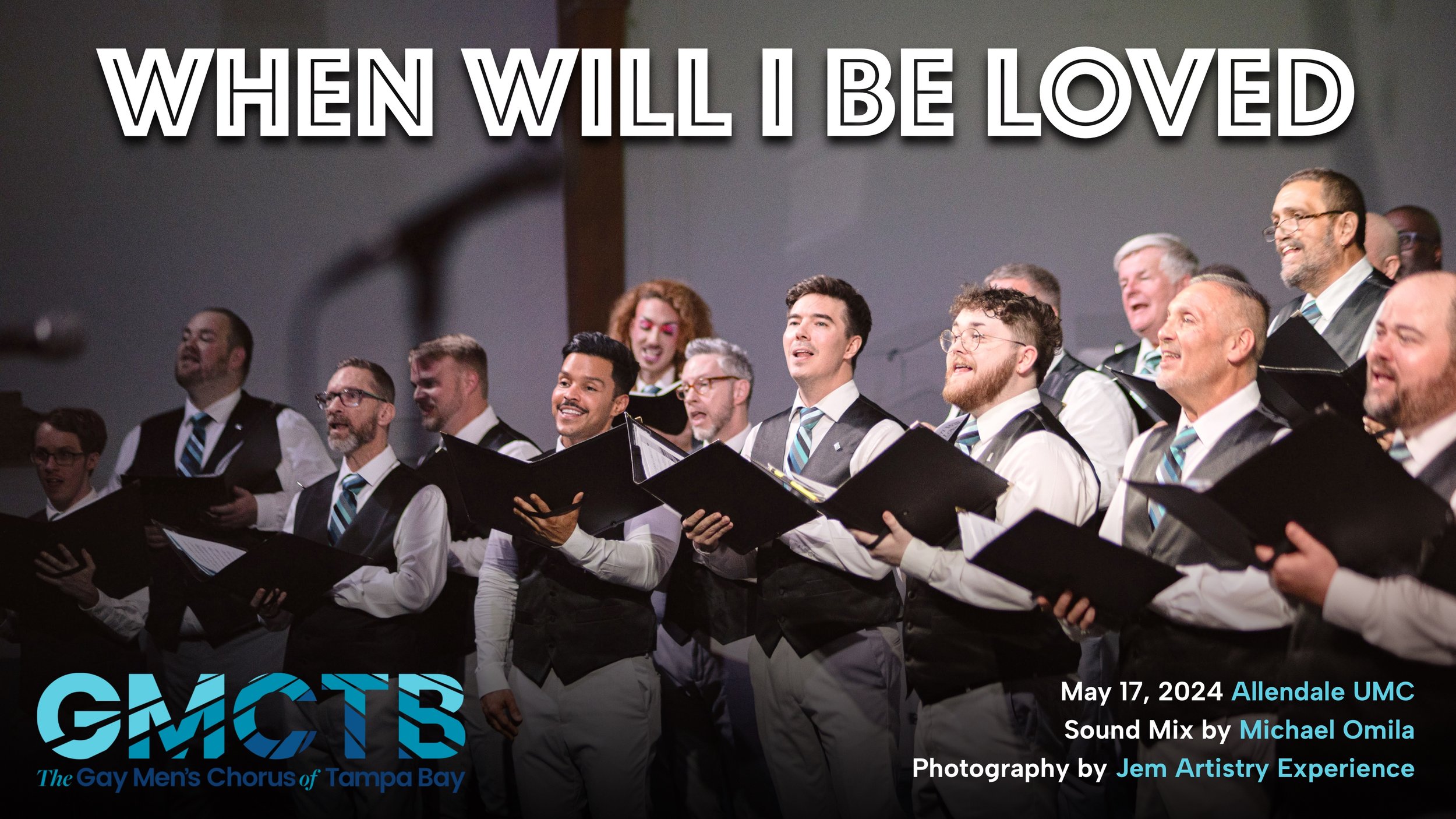
When Will I Be Loved?
The ensemble's strong sense of internal pulse drove the piece forward without ever rushing it. Subtle dynamic contrasts shaped the verses, allowing moments of vulnerability to emerge before opening into fuller refrains. Foster's vocal writing weaves clean countermelodies and harmonic embellishments through the texture, and the chorus delivered these with both precision and warmth, demonstrating their versatility as interpreters of popular song.
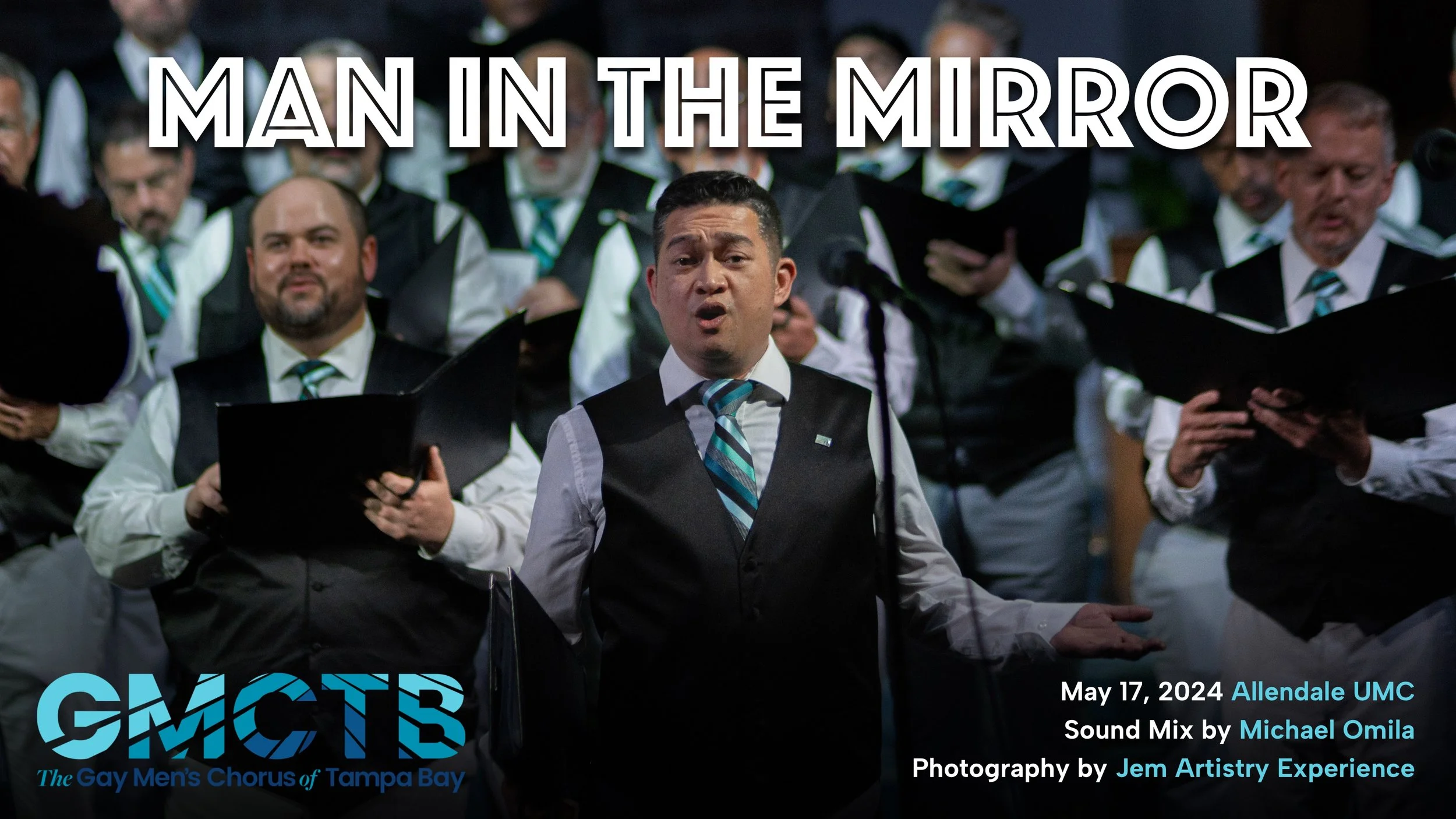
Man in the Mirror
From his first entrance, Omila brought a sense of conviction and emotional clarity to the lyric. His warm, expressive vocal delivery anchored the performance, shaping each phrase with the care of someone who clearly understood the song's deeper message. Rather than mimicking Jackson's iconic style, Omila offered his own interpretation — sincere, grounded, and quietly stirring — letting the words speak for themselves before opening up into the song's more impassioned moments.
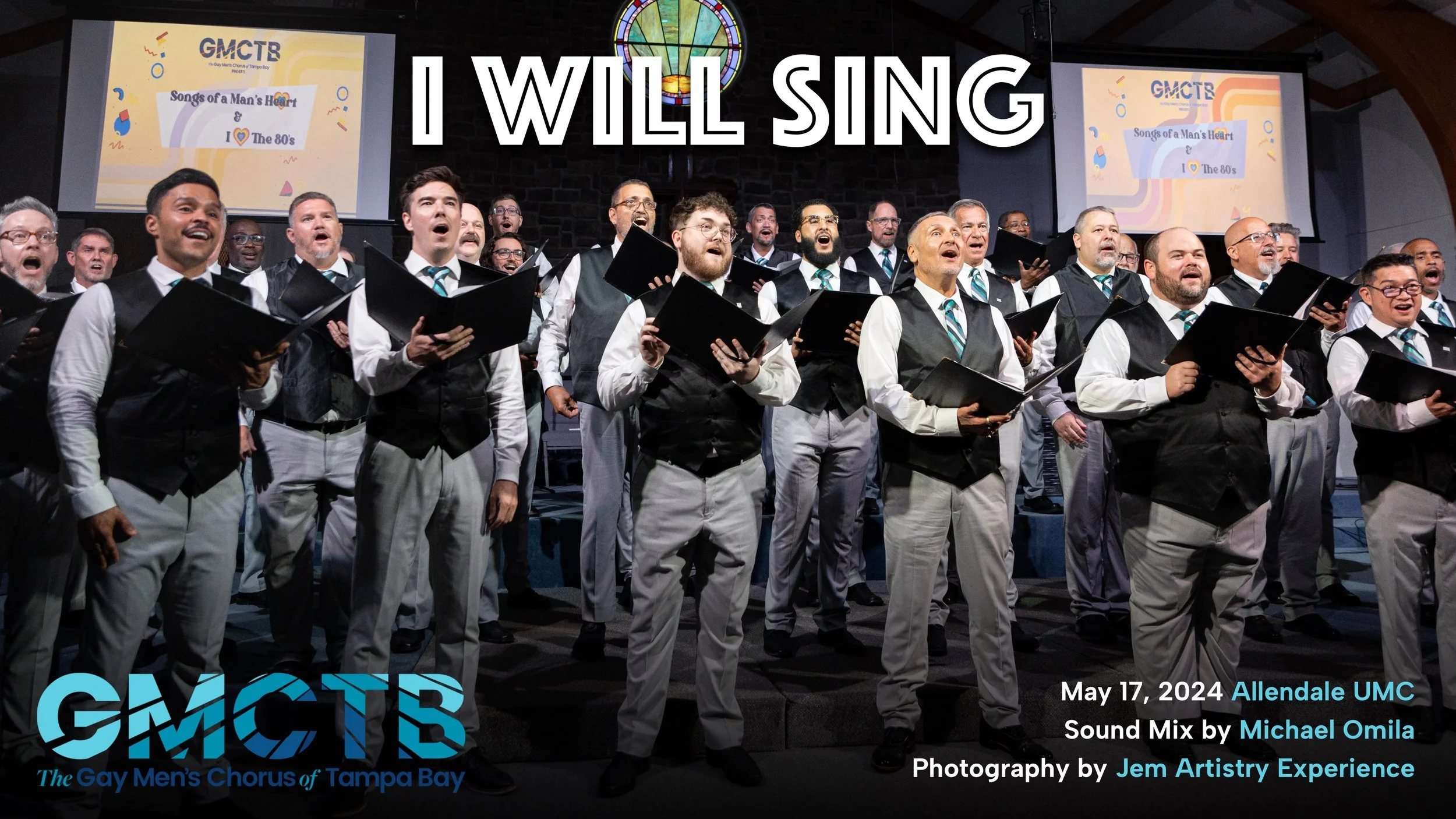
I Will Sing
The ensemble's strong unity was particularly evident in the work's more demanding passages. Layered vocal lines wove together cleanly, with each section contributing distinct color while maintaining a cohesive whole. Crisp diction allowed Engelhardt's text — a celebration of voice as a means of self-expression and connection — to resonate clearly throughout the sanctuary. The chorus's commitment to the message gave the performance an almost rallying quality, drawing the audience into its sense of shared purpose.
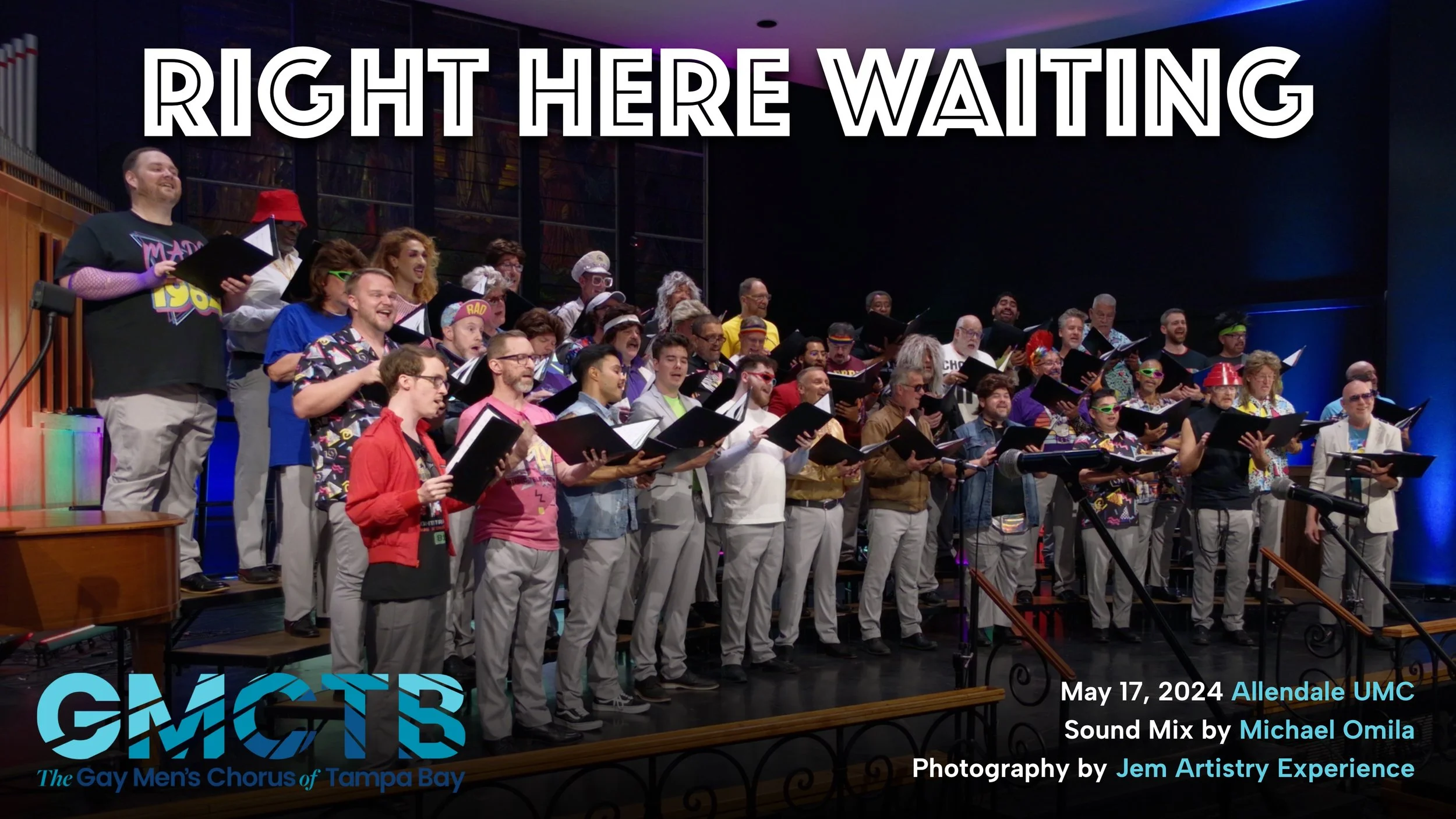
Right Here Waiting
Shaw's arrangement preserves the song's intimate emotional core while drawing out the harmonic possibilities of a male chorus. From the opening phrase, the Gay Men's Chorus of Tampa Bay treated the familiar melody with care, shaping each line to honor the song's reflective quality. Warm, rounded tone production gave the harmonies a sense of inviting fullness, while careful attention to phrasing kept the music feeling personal rather than performative.
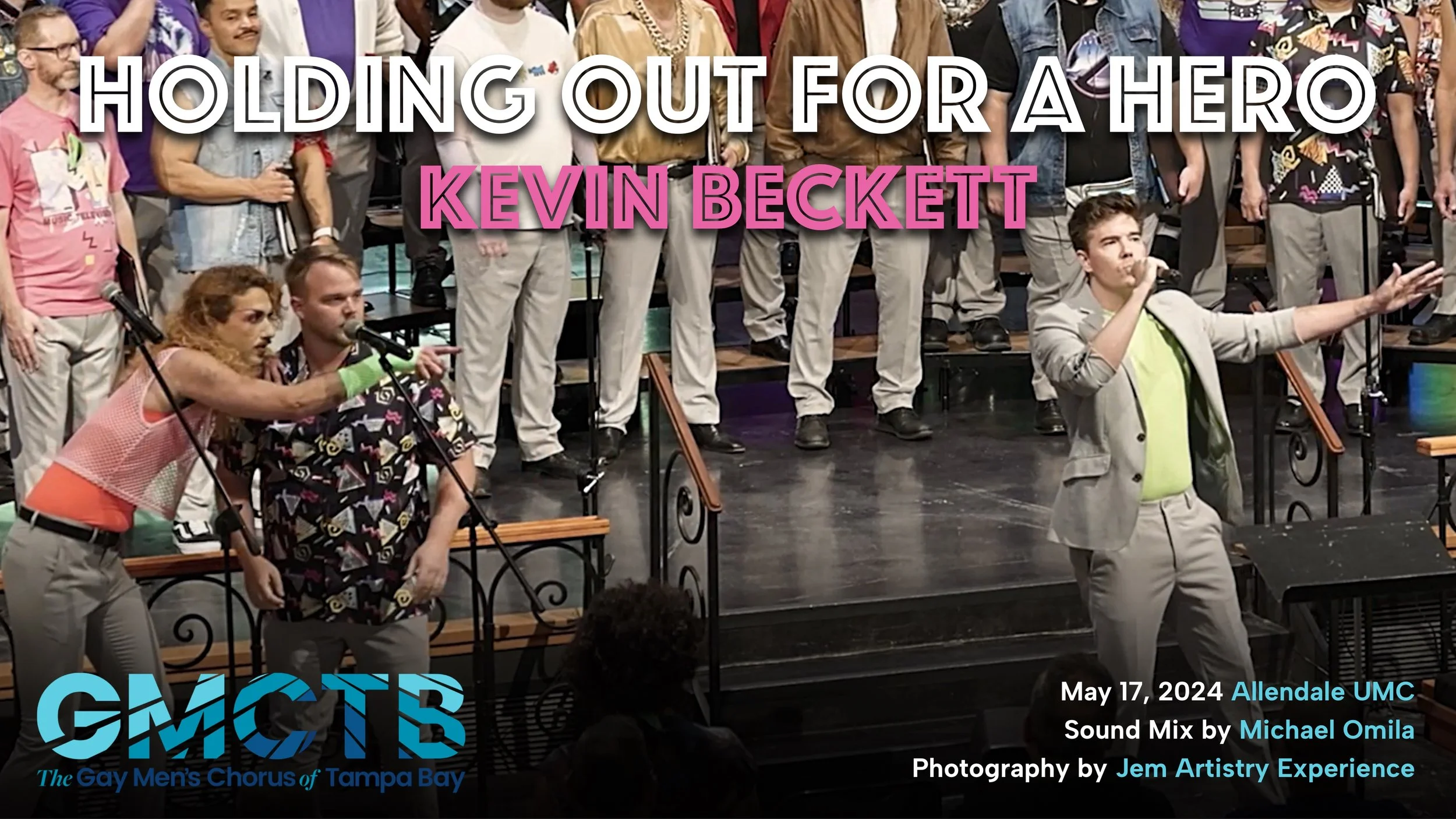
Holding Out For A Hero
The trio's vocal chemistry was a highlight. Beckett's lead remained the clear focal point, but Velasquez and Firment's contributions ensured the performance felt full and propulsive rather than thin. Subtle dynamic shifts and well-timed climactic surges kept the energy escalating, drawing the audience into the song's signature sense of breathless anticipation.

Old Time Rock & Roll
Shock approached his lead with confident swagger and a clear sense of fun, channeling the song's nostalgic appeal without slipping into mere imitation. His vocal delivery was crisp, energetic, and full of personality, anchoring the arrangement's driving rhythm and inviting the audience into a shared sense of celebration. Each phrase landed with rhythmic precision, while subtle stylistic touches kept the performance feeling fresh and personal.
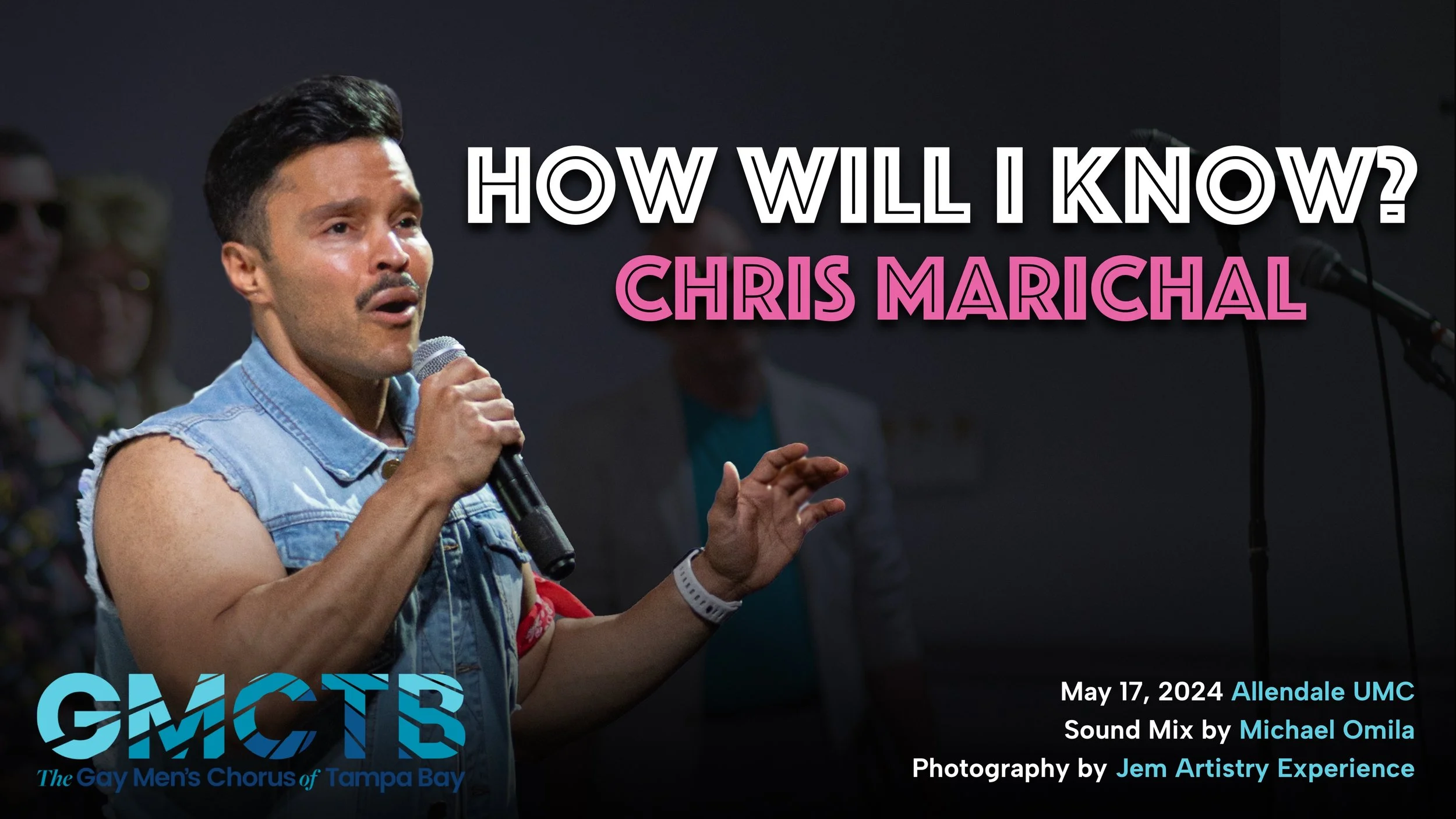
How Will I Know?
Marichal navigated the song's vocal demands with skill. The familiar melody, with its agile leaps and effervescent hooks, was delivered with crisp, expressive control. He leaned into the song's hook-driven structure without overplaying it, letting the catchy chorus do its joyful work while infusing the verses with subtle storytelling nuance. The result felt both polished and spontaneous — a sign of a performer comfortable in the spotlight.
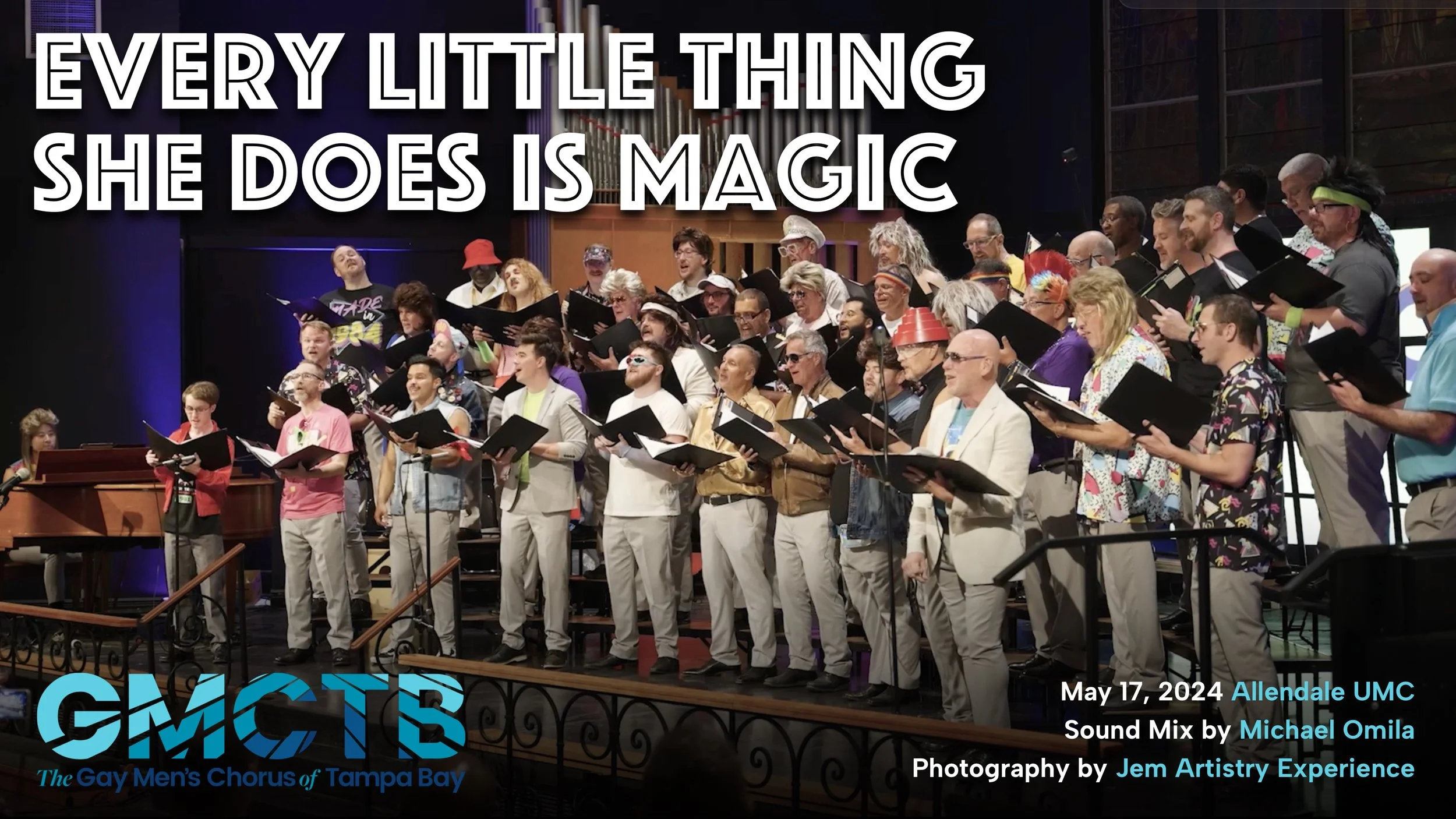
Every Little Thing She Does is Magic
The ensemble's strong sense of pulse was central to the performance's success. Gilpin's writing alternates between rhythmically intricate verses and broad, anthemic choruses, and the chorus navigated these contrasts with confidence. Clear diction allowed Sting's witty, lovestruck lyrics to come through clearly, while well-balanced harmonies gave the music its characteristic shimmer.
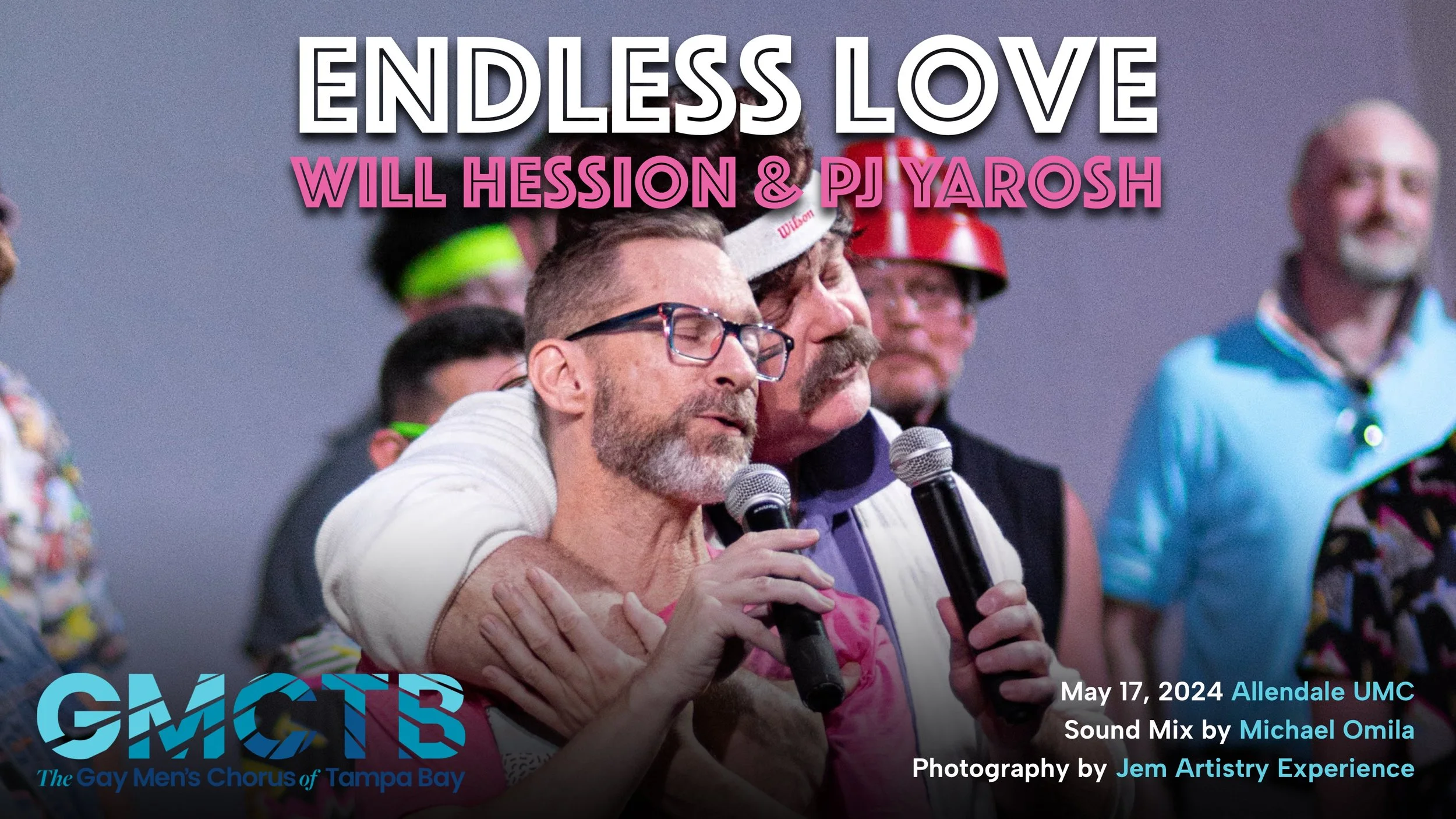
Endless Love
From the opening lines, Hession and Yarosh established a sense of musical intimacy that immediately drew the audience in. The song's signature opening melody was delivered with care and tenderness, each singer shaping the phrase with emotional clarity. Their voices, distinct in color but well-matched in approach, created a conversational quality that honored the duet's original spirit while making it feel entirely their own.
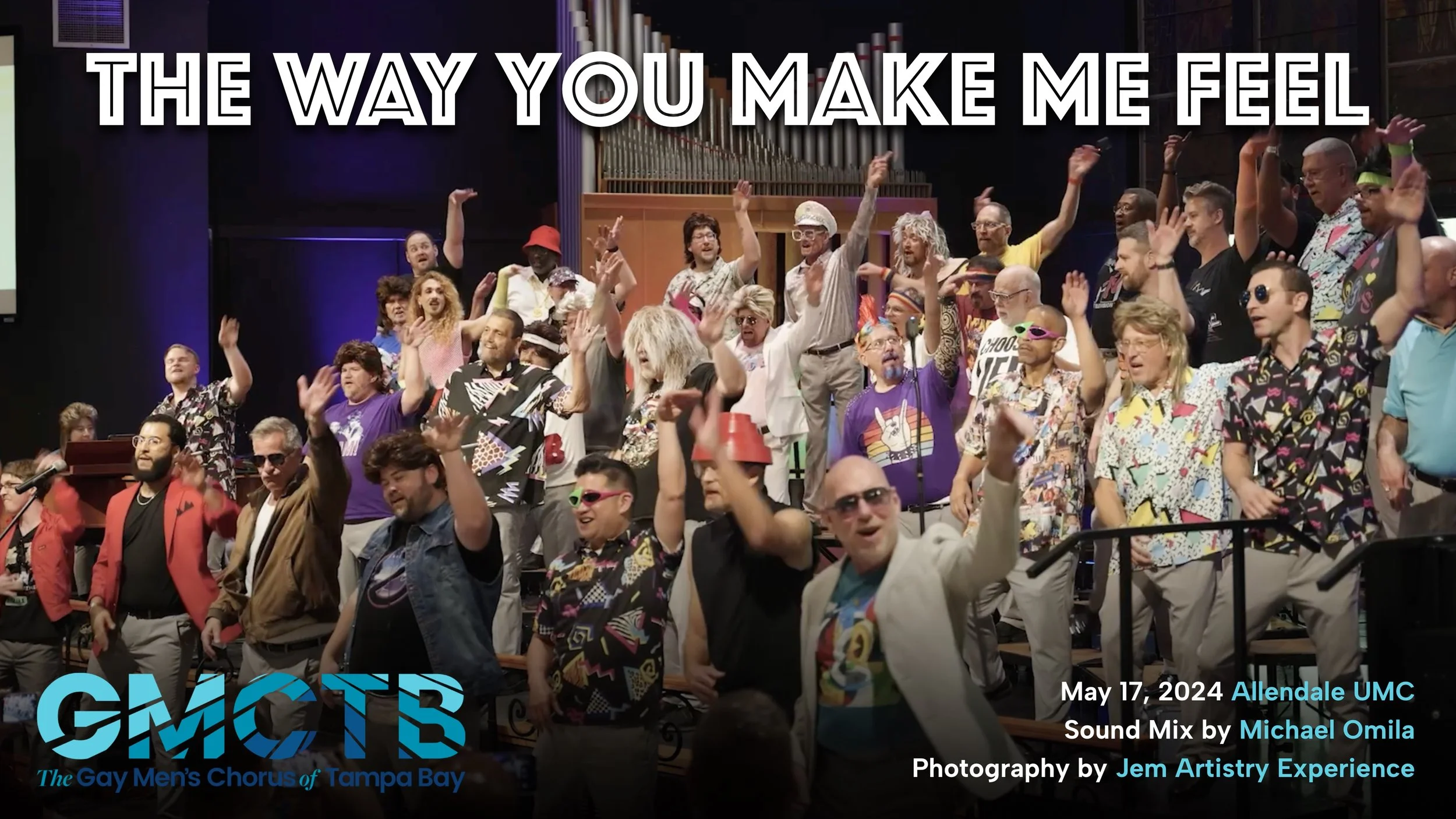
The Way You Make Me Feel
Clean blend across all sections allowed the arrangement's intricate harmonic textures to come through clearly. Inner voices supplied steady, rhythmically alive support, while upper lines carried Jackson's hook-driven melodies with the agility they require. Shaw's vocal countermelodies and rhythmic responses were rendered with both precision and personality, giving the performance a sense of conversation between sections that mirrored the call-and-response feel of the original record.
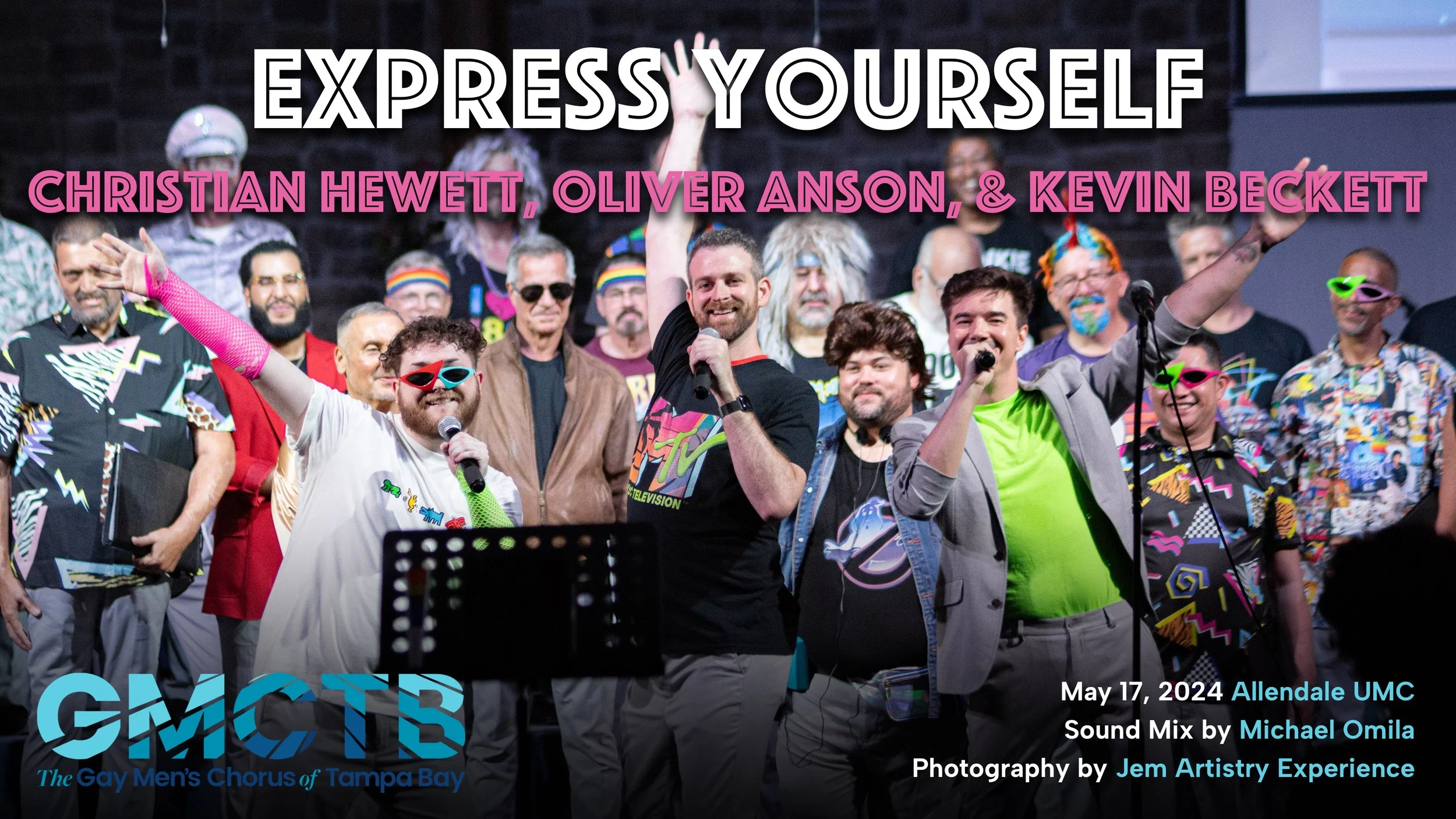
Express Yourself
Beckett and Hewett moved nimbly between the styles, capturing the funk-pop swagger of Madonna's anthem, the soulful drive of Charles Wright's original, the rap edge of N.W.A's reinvention, the empowerment-pop flair of "Born This Way", and the comedic punch of Yankovic's parody. The transitions were handled with confidence, keeping the audience engaged through every shift in tone.
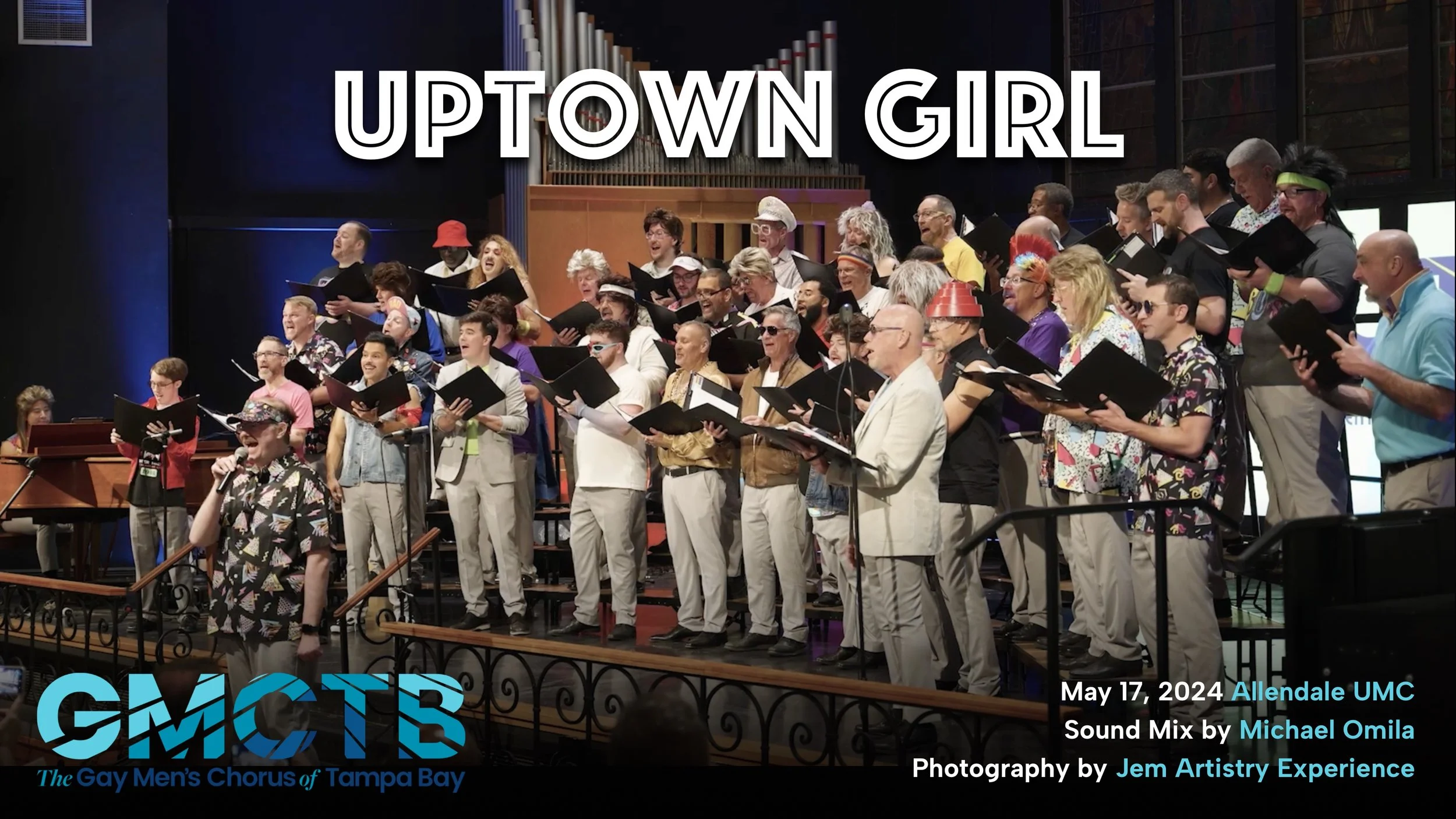
Uptown Girl
Hamilton anchored the performance with a confident, charismatic lead. His expressive phrasing captured the playful storytelling at the heart of Joel's original, while his clear, well-placed vocal delivery made the familiar tune sound both faithful and freshly personal. He leaned into the song's rhythmic swagger with ease, shaping each verse with attentive style and infusing the choruses with infectious energy.
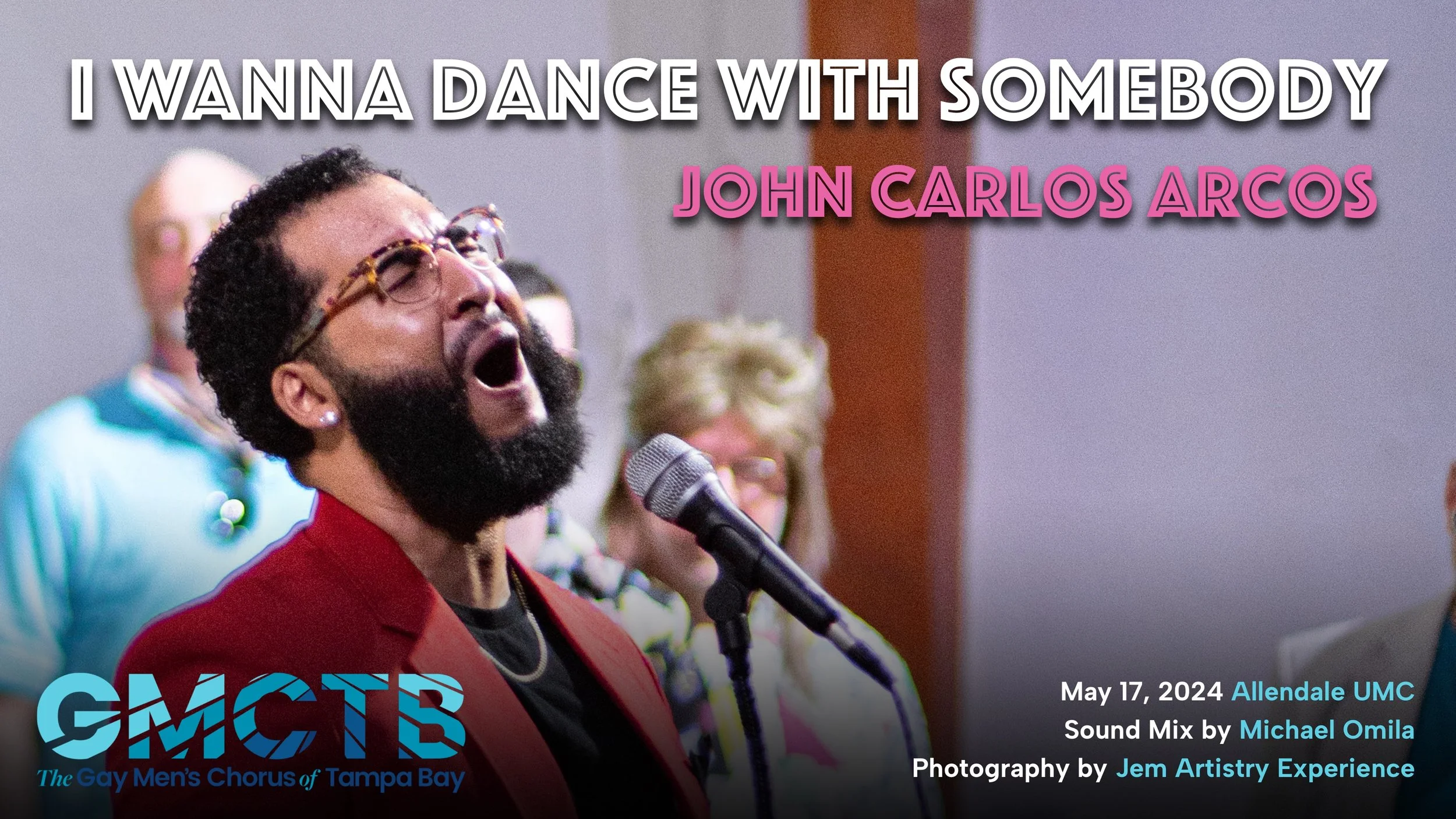
I Wanna Dance With Somebody
Arcos's performance was as much about presence as about voice. His engaging stage manner, genuine enjoyment of the song, and visible connection with the audience turned the spotlight into something close to a shared celebration. He leaned into the song's playful uptempo drive, shaping each verse with subtle storytelling nuance while letting the choruses open up into full, joyful release.
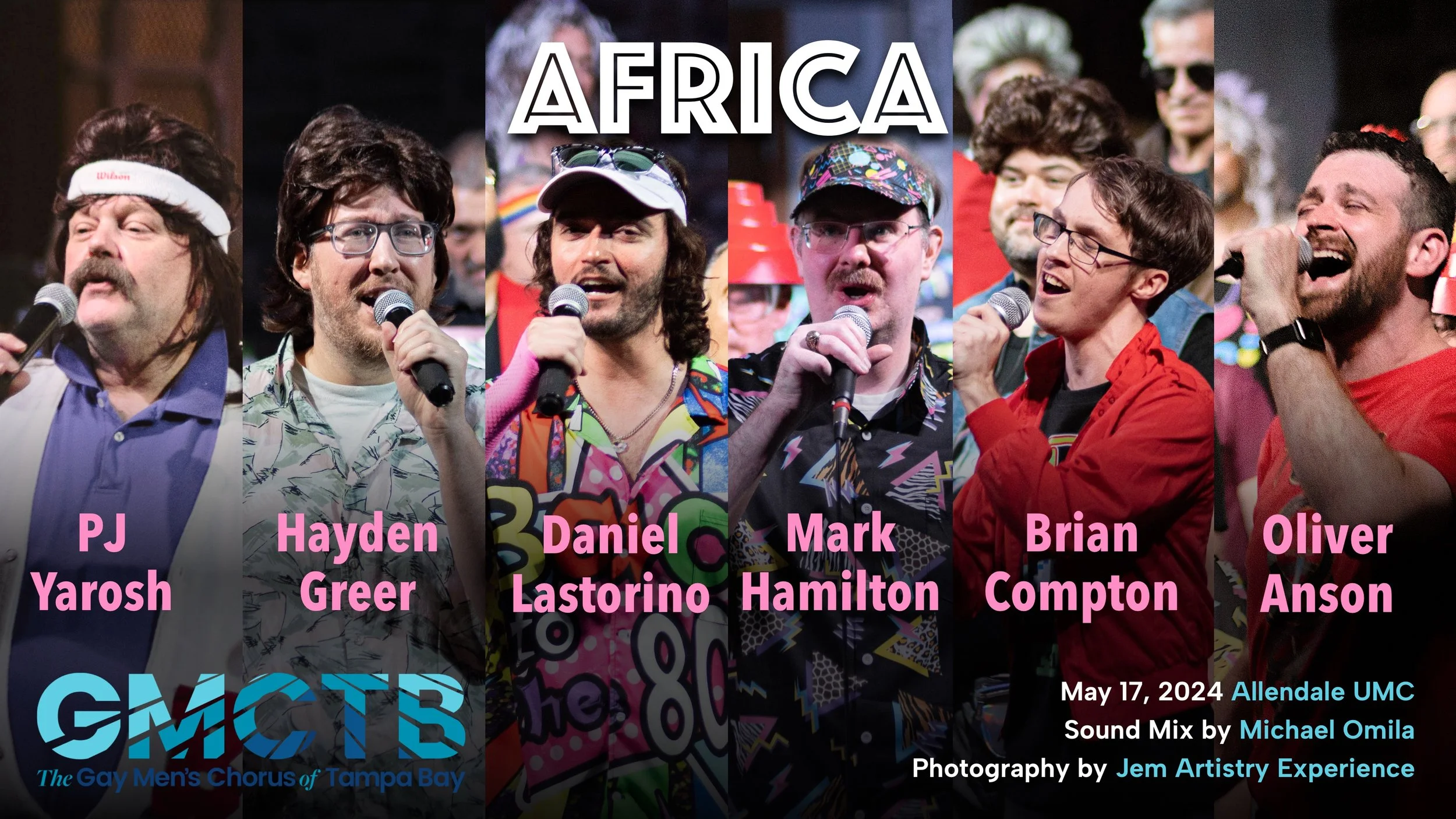
Africa
The ensemble's blend was particularly impressive given the spotlight format. With only five voices to recreate the song's famously layered choral textures, the singers leaned on careful balance, attentive listening, and confident harmonic placement to give the music its distinctive richness. Each singer contributed clear, well-defined color, while the group as a whole moved as one — a sign of strong musical chemistry and clear preparation.
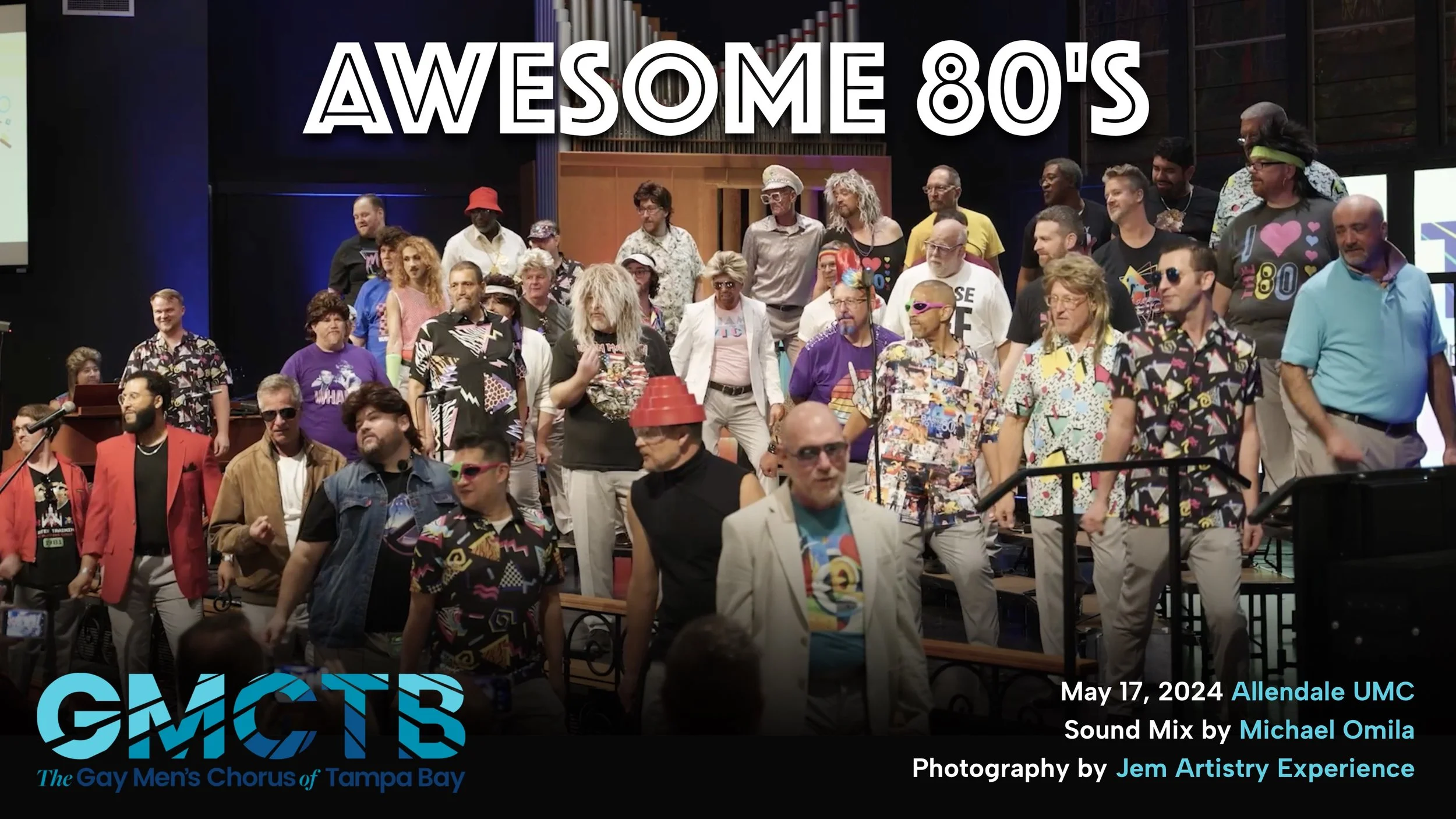
Awesome '80s
The chorus's strong ensemble unity was particularly evident in this kind of stylistically varied work. Crisp entrances, sharp rhythmic timing, and confident dynamic shifts kept the medley feeling cohesive even as it moved through different musical moods. Clean blend across all sections allowed Brymer's layered harmonies to shine, while clear diction ensured that each iconic lyric came through cleanly to the audience. Subtle theatrical touches — punchy accents, playful phrasing, well-timed pauses — added to the medley's sense of fun without ever sacrificing musical precision.