
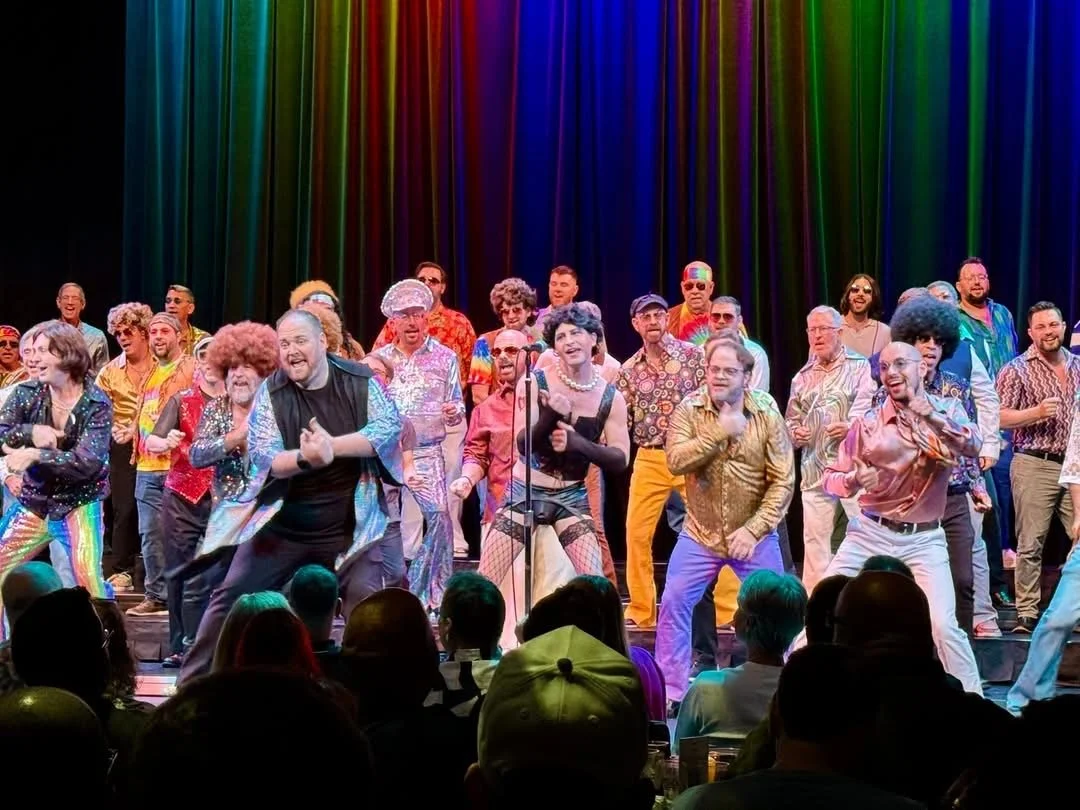
Out On the Dance Floor
Jaeb Theater – Straz Center
March 21, 2026
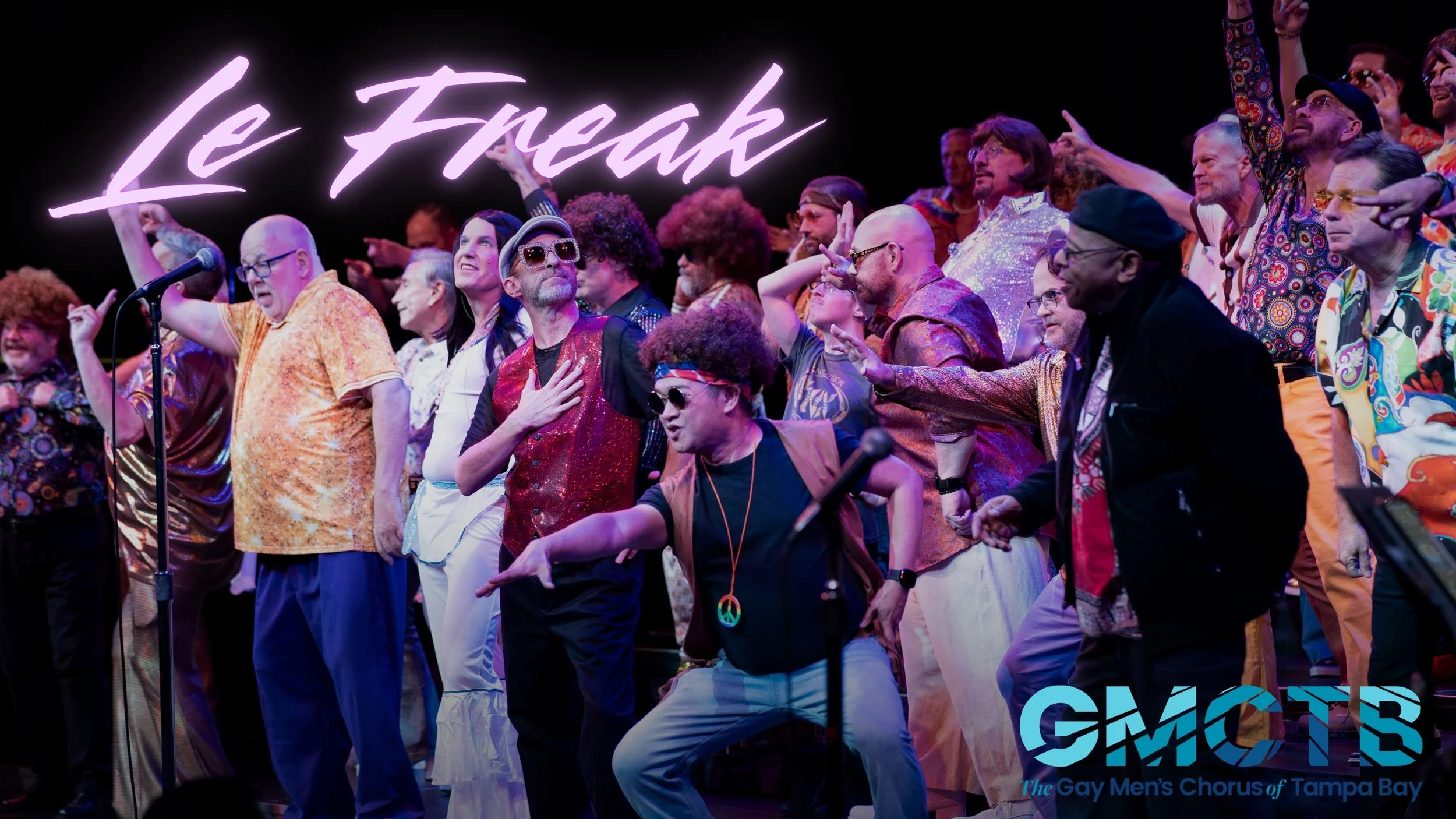
Le Freak
From the very first "Aaaahhh, freak out!" the room knew exactly what kind of night it was going to be. The chorus committed to that groove with crisp, unison entrances and tightly stacked harmonies, layering the iconic hook over a foundation that felt as steady as a metronome and as alive as a dance floor at peak hour.
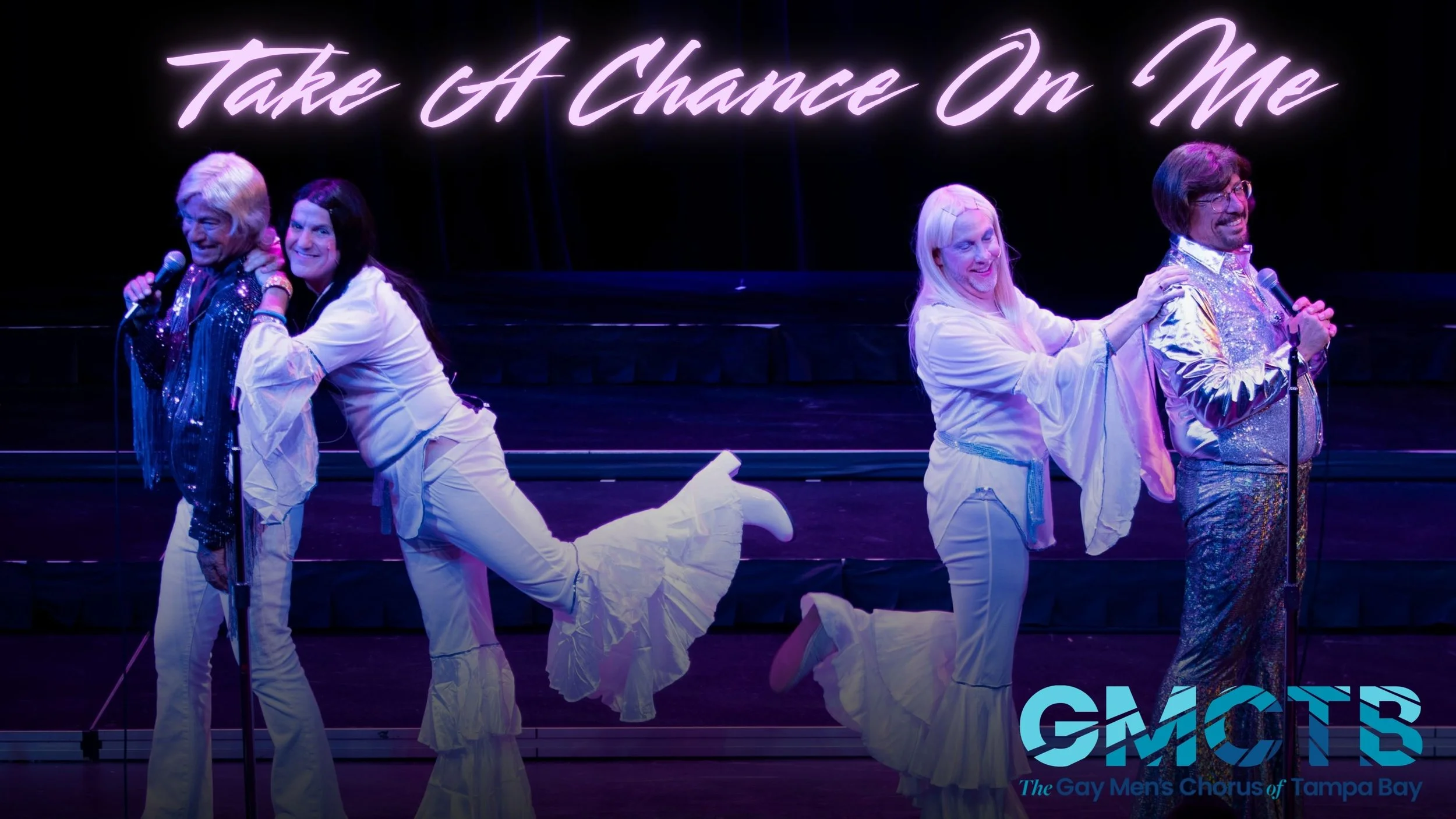
Take a Chance On Me
Maddux's arrangement gives that hook directly to the chorus, who deployed it with metronomic precision and a knowing wink. Underneath, the harmonic motion stayed close to the original's bright Scandinavian pop, with sparkling block chords on the chorus and warmer, more conversational support on the verses.
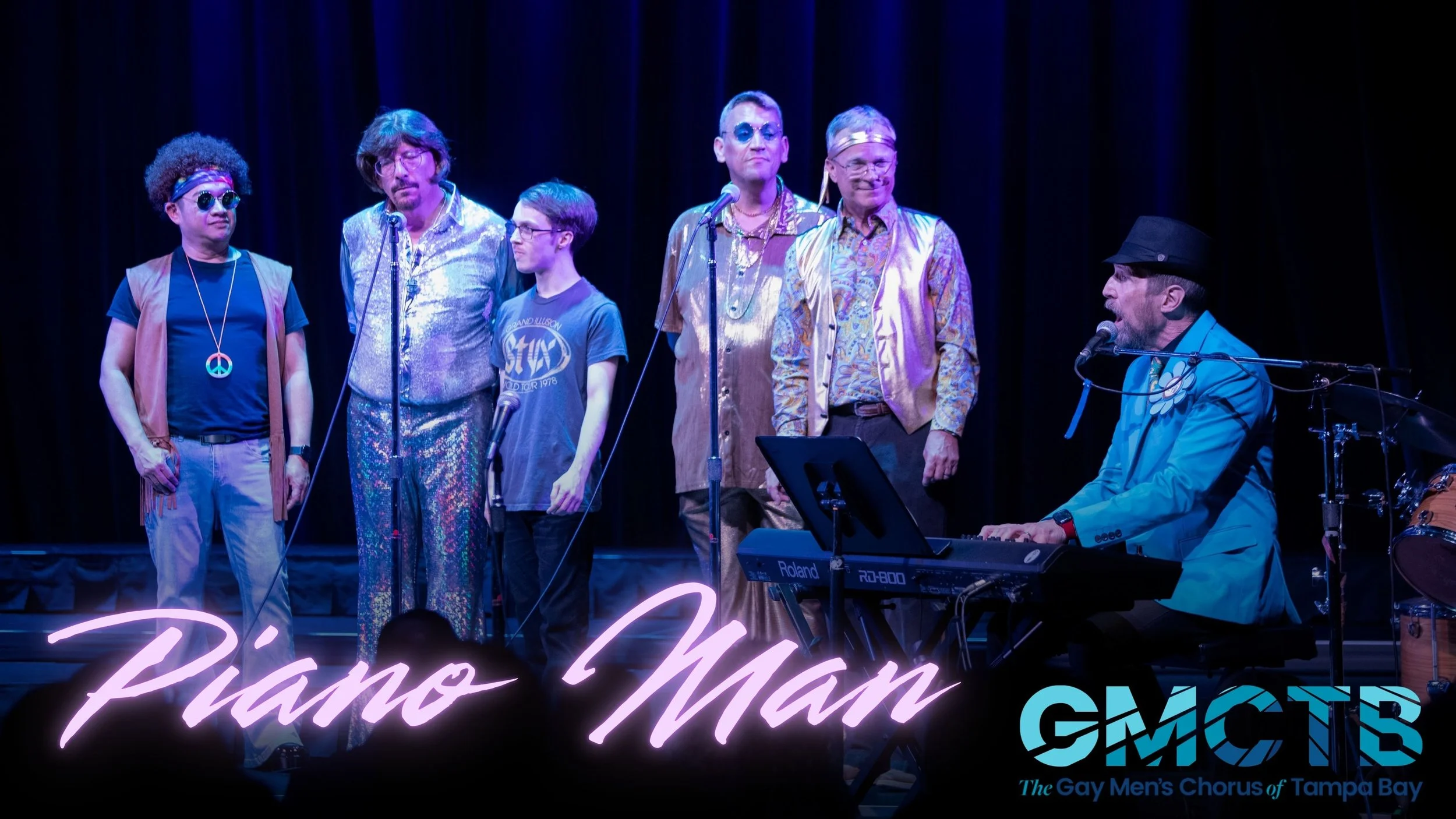
Piano Man
Shirley's arrangement is structured like a story. The opening verses sit close to the original — solo voice, sparse chordal support, harmonica figures suggested by the chorus rather than imitated. As the cast of characters in the lyric expands (the businessman, the waitress, the old man at the bar), Shirley gradually opens the texture, layering ensemble voices in to give each barfly their own musical color.
Landslide
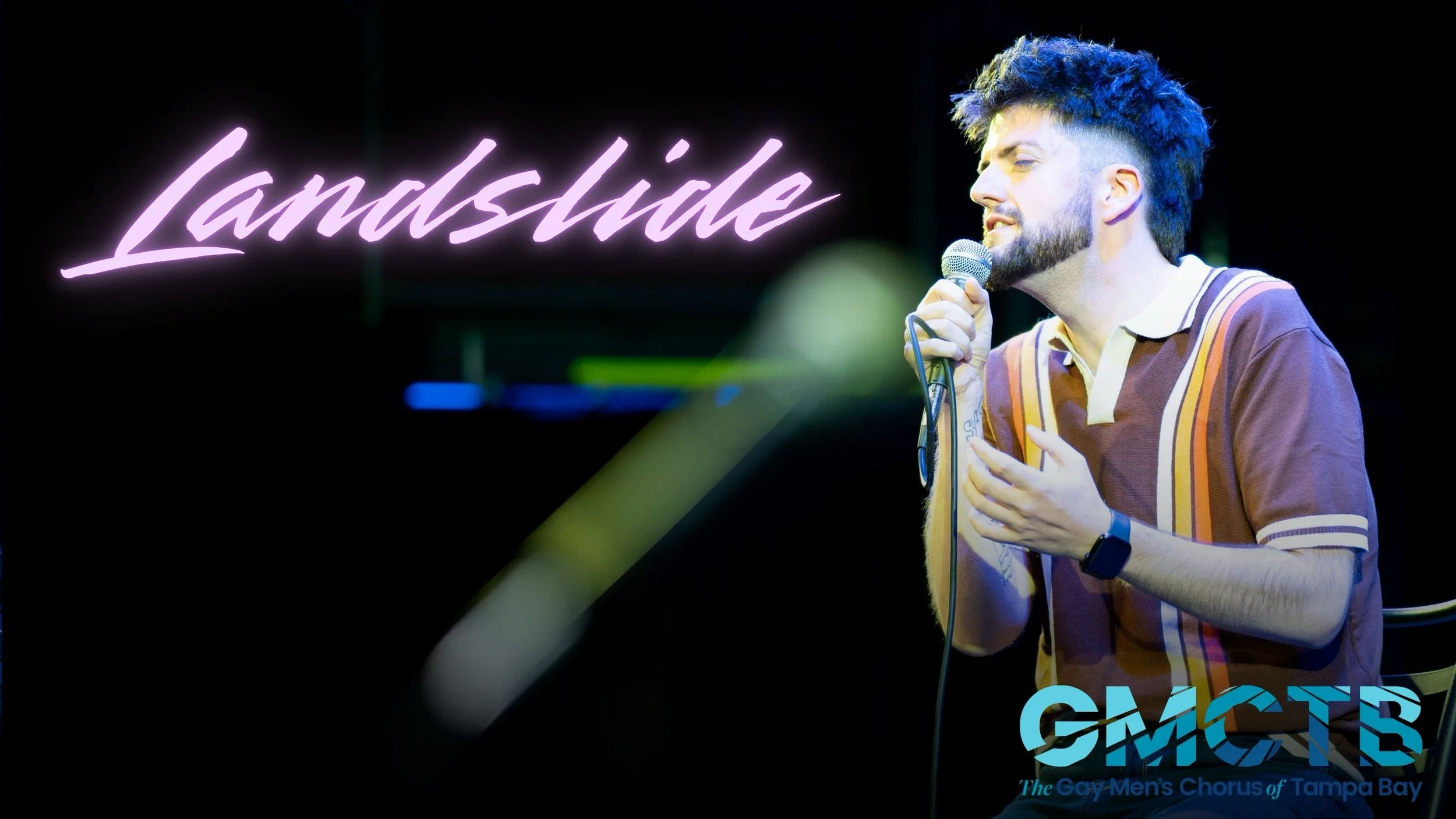
Nicks wrote it at a moment of personal crossroads, and every cover that lands does so by trusting the lyric. Gifford clearly understood this. His delivery was unhurried, intimate, and emotionally exposed without ever tipping into sentimentality. The opening lines — "I took my love, I took it down" — emerged almost as a confession, the kind you'd hear from a friend on a quiet porch rather than from a stage.
Take Me Home Country Roads
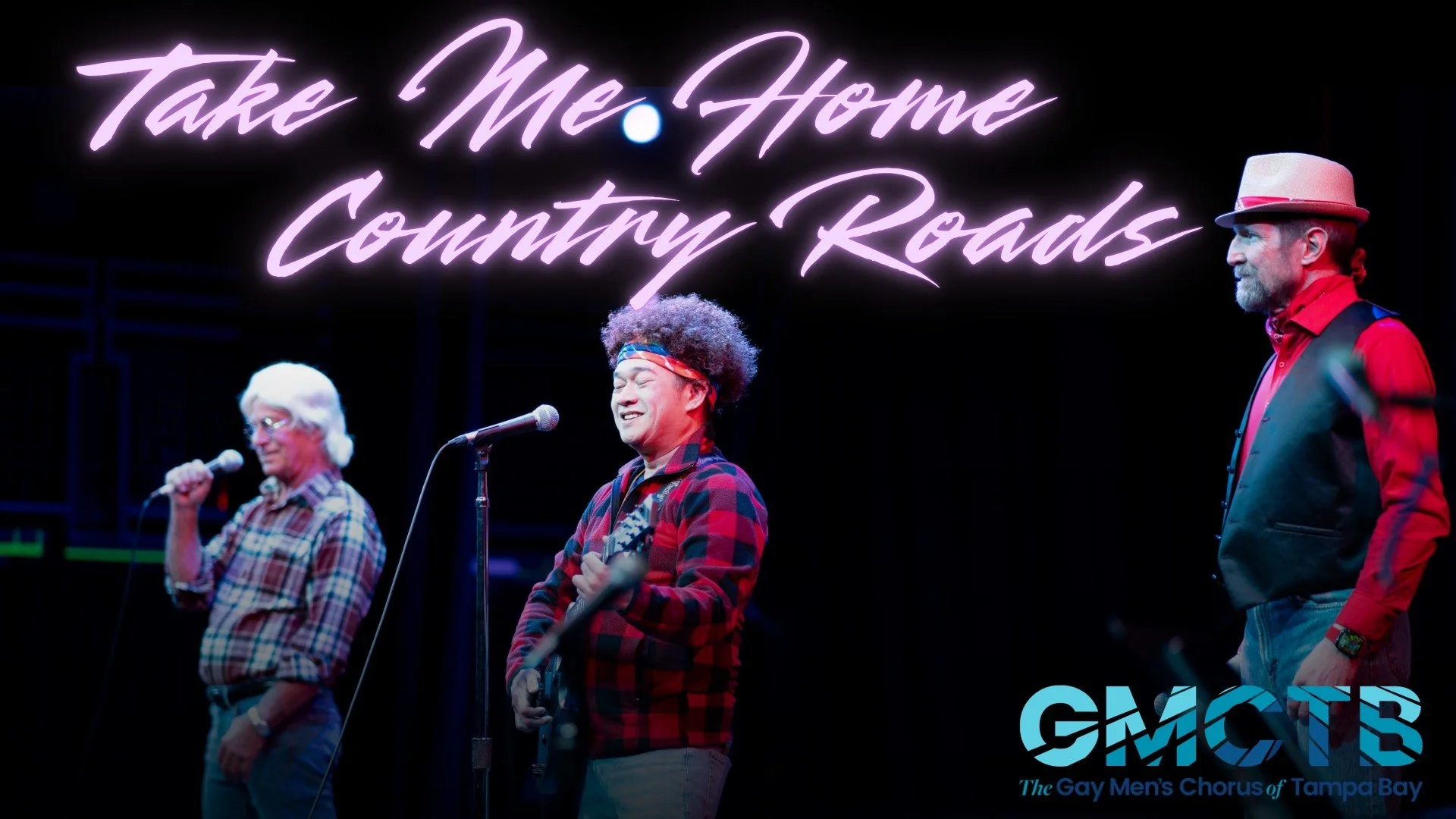
Rob opened with a relaxed, conversational delivery that set an easygoing tone; Vic joined to lift the second verse with a brighter tenor presence; and John added a third color, leaning into the song's nostalgia without overplaying it. Their blend on the trio sections was tight and gently weathered, like old friends who'd sung this together a hundred times.
A Song For You
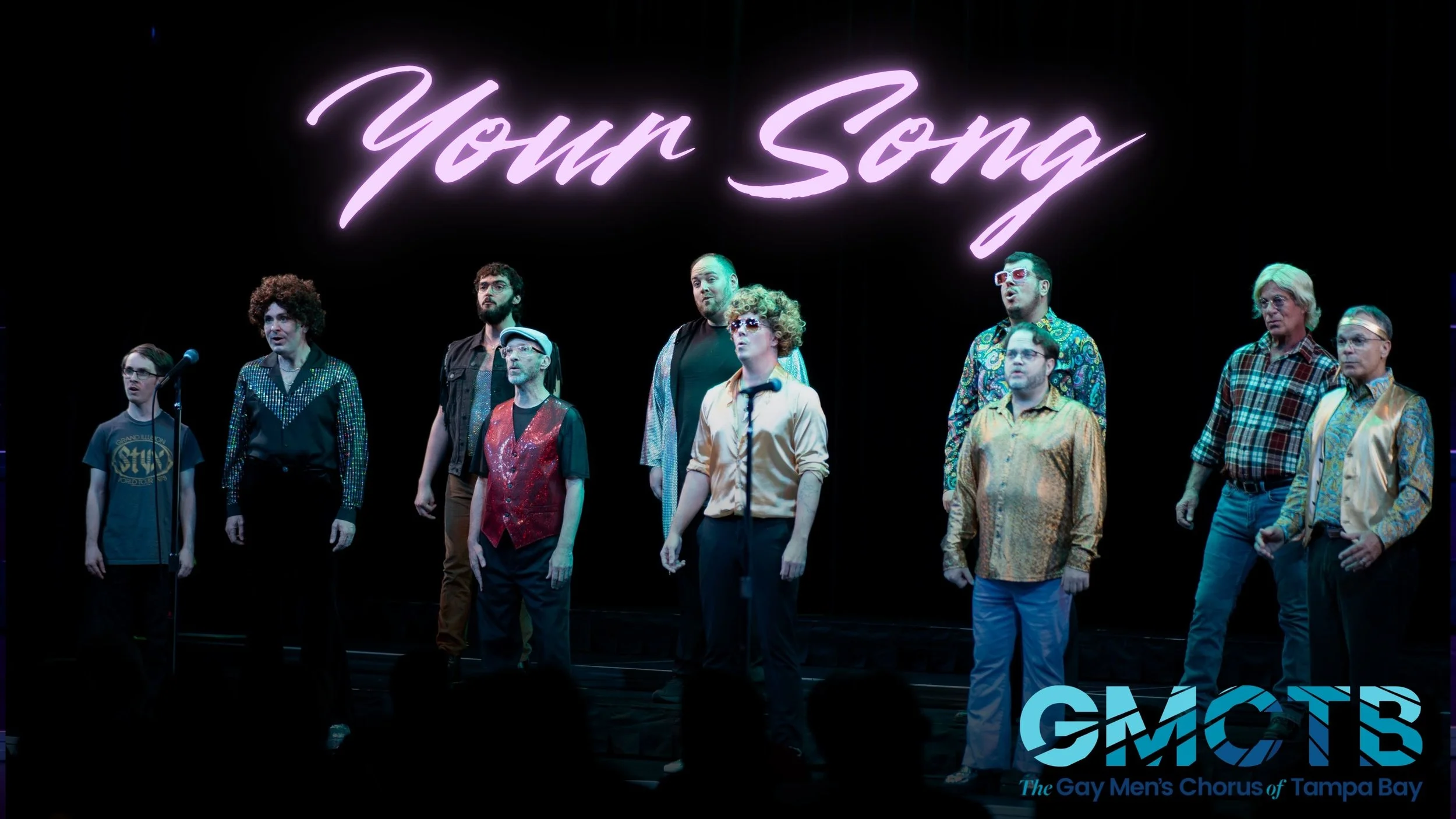
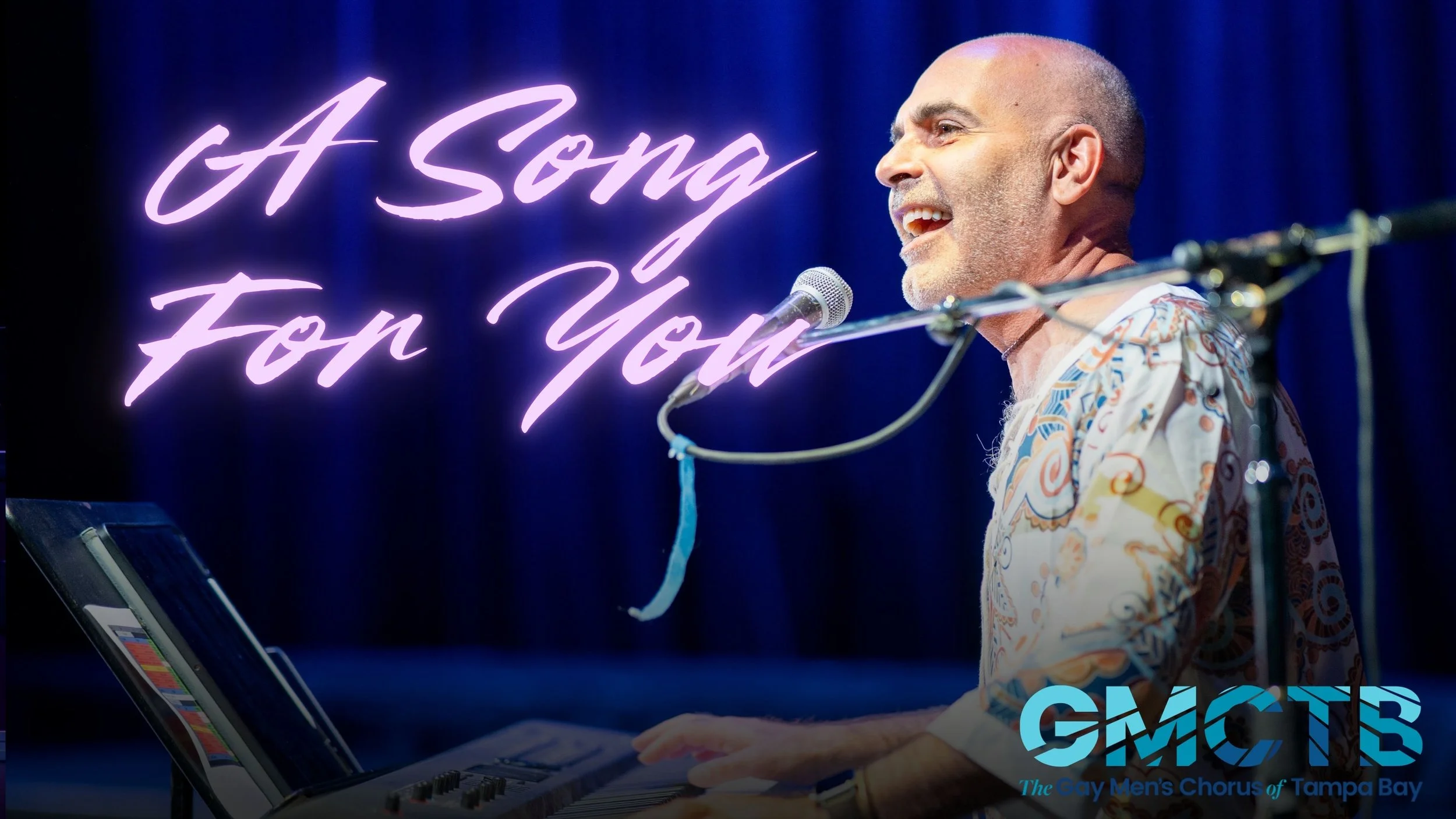
Scultori's interpretation drew clear influence from the Donny Hathaway lineage of the song, with a warm, slightly burnished tone and a willingness to sit inside long phrases without rushing them. From the opening line — "I've been so many places in my life and time" — he established an unforced sense of memory, as if the lyric were being recalled in real time rather than performed.
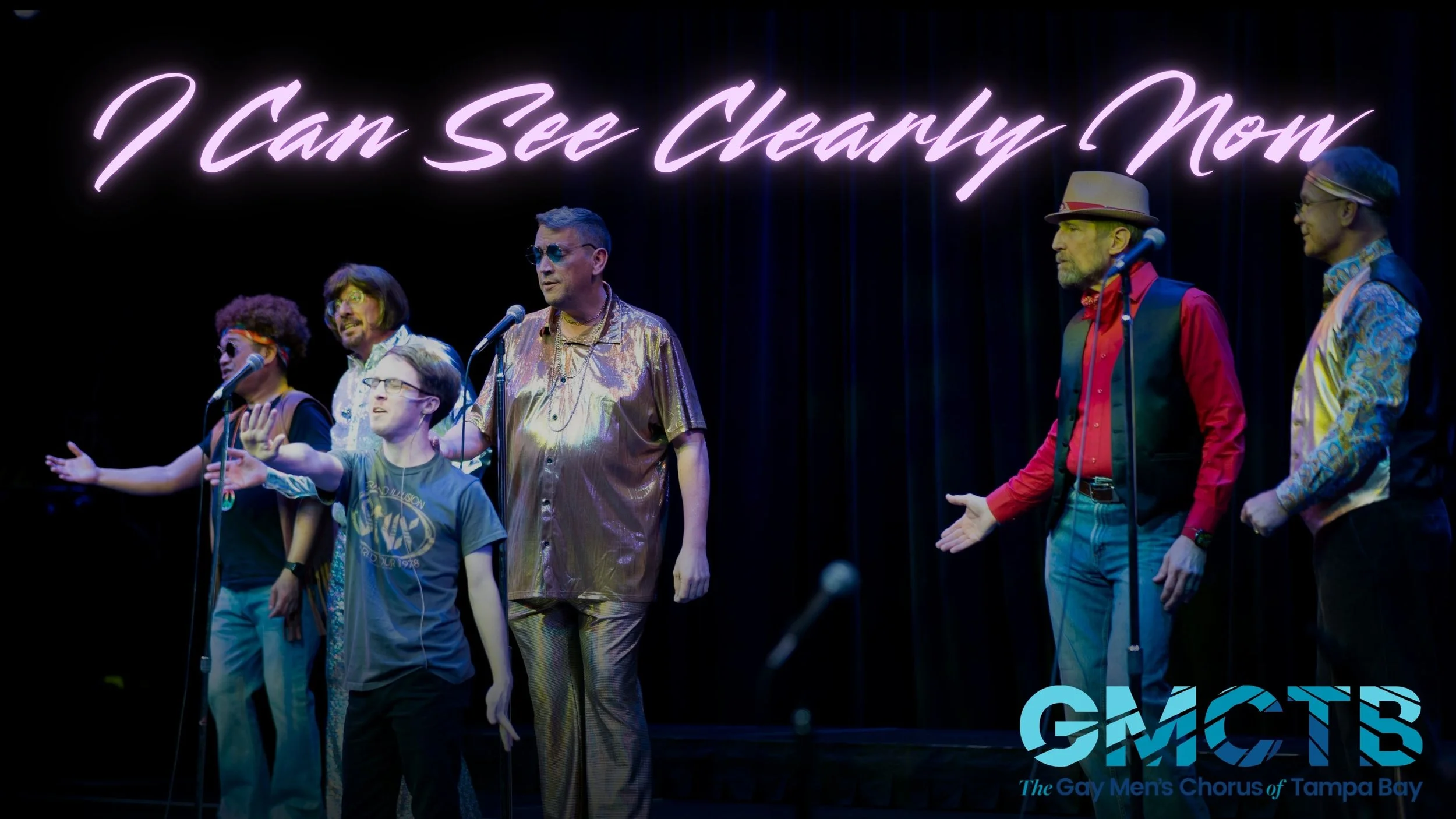
I Can See Clearly Now
Shirley's arrangement keeps the original's reggae-tinged lilt at the foundation while opening up the harmonic vocabulary across the sections. The featured ensemble — Brian Compton as the lead soloist, Jim Beaty, Brooke Byrington, Scott Lockard, Vic Omila, and Shirley himself — traded leads through the harmonies, each singer giving the lyric a slightly different emotional inflection.
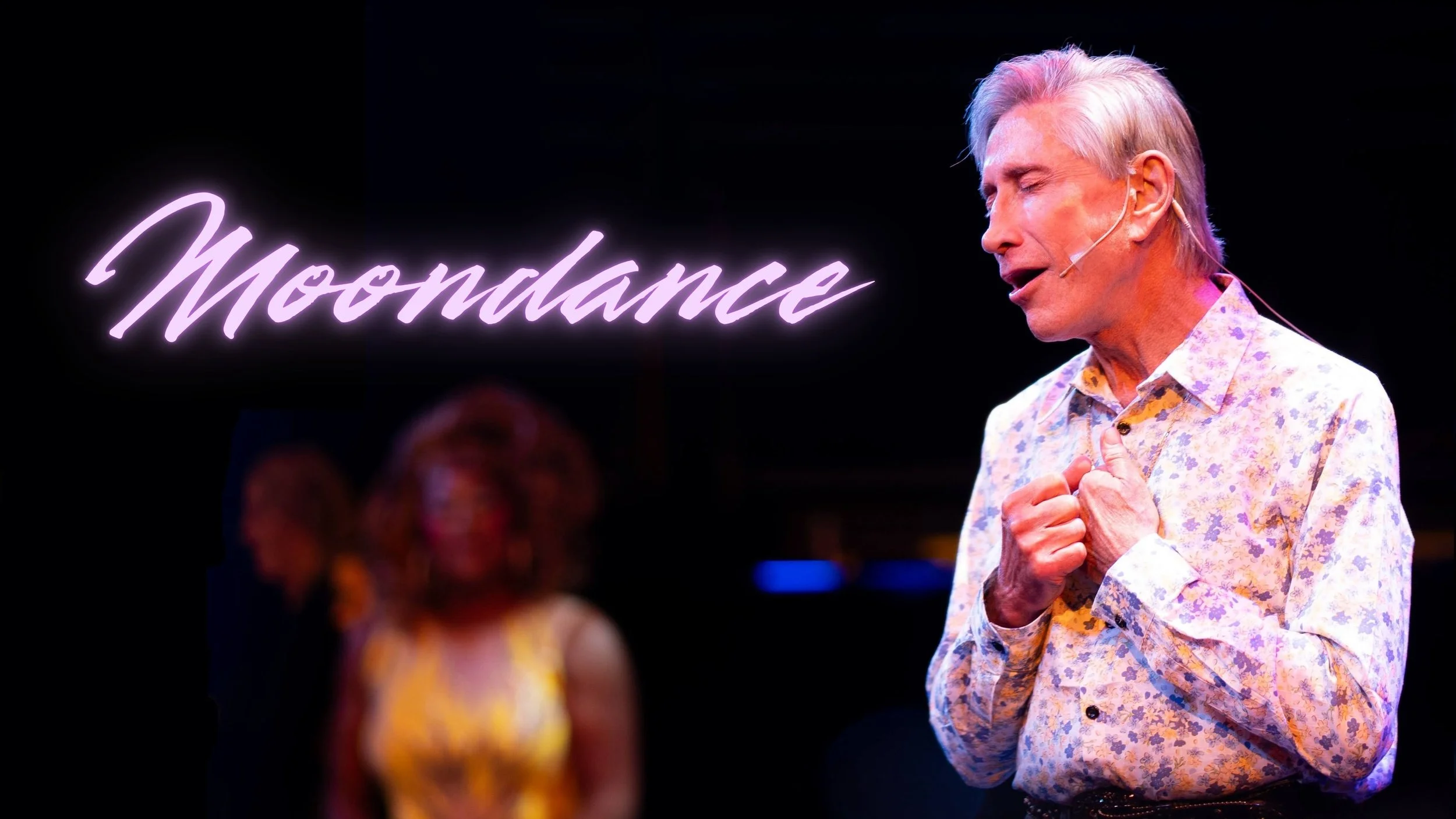
Moondance
Stein's lead was the centerpiece of the performance, and he treated the song with the loose, swung phrasing the music demands. His tone had a relaxed jazz-club quality — the kind of voice that feels at home over brushed drums and a walking bass line — and he played with the lyric's rhythmic emphasis throughout. The signature "marvelous night for a moondance" hook sat exactly in the pocket, sometimes ahead of the beat, sometimes leaning back, never square.
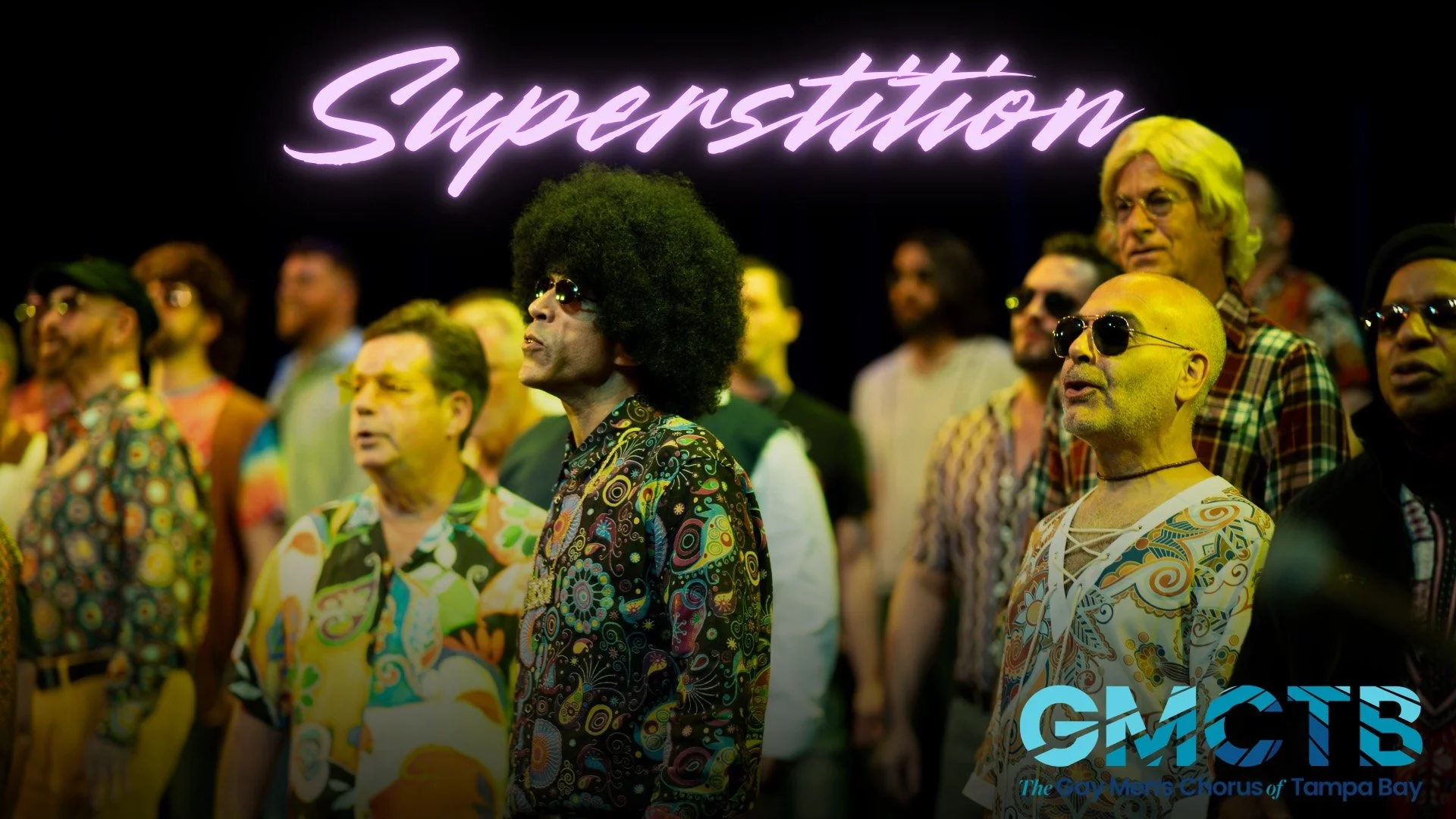
Superstition
The performance lived or died on the groove, and the chorus held it tight. Crisp sixteenth-note articulation on the verses, exact unison on the famous "very superstitious" hook, and disciplined dynamic restraint during the breakdowns all kept the energy controlled and propulsive rather than chaotic.
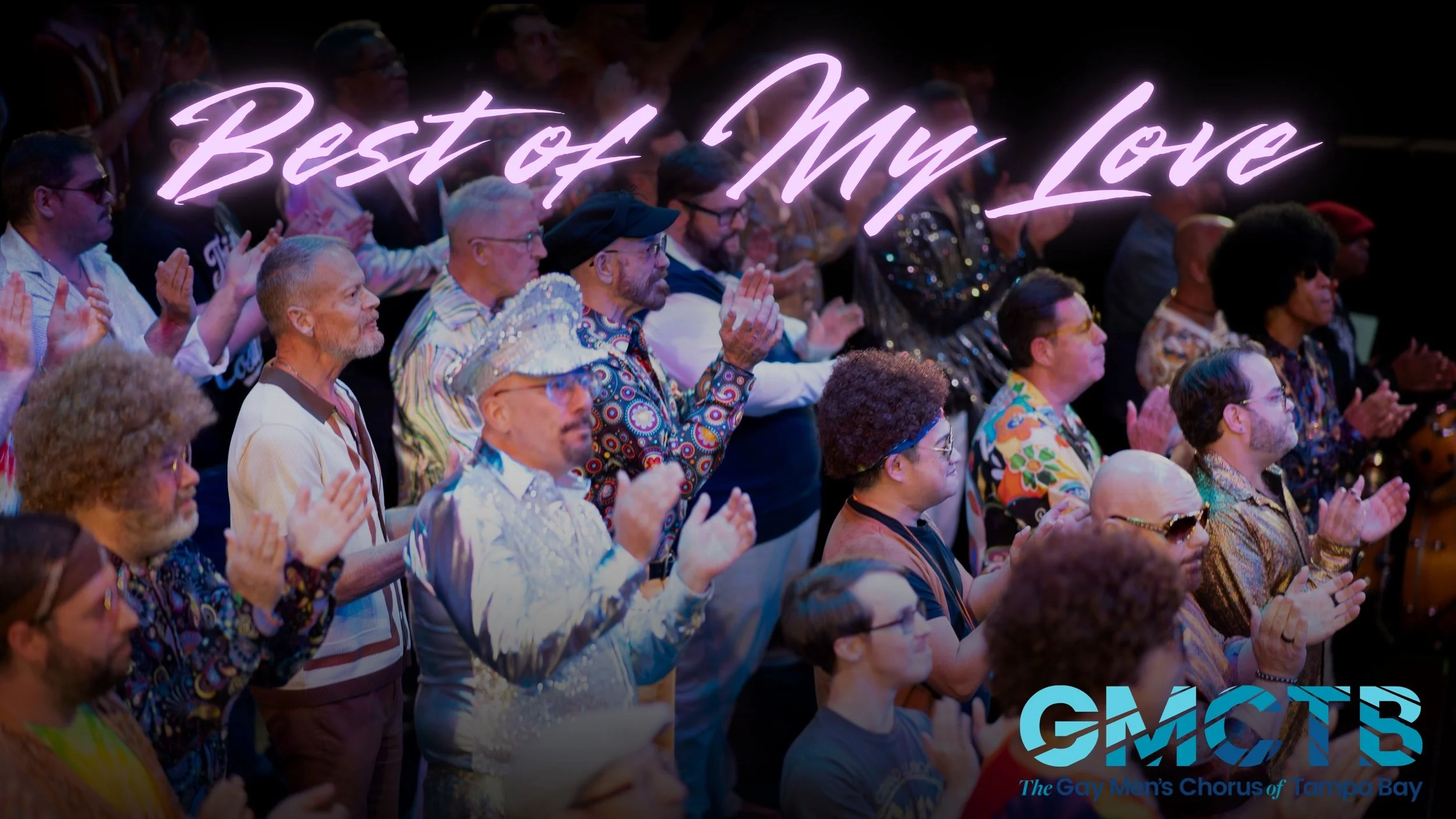
Best of My Love
What stood out most in the live performance was the ensemble's command of the song's interlocking rhythms. The famous chorus, with its rapid-fire syllabic delivery, requires absolute precision to land, and the chorus delivered it with crisp diction and unified phrasing. The dynamic shaping was smart, too — the verses sat back to give the choruses room to bloom, and the bridge built tension through controlled crescendo rather than sheer volume.
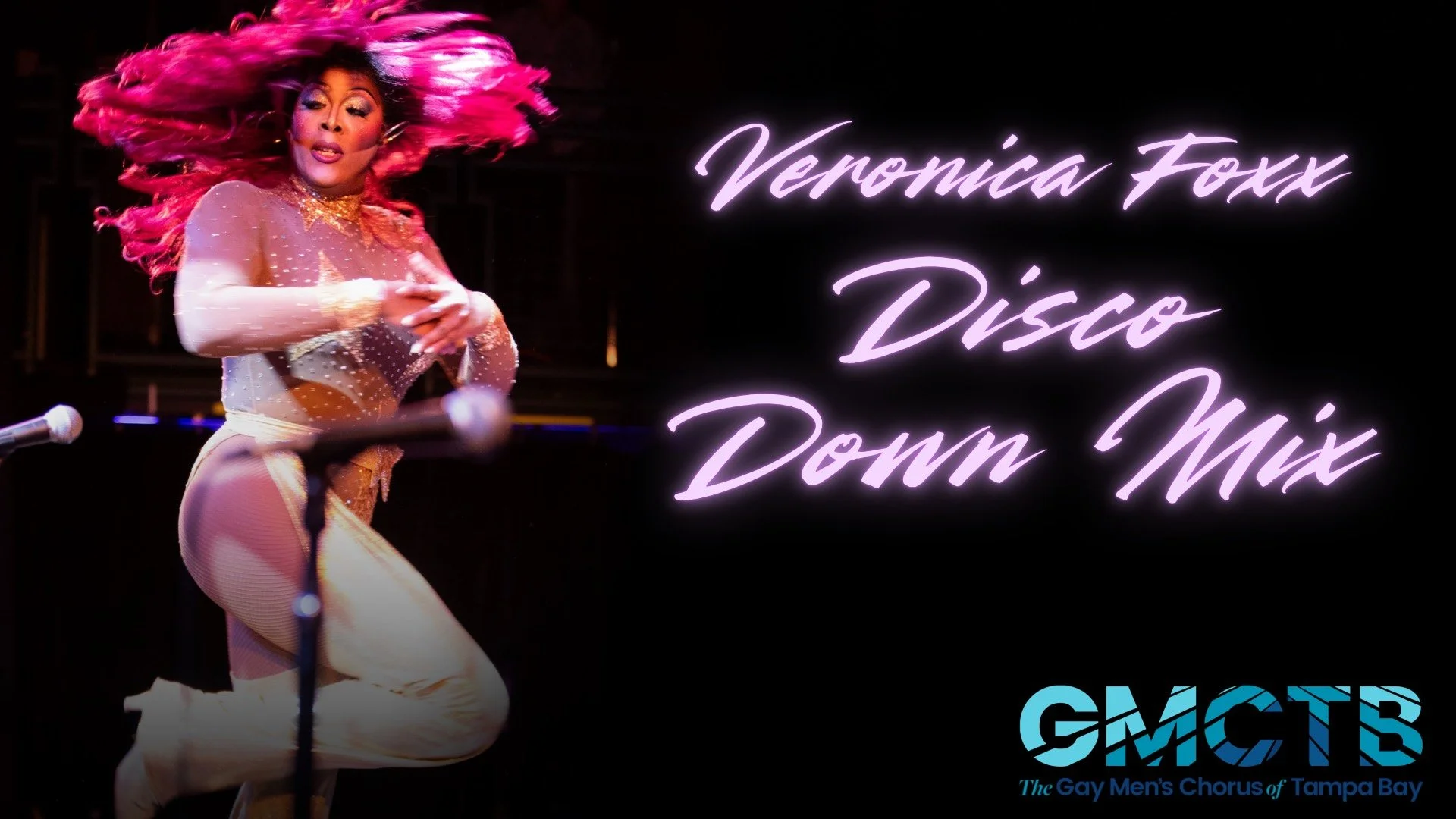
Disco Down Mix
Foxx commanded the room with a theatrical, unerring sense of rhythm, every gesture and mouthed lyric landing exactly on the beat. The transitions she had stitched into the track were tight and motivated, letting her ride the genre shifts without breaking character. Her drag presence — the looks, the attitude, the precise physical storytelling — turned each song change into its own scene, amplifying the music rather than competing with it.
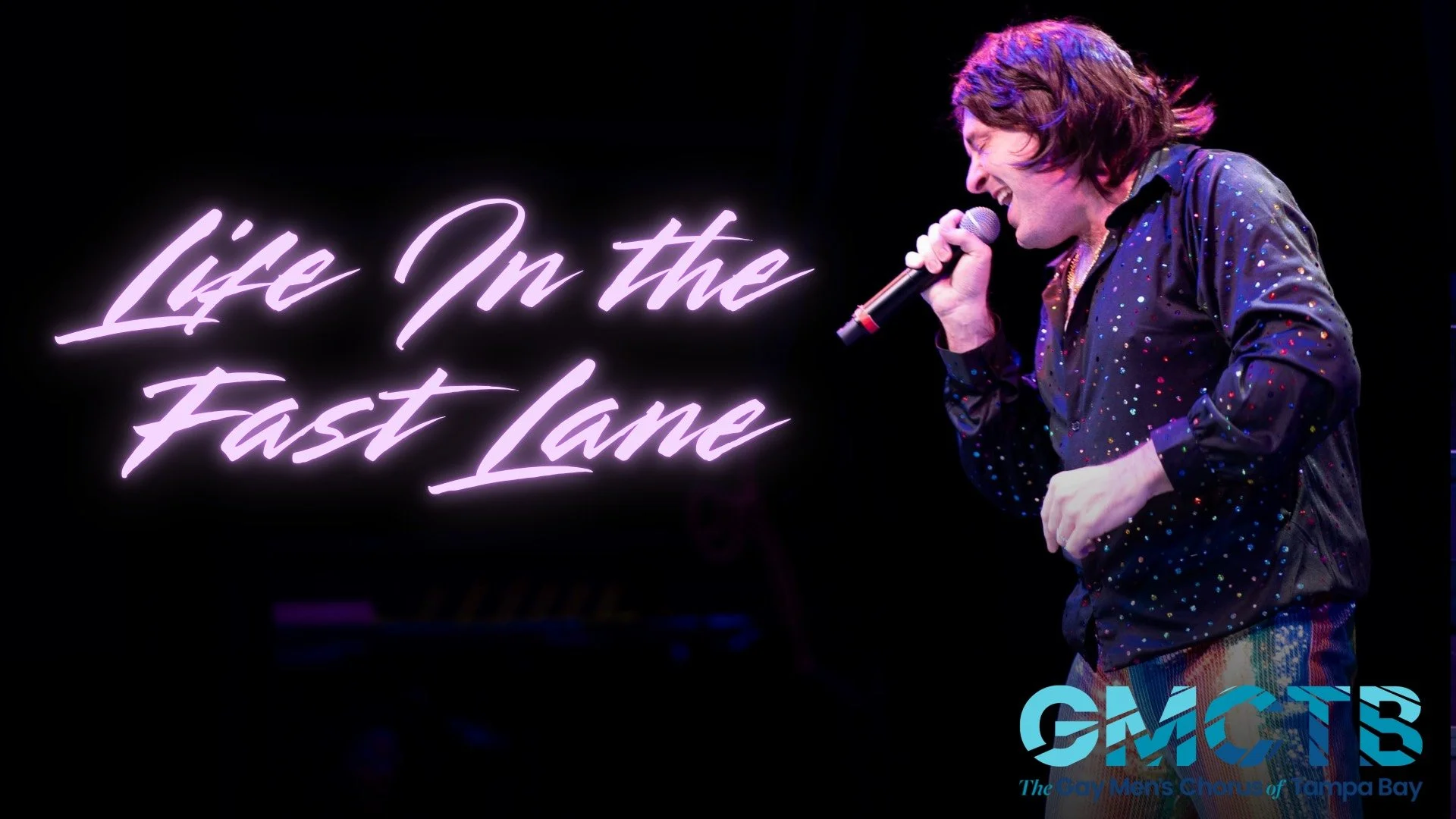
Life in the Fast Lane
Smith-Rollins's lead vocal balanced the song's two opposing energies — the swagger of the music and the cautionary tone of the lyric — with a confident, slightly weathered delivery. He leaned into the rhythmic pocket, giving each line a sense of forward momentum, and he understood when to sit back and let the iconic riff do the work. His phrasing on the chorus had real grit, with just enough vocal edge to honor the song's rock origins without forcing it.
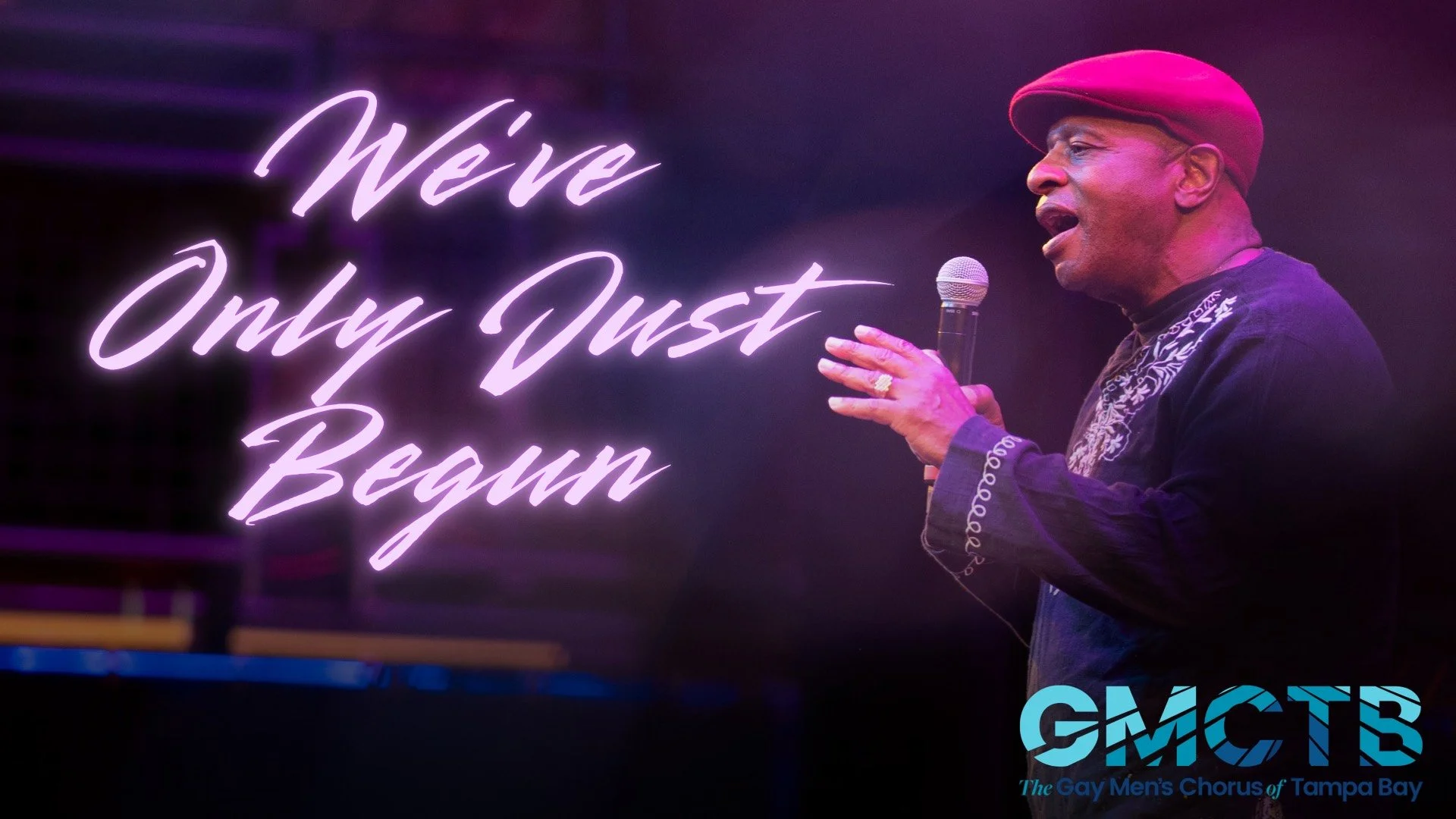
We've Only Just Begun
The Carpenters' original is built around Karen Carpenter's effortless, conversational alto, and Webster-English honored that approach with his own warm, unembellished baritone. He resisted the temptation to add ornament where ornament wasn't needed, instead letting Williams's gentle lyric — "white lace and promises... a kiss for luck and we're on our way" — do the emotional work. His phrasing was unhurried throughout, with breaths placed where they amplified meaning rather than where the music technically allowed them.
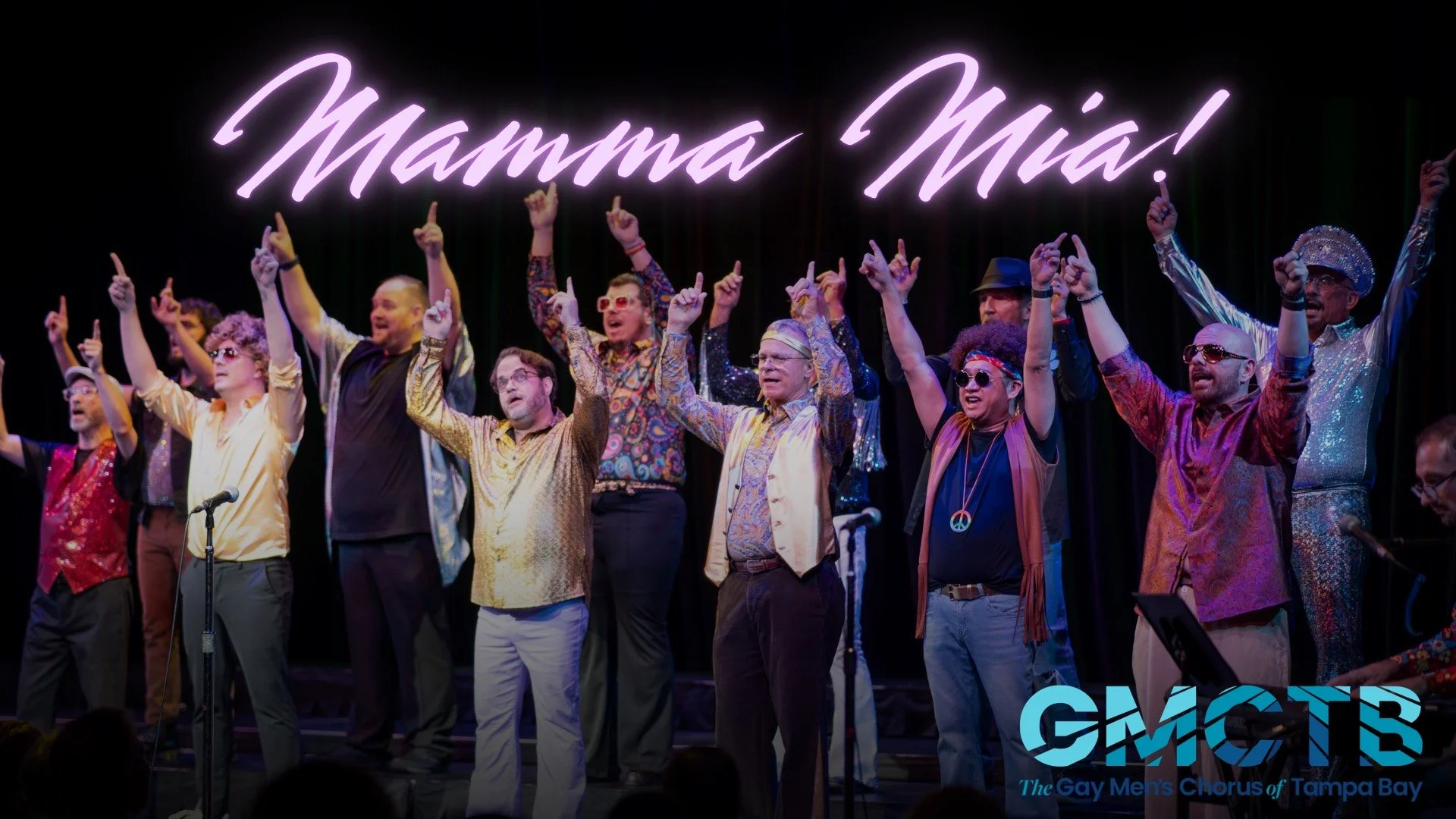
Mamma Mia!
Rainbros approached "Mamma Mia" with the snap and intimacy of a small vocal group that knows each other well. The opening marimba-style figure was passed between voices in tight imitation; the verses were traded with theatrical timing; and the choruses bloomed into the kind of close-stacked harmony that small ensembles do better than anyone.
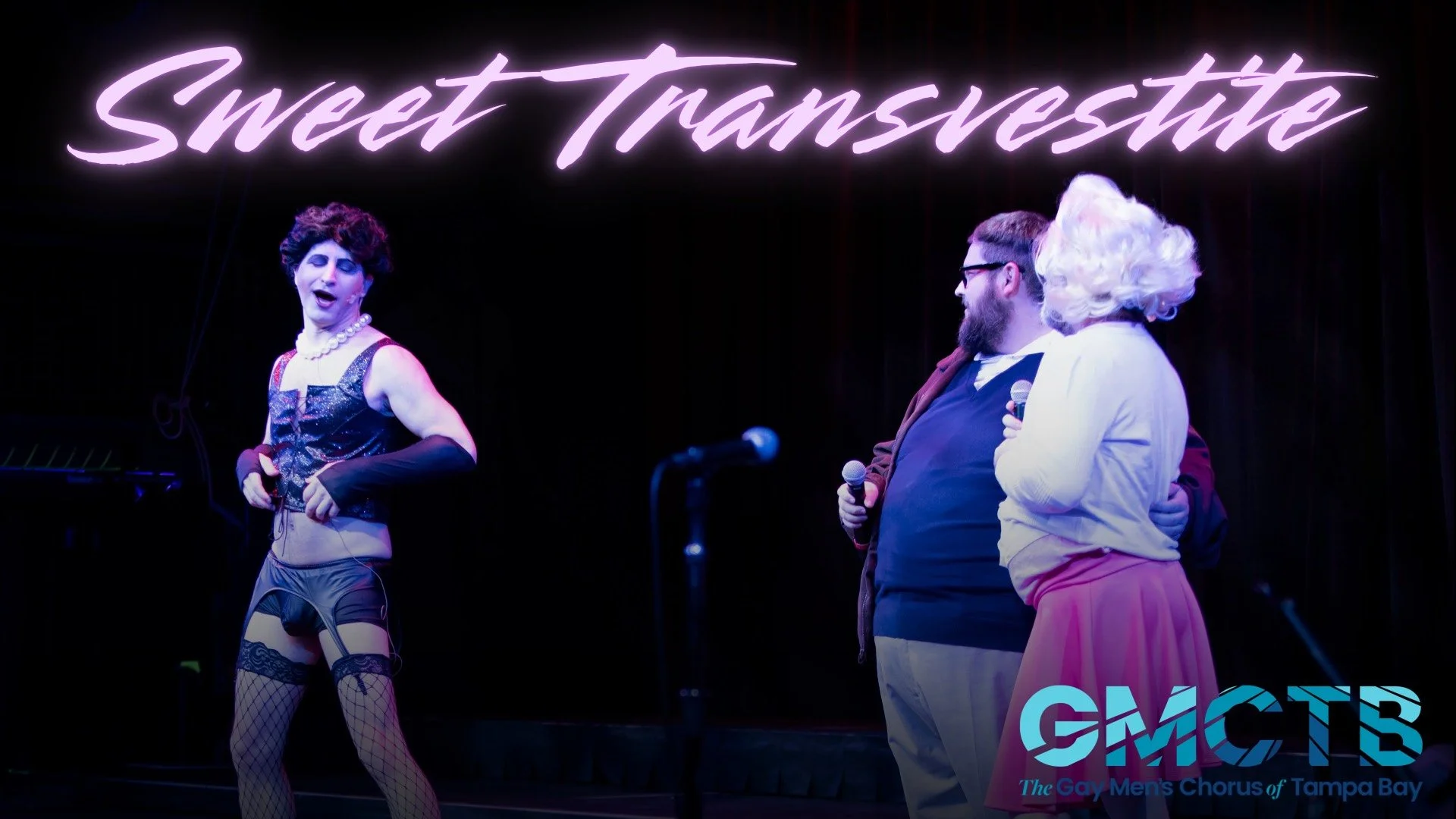
Sweet Transvestite
Shock took the central role with theatrical conviction, embodying Frank-N-Furter's swagger and seductive command without slipping into impersonation. His phrasing was confident and rhythmically precise, carrying the song's distinctive mix of camp and threat. Dragoste and Seguin played Brad and Janet — with the kind of comic timing that makes a Rocky Horror number land for an audience that almost certainly knows the lyric better than the performers do.
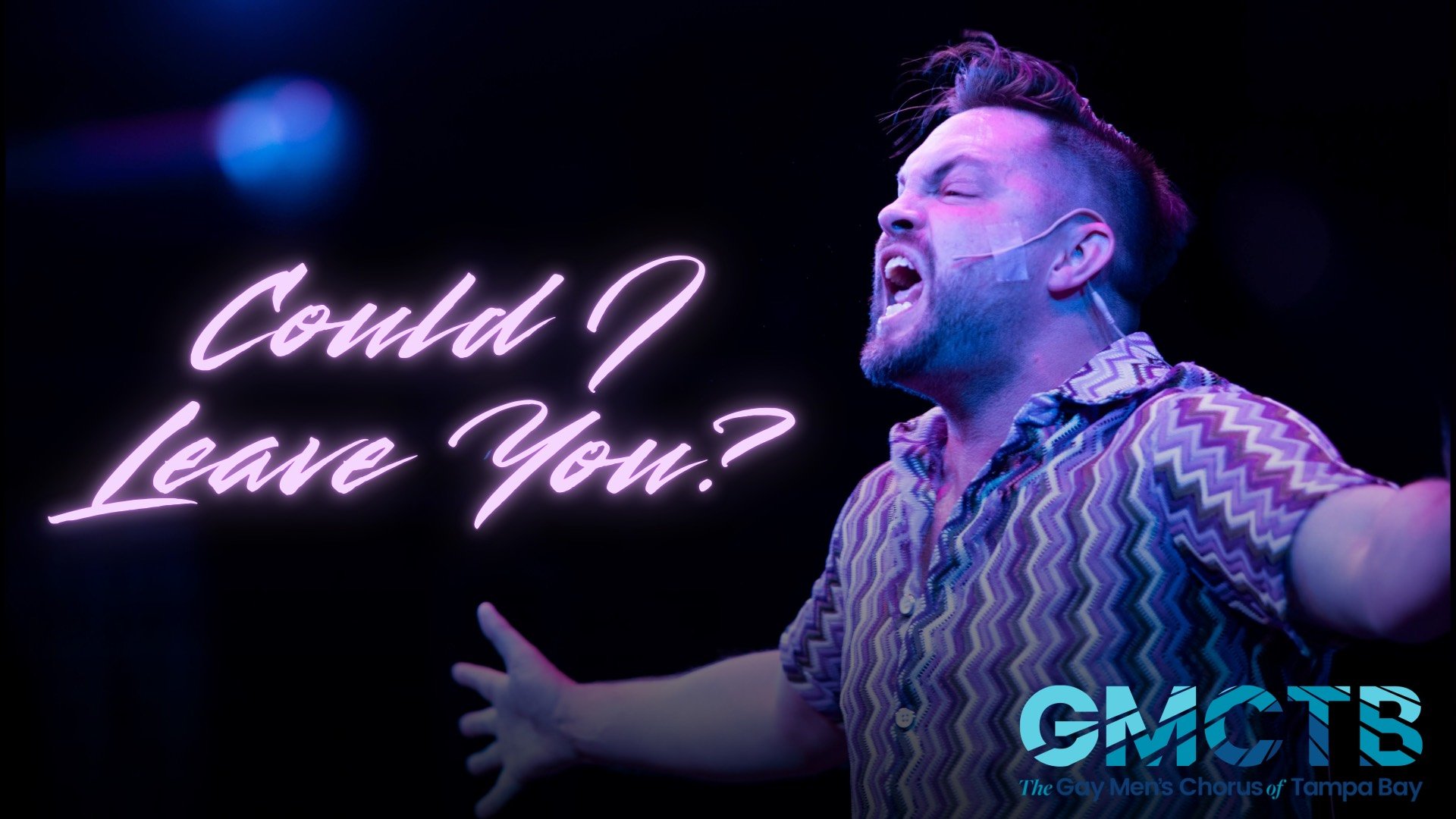
Could I Leave You?
Sondheim's score requires equal parts vocal control and dramatic intelligence, and Carpenter brought both. The opening lines — falsely sweet, almost conversational — were delivered with a knowing edge, setting up the song's escalating sarcasm. As the lyric peeled away its layers, moving from politeness to grievance to scorched-earth honesty, Carpenter's vocal calibration kept pace exactly. Each "Could I leave you?" arrived with a slightly different inflection, mapping the character's evolving conclusion in real time.
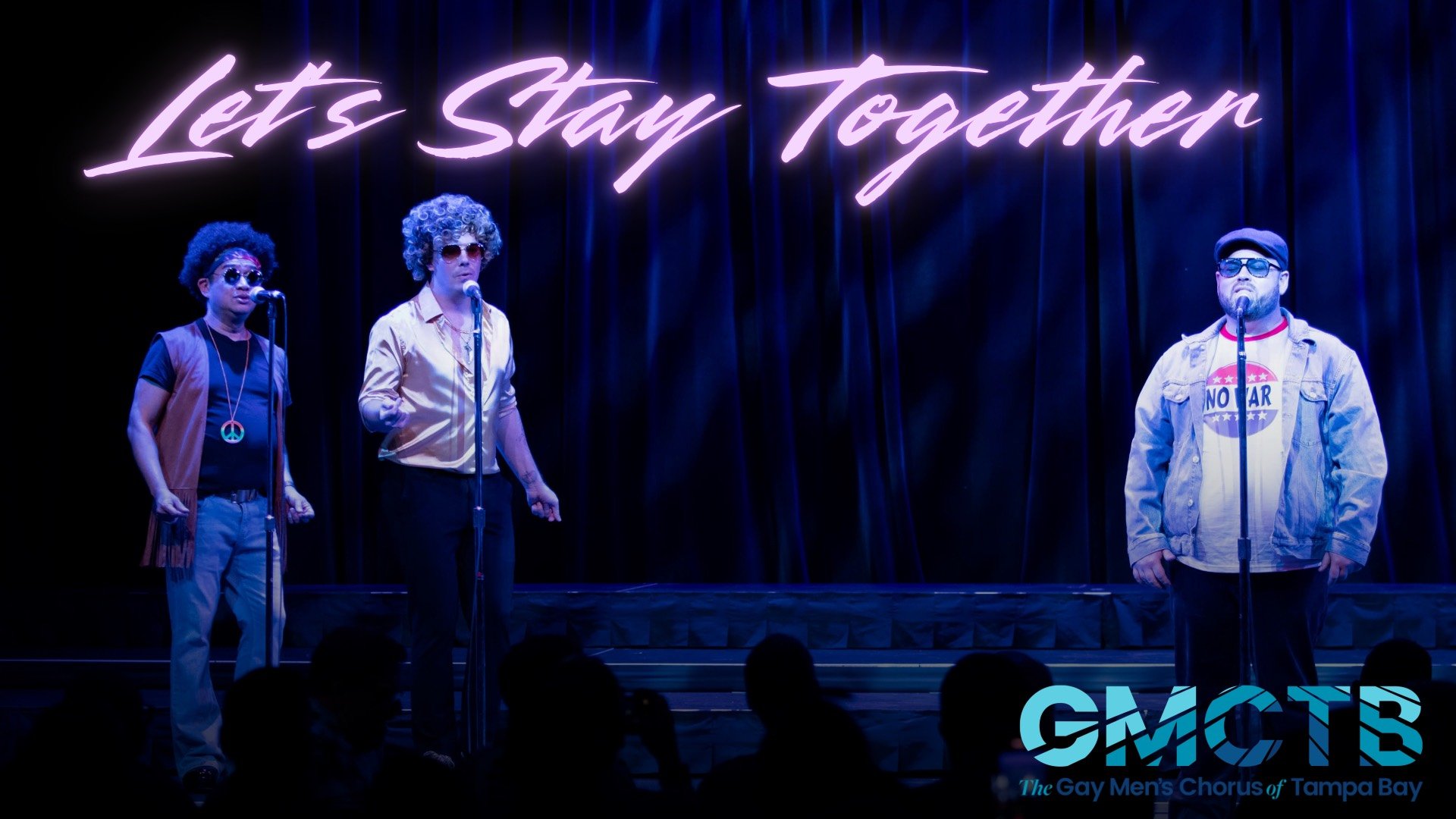
Let's Stay Together
Smith approached the song with the right combination of restraint and warmth. He opened with a smooth, easy lead that immediately settled the room, his phrasing relaxed and rhythmically aware. As the song unfolded, Beckett and Omila entered behind him with backup vocals that framed the lead without crowding it — Omila's baritone color adding harmonic depth underneath, Beckett rounding out the texture with a third voice that completed the song's signature soul-trio feel.
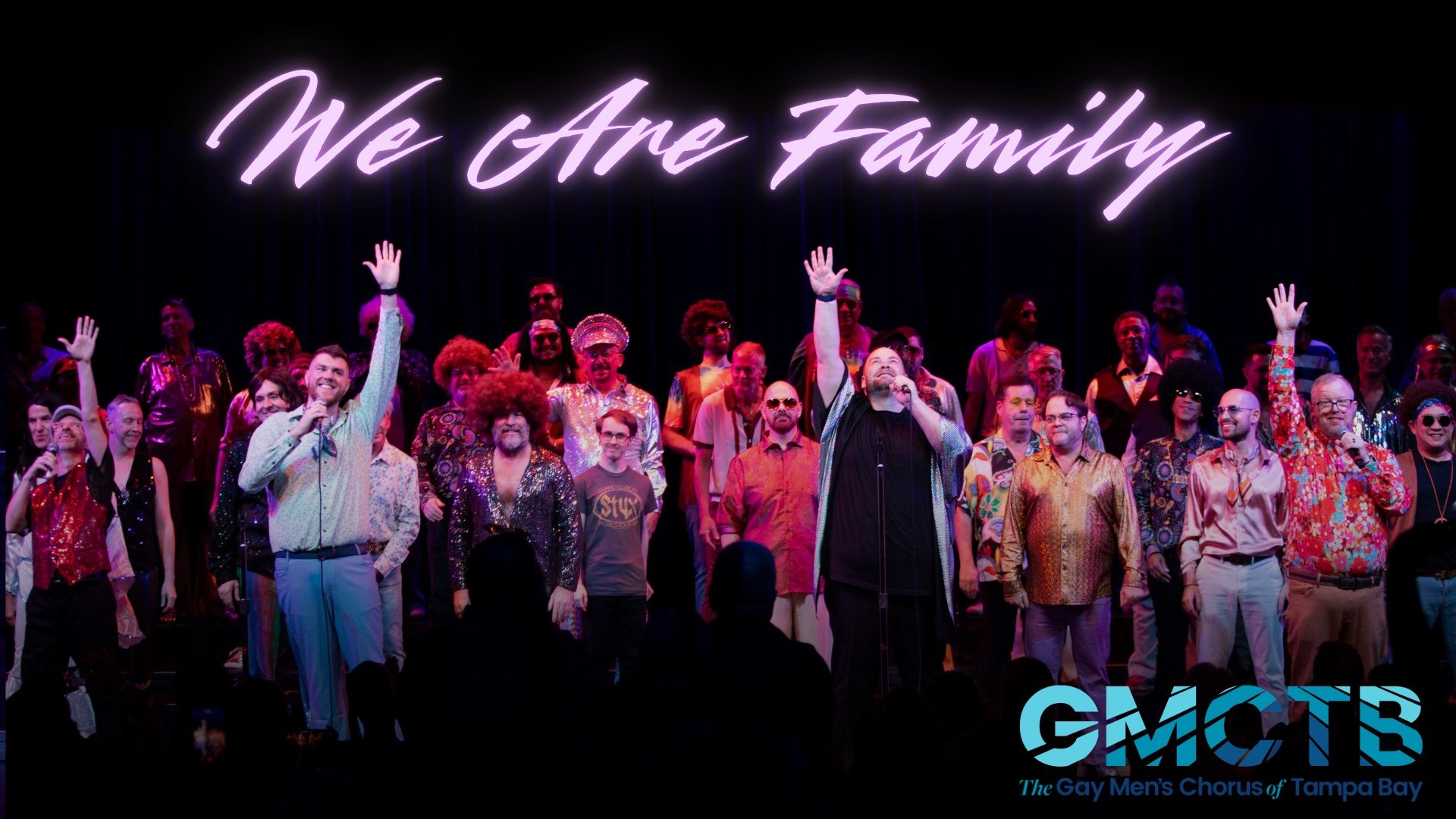
We Are Family
The four featured singers traded leads with easy chemistry. Hession's bright, confident lead set the tone; Nicholas added warmth and lift; Lucas carried the song's higher passages with clean precision; and Cummings, stepping out from the conductor's role, brought a generous, communicative presence that gave the performance an almost benedictory quality. Their interplay on the famous "I got all my sisters with me" tag was joyful and unforced.
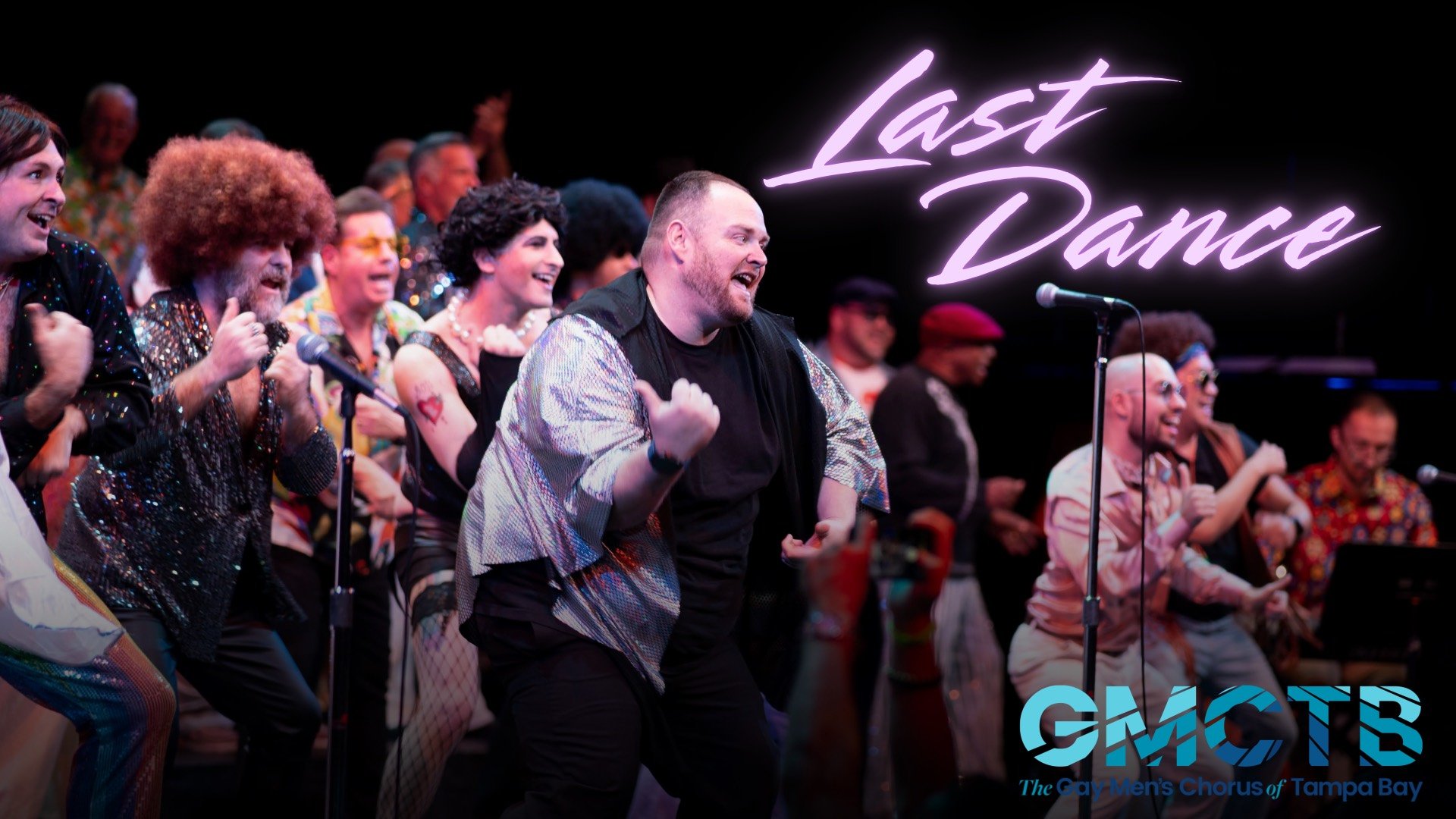
Last Dance
The chorus delivered the famous "Last dance, last chance for love" hook with crystalline precision, the harmonies stacked tight and the rhythmic articulation crisp enough to register every syllable. The dynamic build through the final choruses was carefully paced — each repetition raising the stakes without losing the song's ecstatic clarity. Bodo's drumming drove the disco pulse with unflagging energy, while Pozenatto's keys handled the famous string-and-piano hooks with bright, percussive joy.